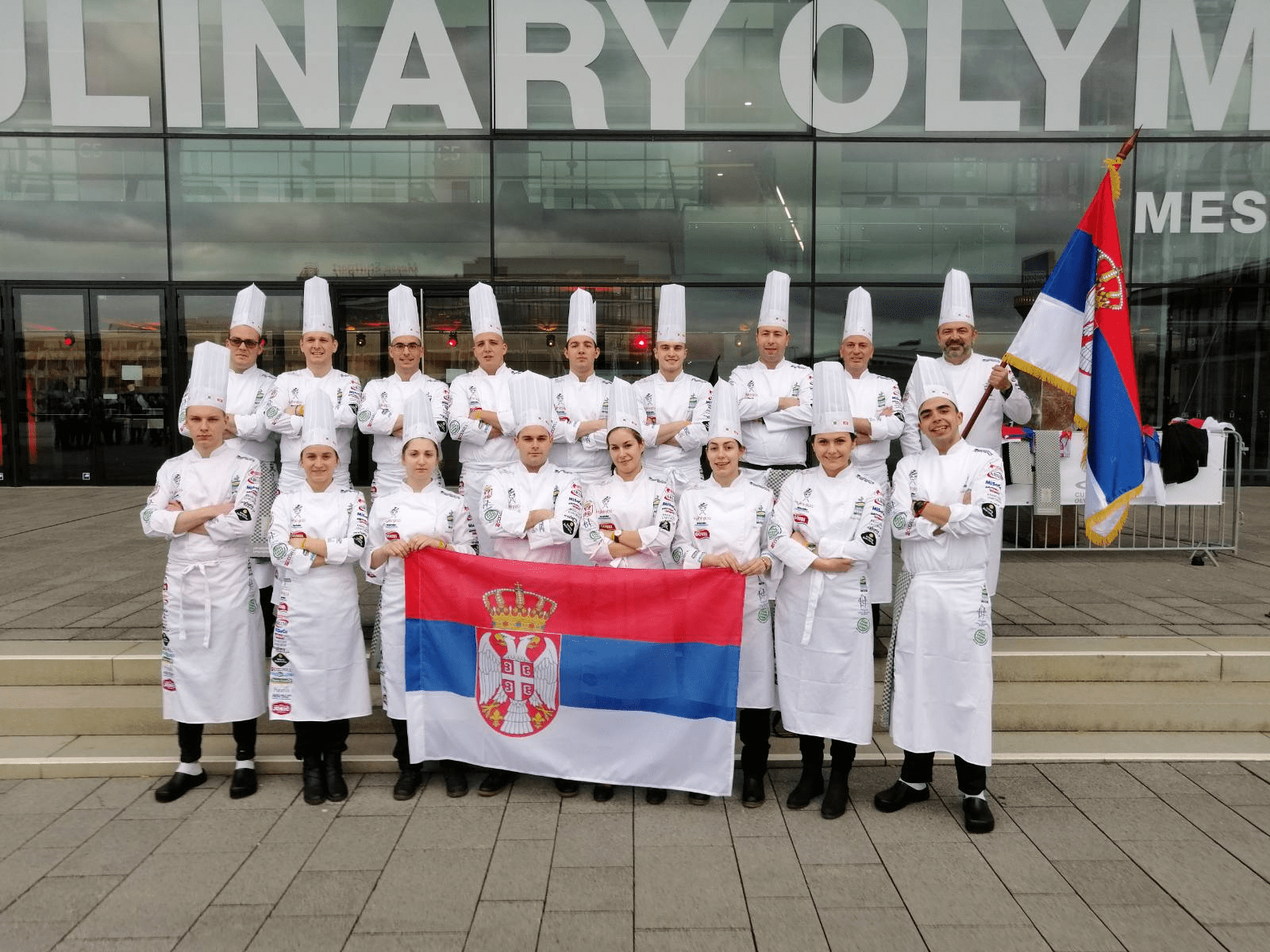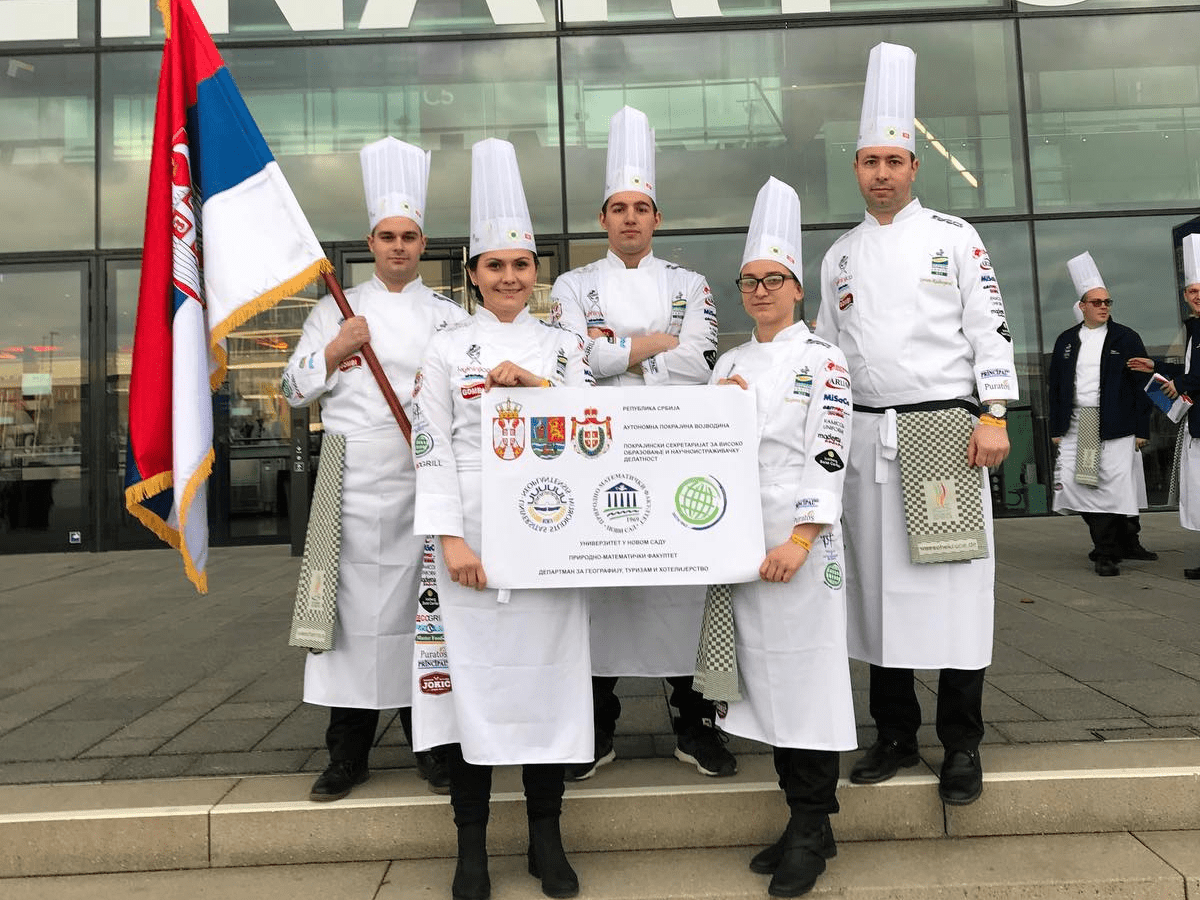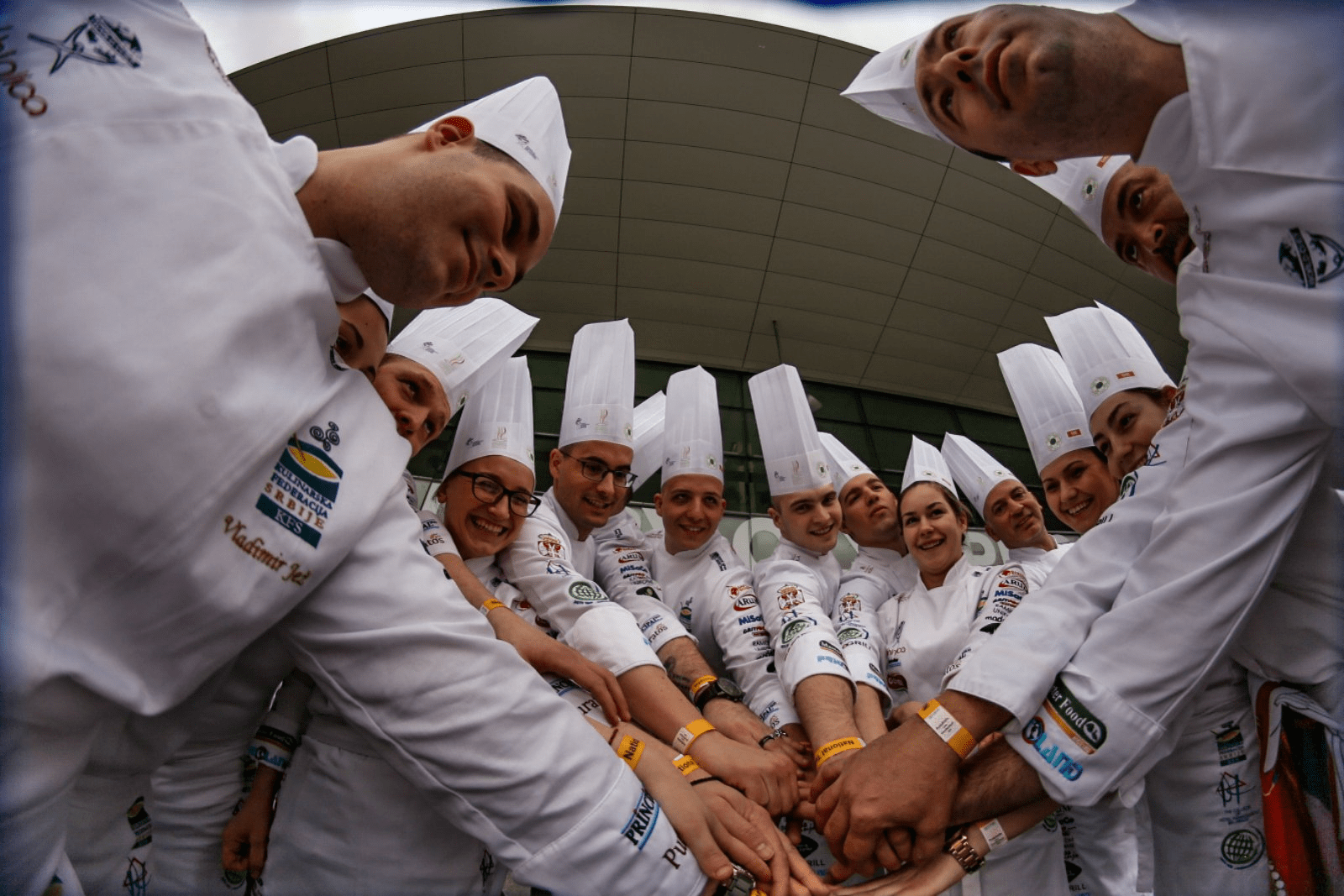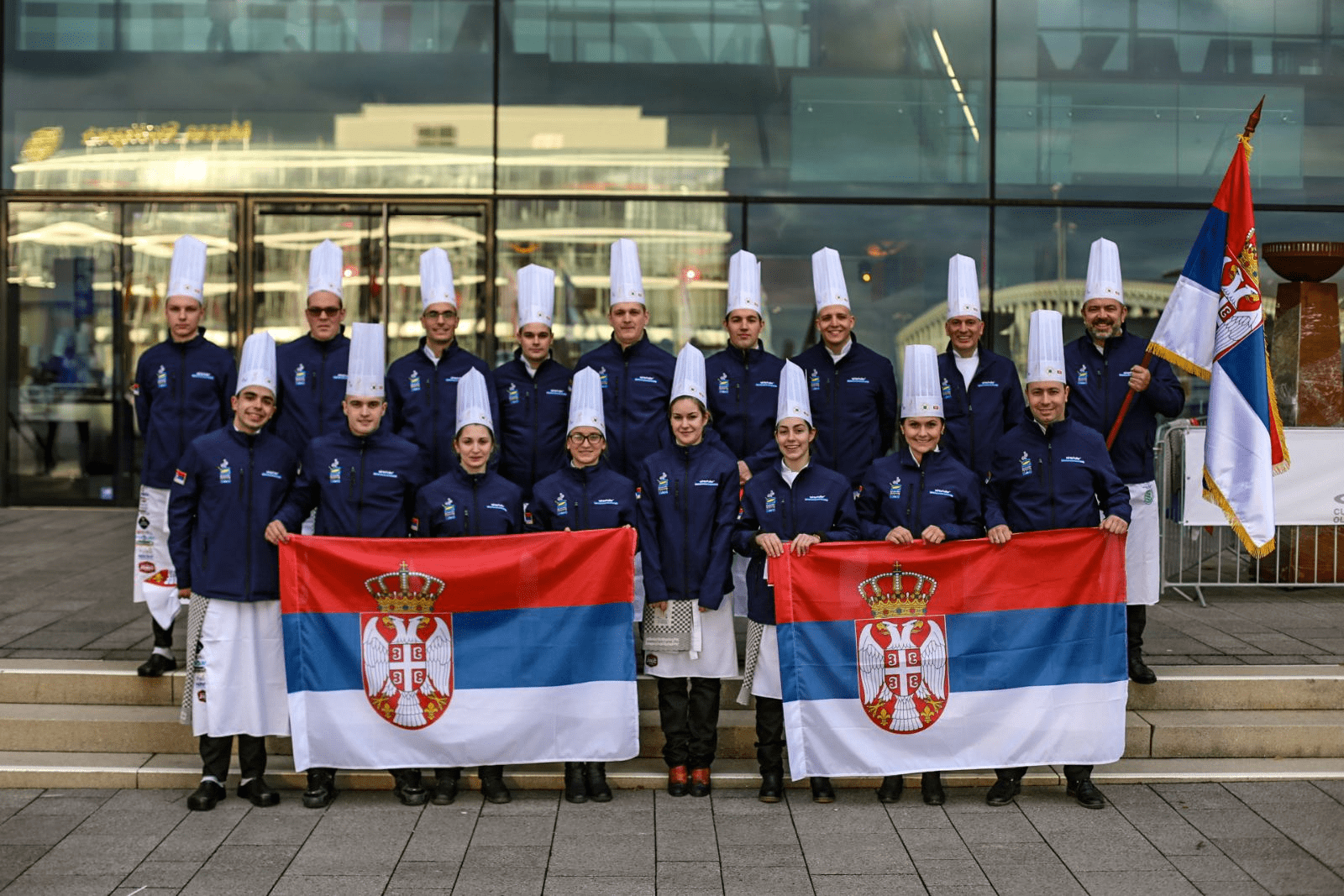

Three Students of Gastronomy from the Faculty of Sciences won the Bronze Medal as Members of the Serbian National Team at the Culinary Olympics in Stuttgart

The students and lecturers of the Chair of Gastronomy, Department of Geography, Tourism and Hotel Management, Faculty of Sciences, are the members and leaders of the professional association of the Culinary Federation of Serbia (CFS), whose main objective is the development of the gastronomic profession in the country and the region. This year, for the first time, CFS sent their national junior team to take part in the Culinary Olympics of IKA 2020, one of the most important international competitions, held in Stuttgart, Germany, from February 14 to 19, 2020.

Our national team was proudly represented by 11 members up to the age of 23, consisting of hardworking, ambitious and young, dedicated chefs from various hospitality establishments in Serbia as well as gastronomy students, including 3 gastronomy students from the Faculty of Sciences:

  • Dušan Grujić;
  • Vladimir Jež and
  • Tatjana Bodvaji.

They underwent rigorous training at the Faculty of Sciences where they had trained intensively for more than 6 months together with their lecturers, mentors and colleagues. At the competition they were accompanied and supported by the teaching assistant Maja Banjac and skills teacher Goran Radivojević. In addition to the great support from their faculty, the Provincial Secretariat for Higher Education and Research also helped them in this endeavour.

The prestigious IKA 2020 World Culinary Competition is the largest culinary competition that gathers over 2,000 chefs from more than 59 countries, and has been visited by some 28,000 visitors. The Olympics involved:

  • 31 national senior teams,
  • 24 national junior teams,
  • 29 regional teams and
  • about 720 more individual categories

from a total of 74 countries.

Meals preparation took place every day in 14 kitchens, which served 1,200 meals, 7 catering teams prepared 840 meals, 6 junior teams presented national buffets and 8 national teams presented their chef tables, with 180 individual categories daily.

Our team competed according to the competition requirements in two disciplines:

  • National Restaurant, for which it was awarded a bronze medal and
  • IKA Buffet, for which it received a diploma with enough points to win the 4th place.

National Restaurant is a discipline where chefs prepare a menu of three courses (starter, main course, dessert) for 60 people, within an interval of 5 hours of pre-preparation and 2 hours of preparation and serving, at an à la carte restaurant.

The IKA Buffet is a discipline in which hot and cold, savoury snacks for 12 people are prepared and served, along with the prescribed meals based on rabbit meat, and dessert.

They evaluated teamwork, discipline, professionalism, precision, creativity, application of modern techniques and equipment, sanitation and safety at work, presentation of dishes and, of course, sensory characteristics of the dishes, which carried the most points. This was accompanied by the constant supervision of highly respected and professional WASC judges such as: Uwe Staiger (Germany); Adrian Bader (Switzerland); Carlo Sauber (Luxembourg); Domico Maggi (Italy); Rick Stephen (Singapore) and many others.

Welcome meeting for Erasmus+ students

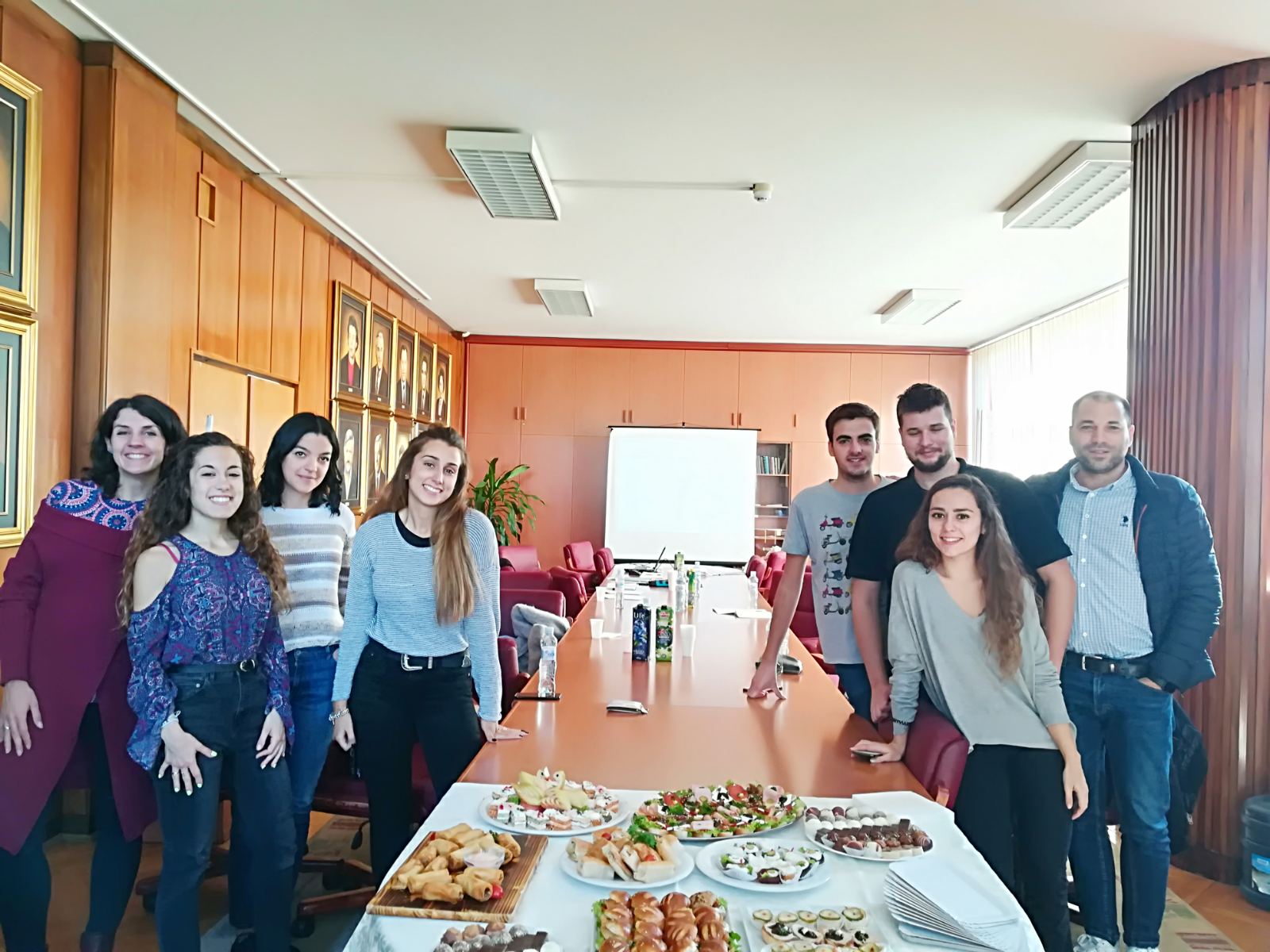
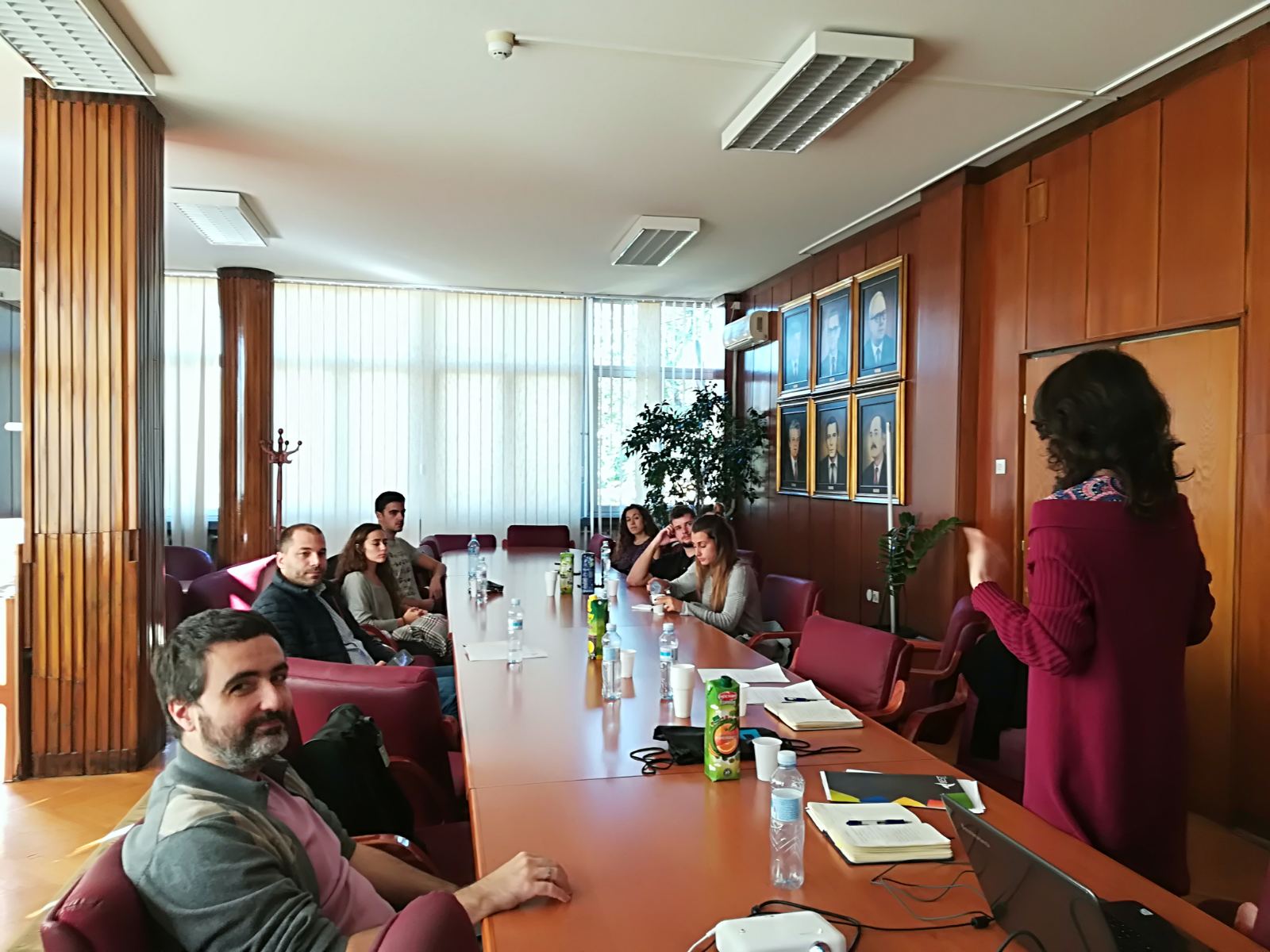
International Relations Office organised the Welcome meeting for incoming Erasmus+ students on Friday, November 1st 2019 at the Faculty of Sciences.

Erasmus+ students were welcomed by prof. Srđan Rončević, Vice Dean for Science, International Cooperation and Development and Gordana Vlahović, Head of International Affairs. During the meeting, Ivana Pejović, International Relations Officer gave a presentation about the Faculty of Sciences and other practical information related to student life in Novi Sad. Erasmus+ students shared their first impressions about studying in Novi Sad and also had the opportunity to chat with Erasmus+ coordinators in a non-formal atmosphere.

This winter semester the Faculty of Sciences has received 6 students from Spain, 1 student from the Czech Republic and 1 student from Austria within Erasmus+ Programme.


Visit of Colleagues From the University of Eastern Finland

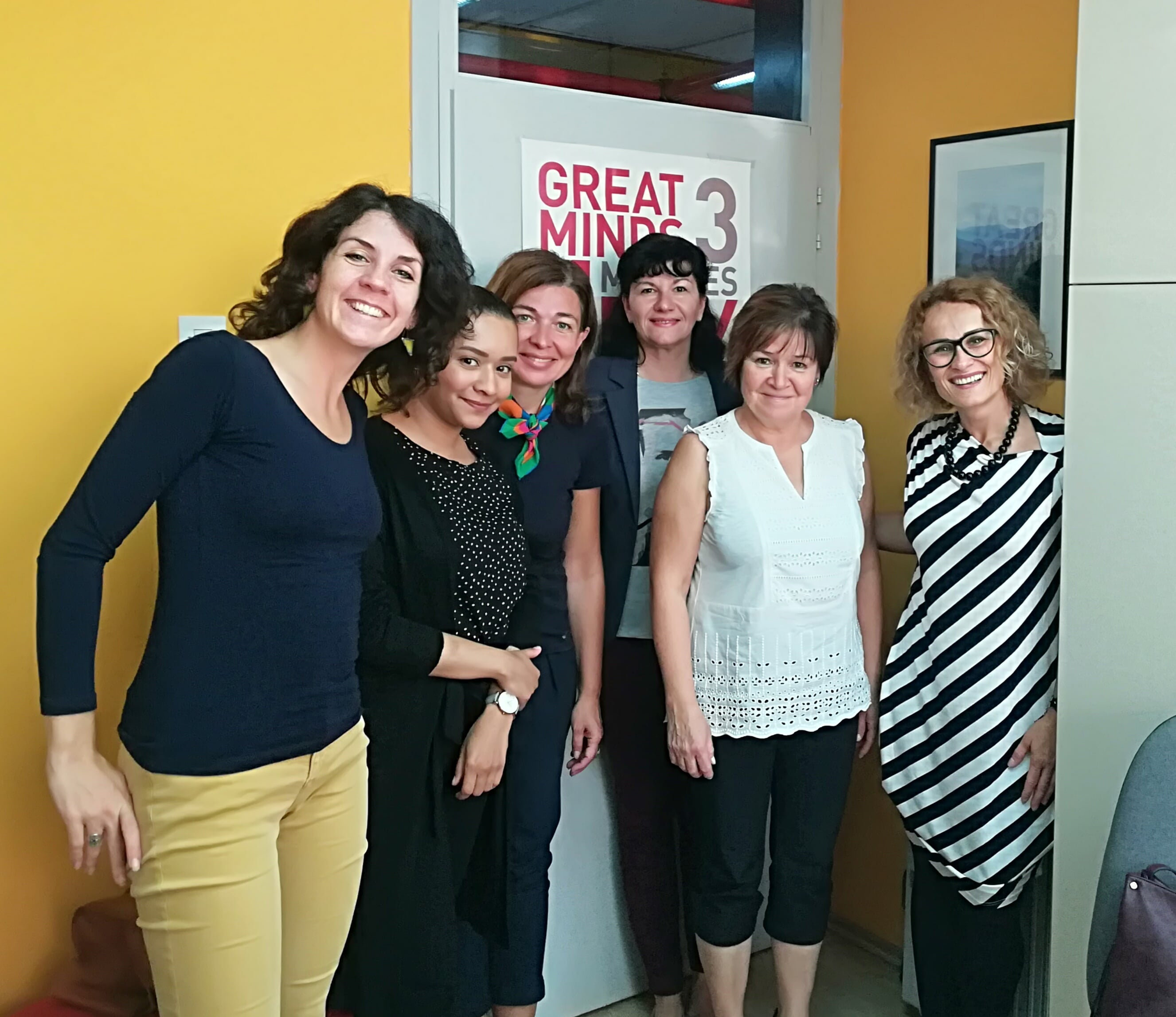
Prof. Dr. Ritva Kantelinen and Zinab Elgundi, PhD student from the School of Applied Educational Science and Teacher Education of the University of Eastern Finland visited the Faculty of Sciences University of Novi Sad from 14th until 18th October 2019. The visit was organized as part of the international cooperation within the Erasmus+ Programme.
The guests were welcomed and hosted by professors Dr. Ljiljana Knezevic, Dragana Vukovic Vojnovic and Stanka Radojcic from the Centre for Languages for Specific Purposes. During the visit Ritva and Zinab gave lectures to local students about the Finish educational system and language education. In addition, the purpose of the visit was to extend and improve the cooperation in the field of foreign language education.

On last day of their visits colleagues from Finland had a meeting with the International Relations Office of the Faculty of Sciences in order to discuss about possibilities to enhance the cooperation and implement further joint activities. Many good ideas have been shared and the new calls for projects were identified. Looking forward to continuation this excellent collaboration with UEF!

Winning the 1st place in the Open Innovation Challenge competition

The Demo Day of the Second Cycle of Open Innovations Lab of the DA-SPACE project was held on April 18th in the Business Incubator, Novi Sad.
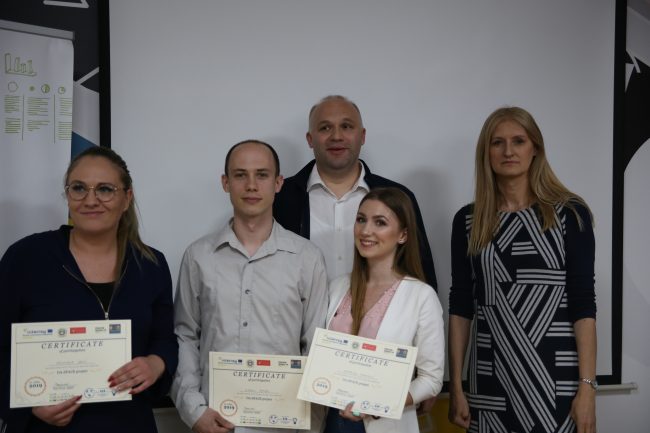
The winning team, Slaven Tenodi, Kristiana Zrnić and Katarina Avramović, all students at the Department of Chemistry, Biochemistry and Environmental Protection under the mentorship of Nenad Grba, a research associate within the International Interreg Project DA-SPACE, won the 1st place among 9 student teams of the University of Novi Sad in the competition of young teams in solving business challenges – Open Innovation Challenge, and won the place for the international competition to be held in Ulm, Germany from May 13th to May 17th 2019. The topic of the winning team was Water and Energy Efficiency for Better Industry (WE2I).

The competition was organized by the Vojvodina ICT Cluster, University of Novi Sad and the Provincial Secretariat of Finance. The project was supported by the European Union (ERDF, IPA, ENI).

Gastronomy students returned with the awards again

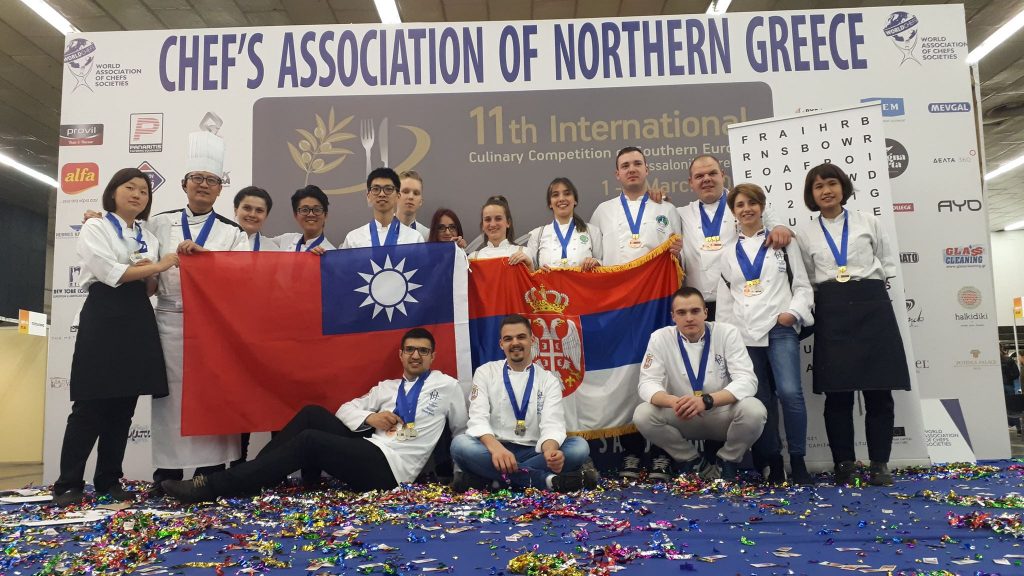
In Thessaloniki, the ‘11th International Culinary Competition of Southern Europe’ was held from March 1st to March 4th as part of the International Tourism Fair, HELEXPO. This is a famous festival which is a part of the calendar of the World Association of Chefs Societies and is organized by the Chefs Association of Northern Greece and the World Association of Chefs Societies (WACS).

Our team from the Department of Geography, Tourism and Hotel Management, the Faculty of Sciences in Novi Sad, achieved outstanding results – three medals and one certificate of merit. Danica Rinčić won a silver medal in the pasta category, Aleksandra Dimitrijevic won a bronze medal in the risotto category, Miloš Kuzmanović won a bronze medal in the risotto category, and Tatjana Bodvoji won a junior merit award in the vegetarian dish category.
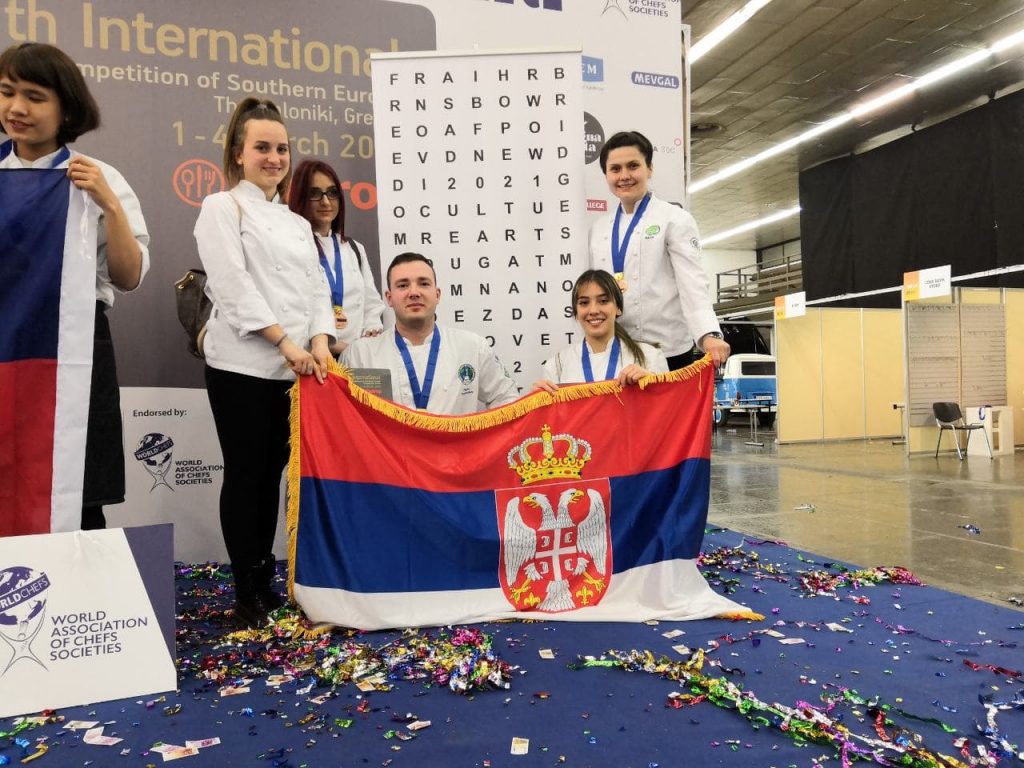
Maja Banjac, Teaching Assistant at the Chair of Gastronomy, won a bronze medal in the senior category – poultry dishes. Maja was the only female contestant in the category, and competed with two national team members and four professional chefs from prestigious catering establishments from Ukraine, Lithuania, Taiwan and Greece.

One of our team’s objectives at the competition was to promote authentic food from Vojvodina. The dishes for the competition were prepared in a modern way from local food products: mangulica (Mangalitza) bacon, wine from Fruska Gora, fungi from Fruska Gora, carrots from Begec, cheese from Sombor, wheat, proso millet. Our gastronomy team’s objective to promote local products at this prestigious competition was supported by the Foundation 2021, Novi Sad – European Capital of Culture. Students were mentored by: Goran Radivojevic, Skills Teacher, Dr Bojana Kalenjuk, Assistant Professor and Maja Banjac, Teaching Assistant.
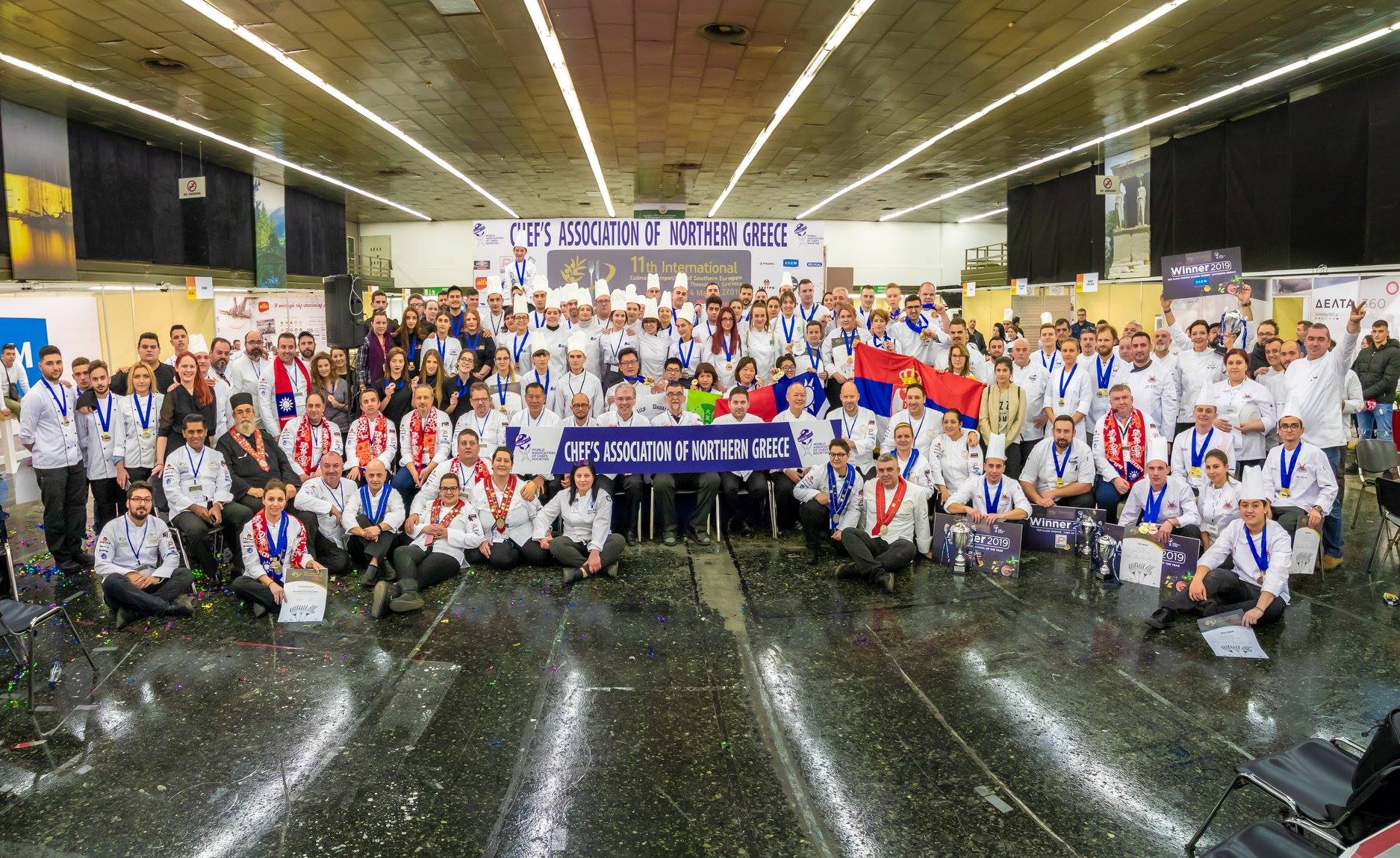
There were over 2,000 contestants from 29 countries at the competition. The judges were renowned, well-known in the world, with the highest judging licences given by the World Association of Chefs Societies (WACS): Roberto Beltramini (Luxembourg), Tony Chang (Taiwan), Victor Orn Andresson (Ireland), Eric Wong (Singapore), Thomas Kuster (Switzerland), Svetlana Riskova (Latvia), Joachim Mueller (Sweden), Nikolas Konstantinou (Cyprus), Nikolaj Crump (Denmark), Georg Wallig (Germany), Marco P. Bruschweiler (Switzerland, Thailand) and Argiro Barbarigou (Greece). On behalf of the World Association of Chefs Societies (WACS), in addition to the mentioned distinguished members, there was the President of WACS Thomas Gugler.

G-BiKE: European network of scientists for integrating genomic information into ecosystem management

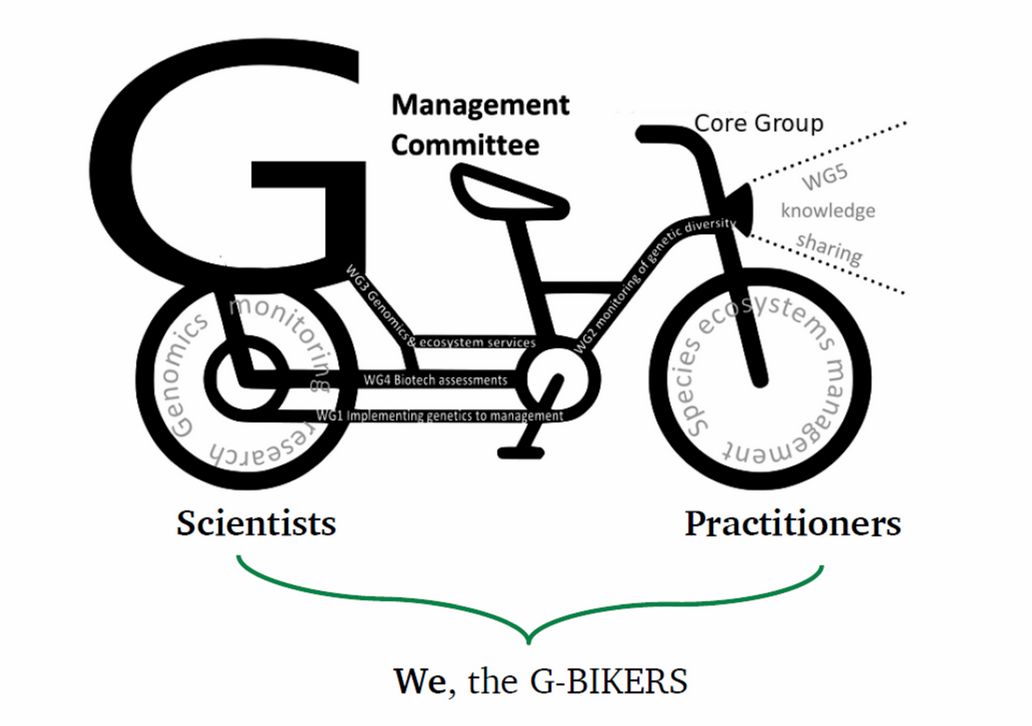
A project with an interesting acronym – G-BiKE, COST Action Genomic Blodiversity Knowledge for Resilient, is a newly funded project of the European Union with the aim to connect scientists, managers and users of natural wealth across Europe in order to emphasize the importance of applying scientific knowledge of genetics and genomics in the conservation of plant and animal life.

Although today genetic information can be obtained for most of the organisms, standardisation of the protocols for detecting and monitoring species’ genetic diversity and their adaptive potential is still missing. The main idea of the G-BiKE project is to establish the usage of genomic knowledge as a standard tool in the environmental protection programmes, in order to ensure the persistence of populations and species.

As the acronym of the project alludes to a bicycle, the main idea of the project is to connect two wheels, one symbolising scientists and the other all the practitioners directly involved in the application of ecosystem protection programmes. The project started with a meeting in Brussels attended by 45 scientists from 27 European countries. Serbia was represented by three scientists: Prof Dr Mihajla Djan, full professor at the Faculty of Sciences in Novi Sad, Dr Nevena Velickovic, assistant professor at the Faculty of Sciences in Novi Sad and Dr Srdjan Stojnic, research associate at the Institute of Lowland Forestry and the Environment in Novi Sad.

Scientific programme of the Action is divided in five thematic units which are organized as working groups. The team from Serbia will participate in the working group focusing on the implementation of genetic markers as indicators for monitoring the state of natural populations. The work of this group will result in a unique database including the species of the European continent which are crucial for the development of genetic and genomic markers and the list of areas of special importance for the implementation of environmental protection measures (the areas which are prone to fast changes or which represent cross-border areas of species distribution).

Dr Cristiano Vernesi from Italy was appointed as the Action Chair, and during the first meeting other leaders were appointed, including a representative from Serbia – dr Nevena Velickovic who was appointed as the Science Communication Manager.


Note:

The project was obtained within the COST programme. COST is an intergovernmental framework for European cooperation in the domain of science and technology which opens space for the projects, which have already been financed at the national level and involve at least five institutions from the programme member countries, to be coordinated at the European level. COST programme financially supports the collaboration activities such as organising conferences, seminars, working group meetings, meetings of the executive boards of individual projects within the programme, participation in summer schools, as well as travel expenses for short-term scientific visits.

Positive experiences of the visiting student at the Master Studies of Applied Mathematics

It is our great pleasure that visiting students, such as Greta, can bring home great impressions about the exchange programmes at our Faculty.

My name is Greta Malaspina, I come from Italy and last year I got the opportunity to spend three months at the Department of Mathematics and Informatics of the University of Novi Sad.

During the second year of my Master program in mathematics at the University of Florence, I decided that I would have liked to go abroad for the traineeship period required by my study program, and my advisor of the time informed me of the international agreement between our department and the University of Novi Sad and suggested me to spend a few months at UNS.

Novi Sad is a beautiful and welcoming city, made lively and young by the huge number of students that every year attend its university, and there I found everything that I could have hoped from an exchange program.

At the DMI I worked at my first research-related task, together with passionate professors who introduced me to the problem and guided me through the whole process of developing, studying and testing new ideas. The collaboration continued when I came back to my university and my work at UNS about subsampled spectral methods for unconstrained optimization became the topic of my master thesis.

During my time there I also got the opportunity to participate to some of the many activities organized by the department and to take part into some of the courses from the Data Science study program. Participating to the weekly seminars and the classes, I’ve been introduced to several new topics which gave me the chance to enlarge my perspective over my interests and to greatly increase my knowledge, not only about my specifical field. These activities also allowed me to meet a number of local students, and getting to know their different backgrounds made me develop a new point of view on all the things that I had been studying in the previous years.

I have always been convinced that working in different environments and with different people is of a great importance for the development of a student, and I think that the University of Novi Sad has been for me an ideal place where to have such an experience.

The team of the Faculty of Sciences won the second award for the best business idea in the food sector

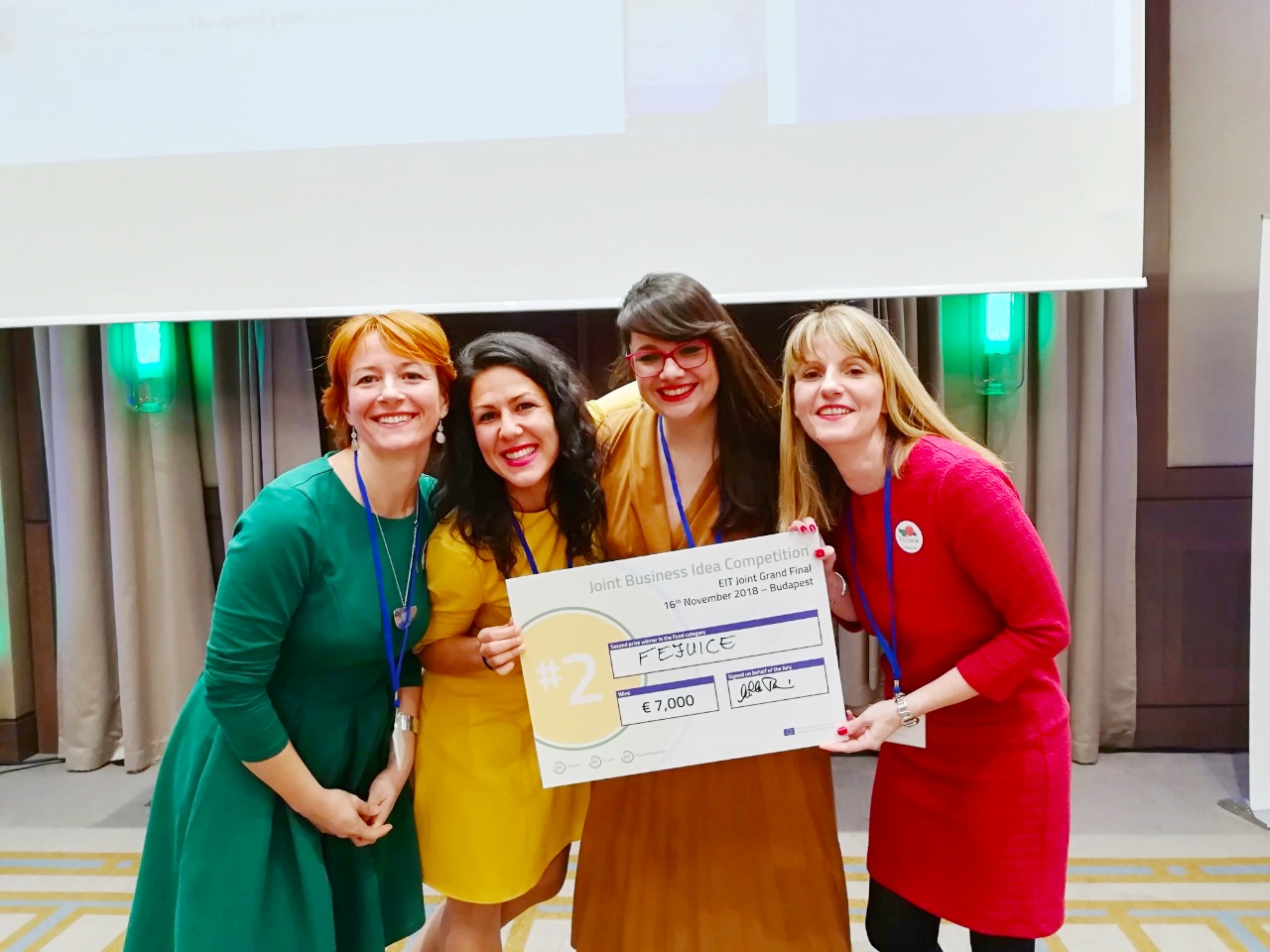
The team of the Faculty of Sciences from Novi Sad, comprising Marija Lesjak, Ivana Beara and Natasa Simin, as well as the entrepreneur Bojana Mumovic Perusko also from Novi Sad, won the second award at the prestigious competition for the best business idea in the food sector organized by the European Institute of Innovation and Technology (EIT).

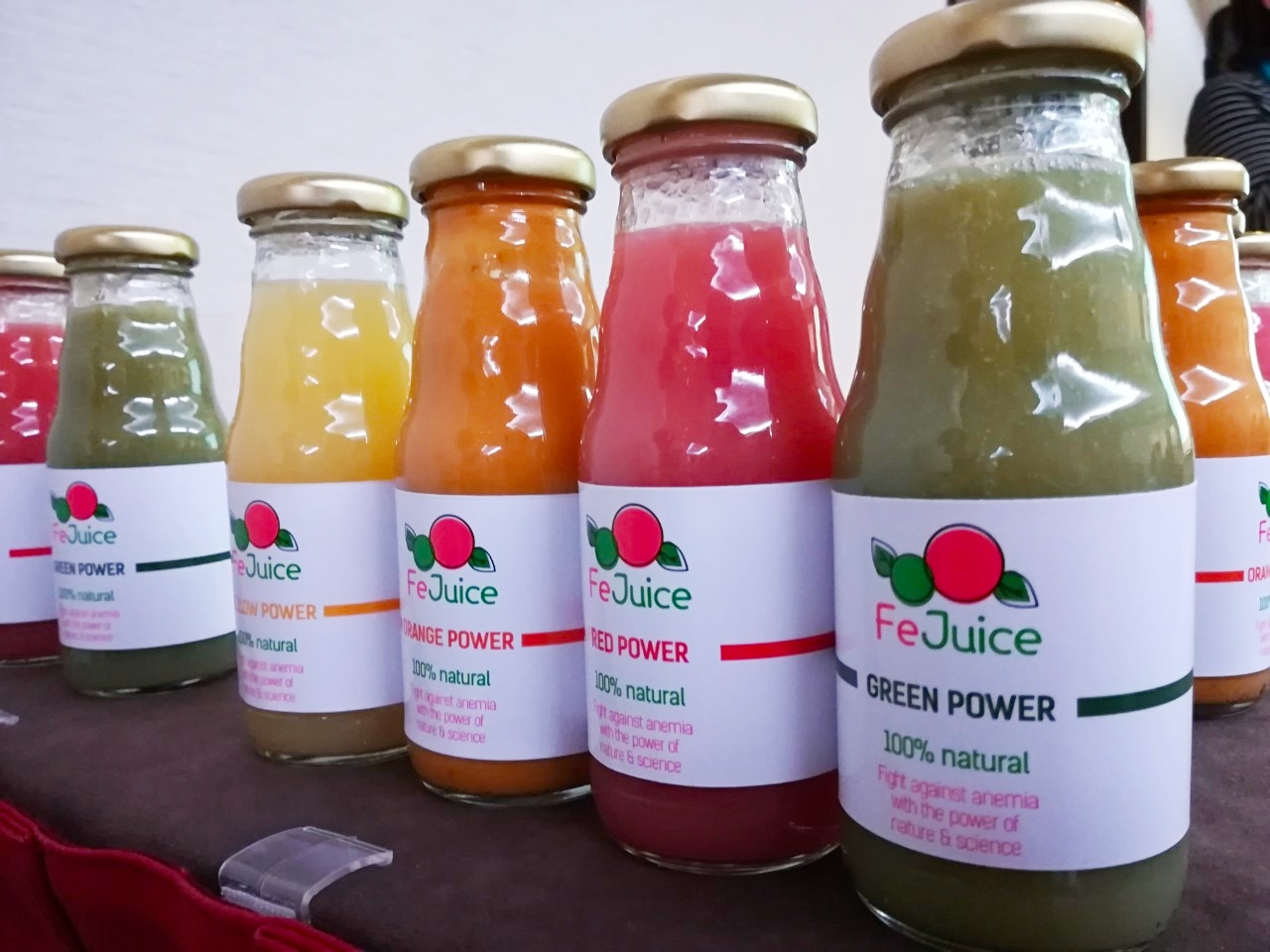
The competition was held on November 16th in Budapest, where, from the initial 75 teams, six best teams competed. The aim of the competition was to present your own innovative business idea in the form of a business plan and a four-minute business pitch to the members of the jury. The team from Novi Sad presented their start-up FeJuice and its innovative product fruit and vegetable juices for the prevention and treatment of anaemia. The idea about FeJuice juices came from the scientific research conducted by the team at the Faculty of Sciences. The jury judged the ideas based on their attractiveness, market demand for the product and team quality and awarded generous prize amounts to the best start-ups as a recognition and an incentive for further development of their business.

The Faculty of Sciences participated as a partner institution in the project financed by the European Commission – the Rearing of Larvae and Adult Diptera (fly) and their Application

A project with an interesting acronym – FLYHIGH and the full title – Insect-plant Relationships: Insights into Biodiversity and New Applications, was the first project of this kind financed at the University of Novi Sad in the period 2015 – 2018. The project gathered researchers, students, laboratory workers and technical staff from the University of Helsinki (Finland), the University of Alicante and the company Bioflytech (Spain), the University of Novi Sad and the company AgriProtein (the Republic of South Africa), who studied the life cycle of insects and plants with the aim of obtaining valuable information in terms of ecology and evolution, which will focus on applied ecological research, such as artificial rearing of flies. Artificial rearing of flies can produce useful end products, because adult members and their larvae can be used in animal feeding, valorisation of agricultural by-products or as bio-agents for pollination services in natural, semi-natural and greenhouse environments.

On the one hand, the project gathered outstanding academic experts in the fields of entomology and ecology, and on the other hand, the experts in mass rearing of insects, which resulted in sharing knowledge and experience and enabled the creation of synergy and advancement in the primary ecological and evolutionary sector, and it also encouraged the development of integrated knowledge and innovative ideas for prospective commercial application in the field of artificial rearing of flies.

In the past few days, a final meeting was held in Alicante, Spain. Young collaborators received training in the field of rearing larval stages of insects which can be used as pollenisers, for organic waste decomposition or for animal or human nutrition. Three young researchers from Serbia (the Faculty of Sciences and the Biosense Institute) underwent the training. It was significant that the project accomplished all that was planned and it also exceeded the plans. In effect, two companies that were involved in the realisation of the project had significantly advanced in the past three years:

  • The AgriProtein Company from the Republic of South Africa, Cape Town received an investment of one million dollars and on account to that established its brand which is now being sold in Saudi Arabia, Israel, Korea, Dubai. Two fly factories are made per month, recycling organic waste and producing several different products, with the annual plan to reach 25 on average in each consecutive year.
  • The BioFlyTech Company from Spain, Alicante concluded final negotiations about a huge investment in millions which will enable their growth and expansion.

Regarding the scientific institutions participating in the project (the Faculty of Sciences, Novi Sad, Zoological Museum in Helsinki and the Department of the Environmental Sciences from Alicante), their scientific results are really impressive. Numerous scientific publications were issued, and a lot more is to come after the results are obtained. Mass greenhouse production of insects as possible pollenisers could be expected as a follow-up to the research and the obtained results.

In conclusion, these are very impressive results with prospective application in our country.