 As of September 1, 2023, the Faculty of Sciences University of Novi Sad officially started the implementation of this scientific research project financed within the EU Program for Research and Innovation ‘Horizon Europe’ (2021-2027) titled ‘Stone Monument Ensembles and the Climate Change Impact’ (STECCI). The project was rated as outstanding by the evaluators of the European Commission and the Horizon Europe Program with 14 out of 15 possible points.
The project will certainly arouse the interest of those who know what ‘stećci’ are, as well as of all those who will be acquainted with this type of medieval tombstones for the first time, getting to know their unique shape and ornamentation, and exceptional cultural and documentary value, rightfully included in the UNESCO List of World Heritage Sites.
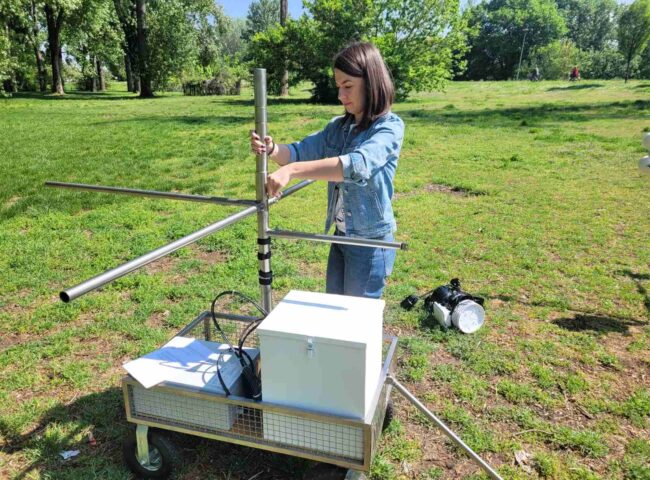
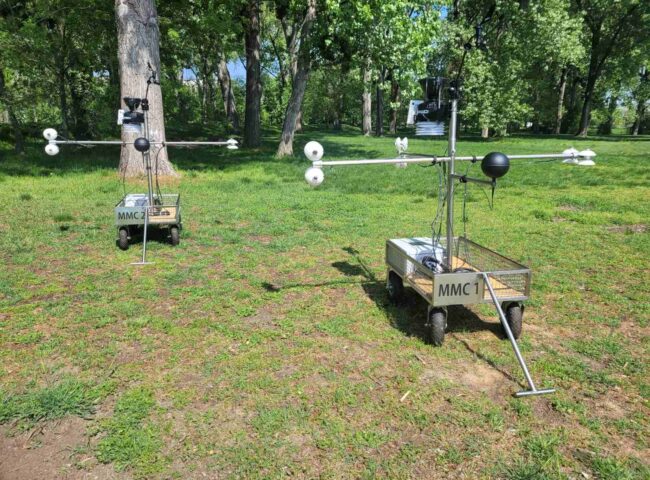
The research topic is very up to date because it is about the climate change impact on cultural heritage monuments, here specifically on ‘stećci’ (medieval tombstones), including anthropogenic threats, environmental threats, neglect of cultural heritage, etc. Furthermore, the research that will be carried out within the project is especially multidisciplinary because it holistically combines different scientific disciplines and expertise. The topic of ‘stećci’ is more than relevant for the geographical coverage of our region, where ‘stećci’ are a unique phenomenon – countries of the Western Balkans, Ex-Yugoslavia countries: predominantly Bosnia and Herzegovina, Serbia, Montenegro, Croatia, while the international partners are from France, Germany, Austria and from Malta.
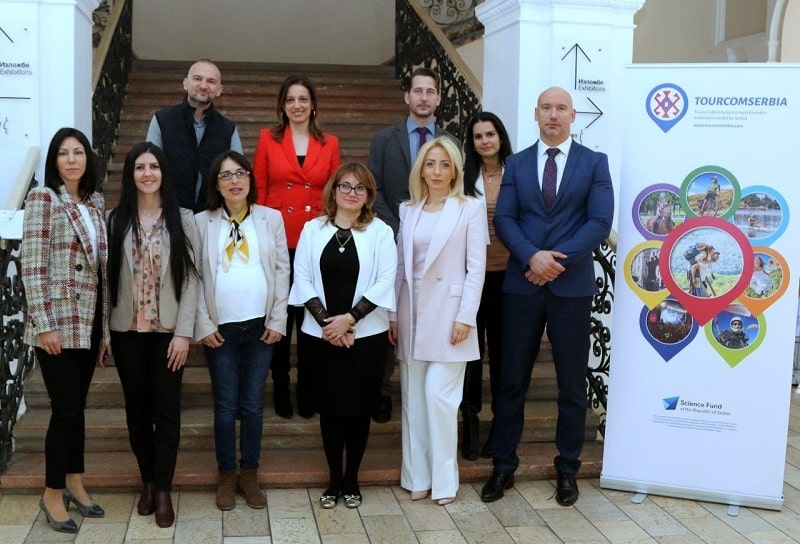
Under the coordination of the University of Sarajevo, UNSPMF is a partner in a very compact international consortium that combines all relevant scientific disciplines: climatology, social sciences, digitization, economics, creative industries, preservation and conservation of cultural heritage applying the newest approaches. The added value of the project is the active involvement of citizens in the project (Citizen Science).
Project duration: September 1, 2023 – August 8, 2027
The project leader at UNSPMF is Prof. Snežana Radulović, Ph.D. from the Department of Biology and Ecology, and the wider team of researchers including almost all departments of UNSPMF: Department of Geography, Tourism and Hotel Management, Department of Physics, Office for International Cooperation and Projects, which is an excellent example of interdisciplinary cooperation at the Faculty itself.
The role of researchers from UNSPMF is twofold – in addition to the relevant research contribution, UNSPMF is in charge of a unique work package called “Dissemination, communication and exploitation of project results”, which is an added value of participating in the project, bearing in mind how important scientific communication and raising awareness of the significance of this project is – both among professionals and the general public.
 Within the Erasmus+ call KA220-SCH – Cooperation partnerships in school education, the project “Science&Math educational games from preschool to university (SciMag)” was approved.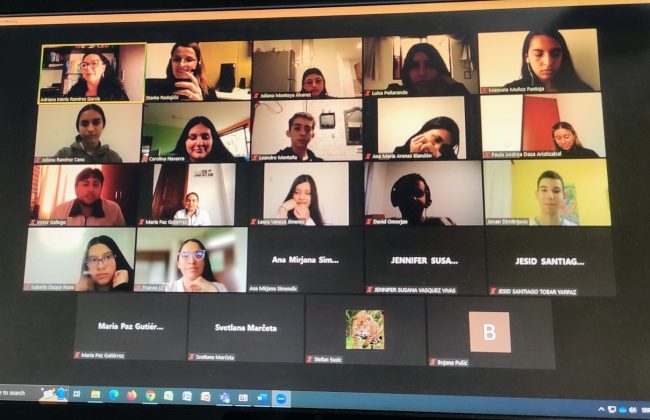
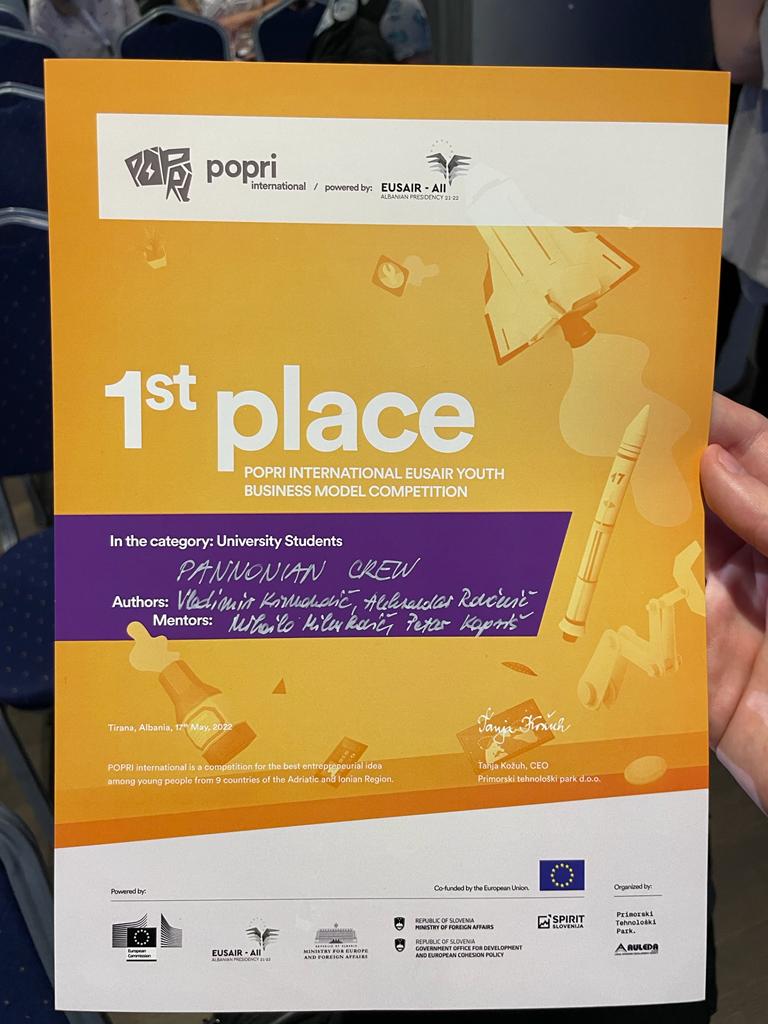
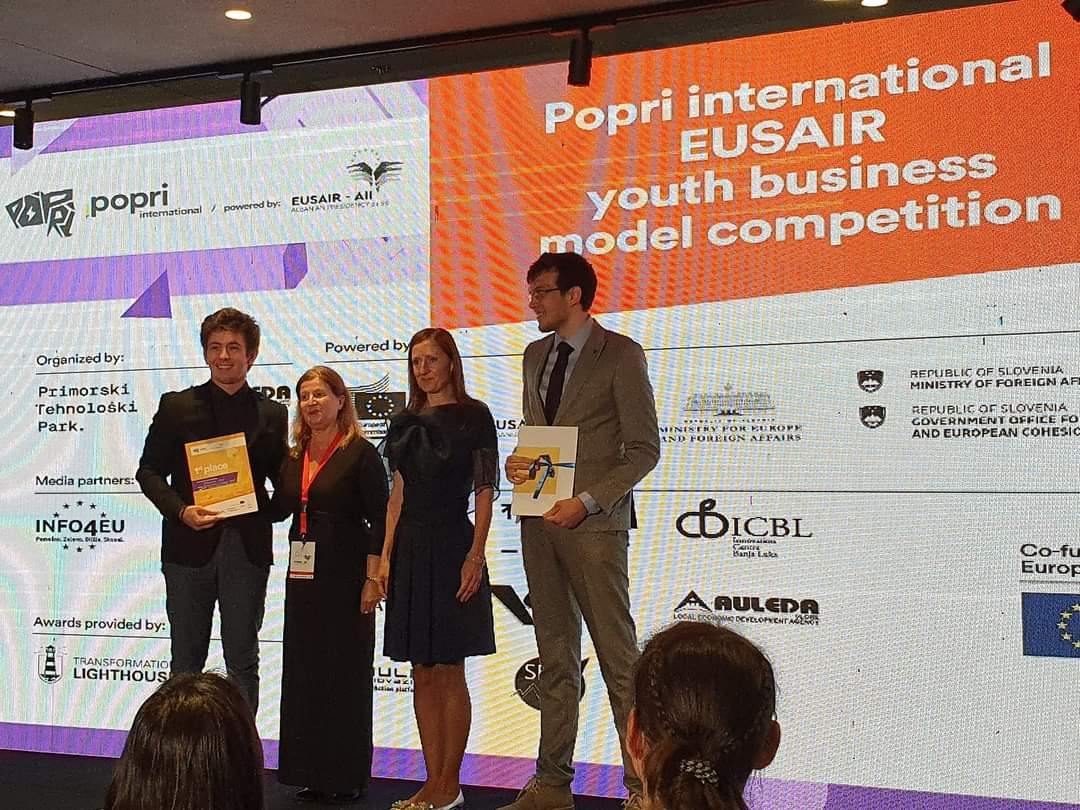 Last year in October, the team from the Faculty of Science “Pannonian Crew”, consisting of Aleksandar Rončević, Mihailo Milenković, Petar Kapriš and Vladimir Krsmanović, all attending Computer Science Program, won the first place in the national competition for best technological innovation in the category of student innovations. They developed the innovation “Lara” – a system for automatic accident detection and rescue of sailors, which consists of hardware and software systems.