Great Success of our Students Andrijana Bilić and Milinko Perić at GESC 2024

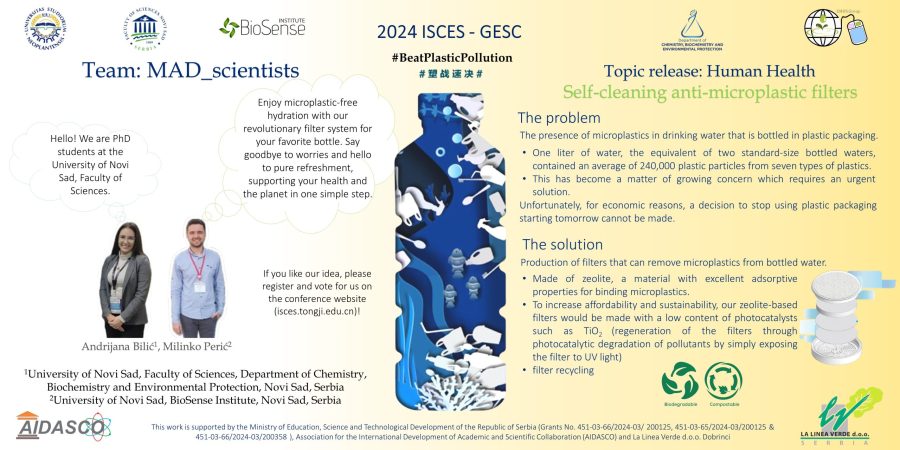
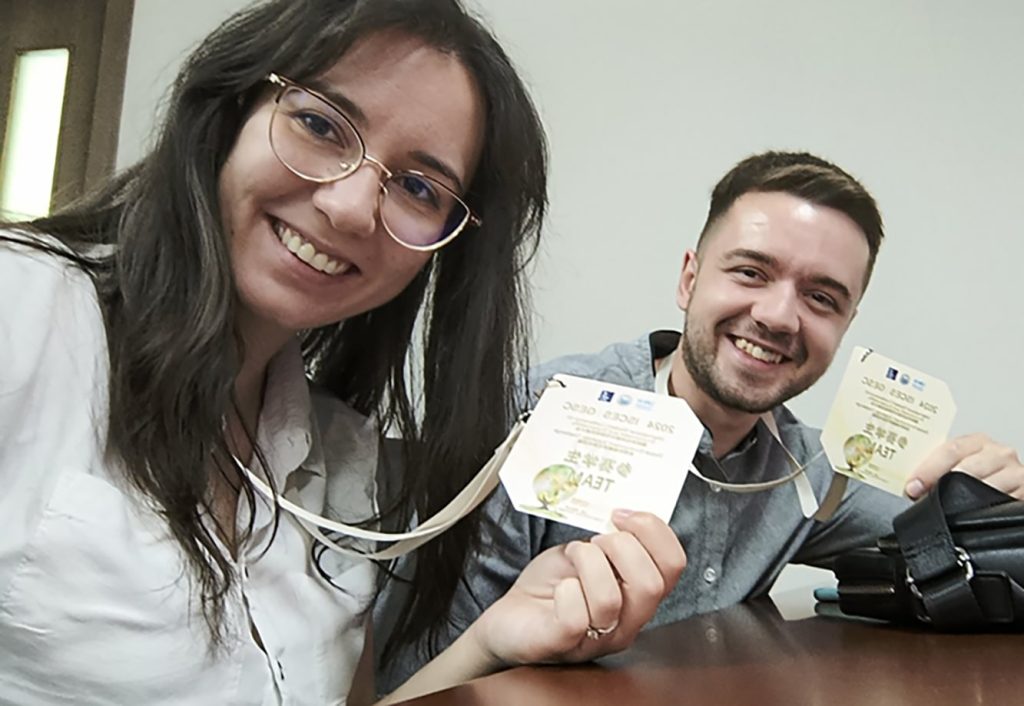
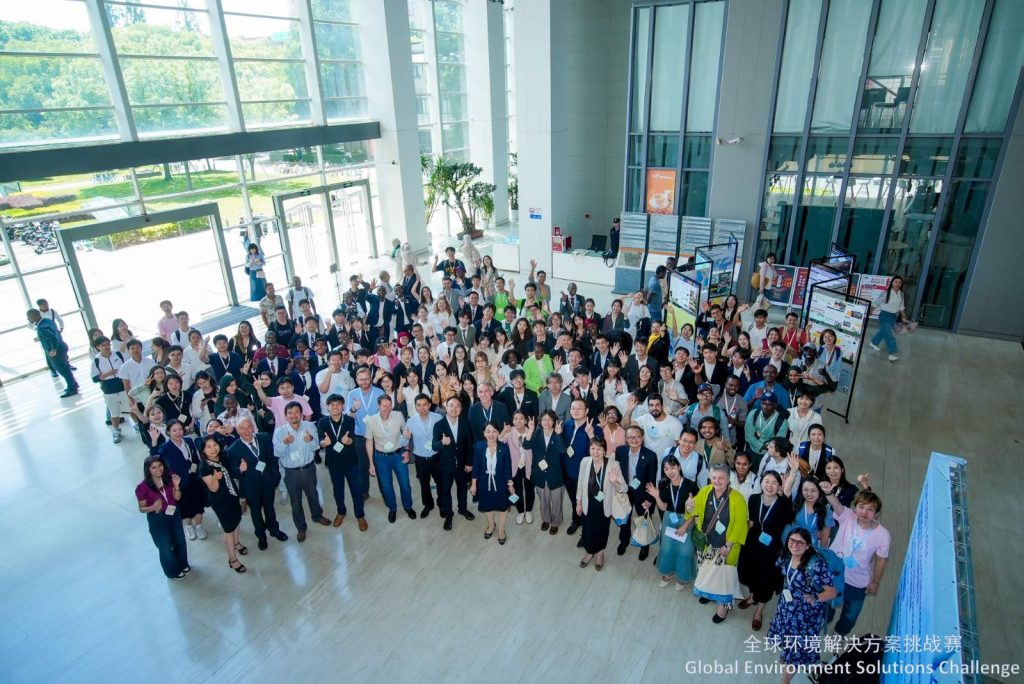
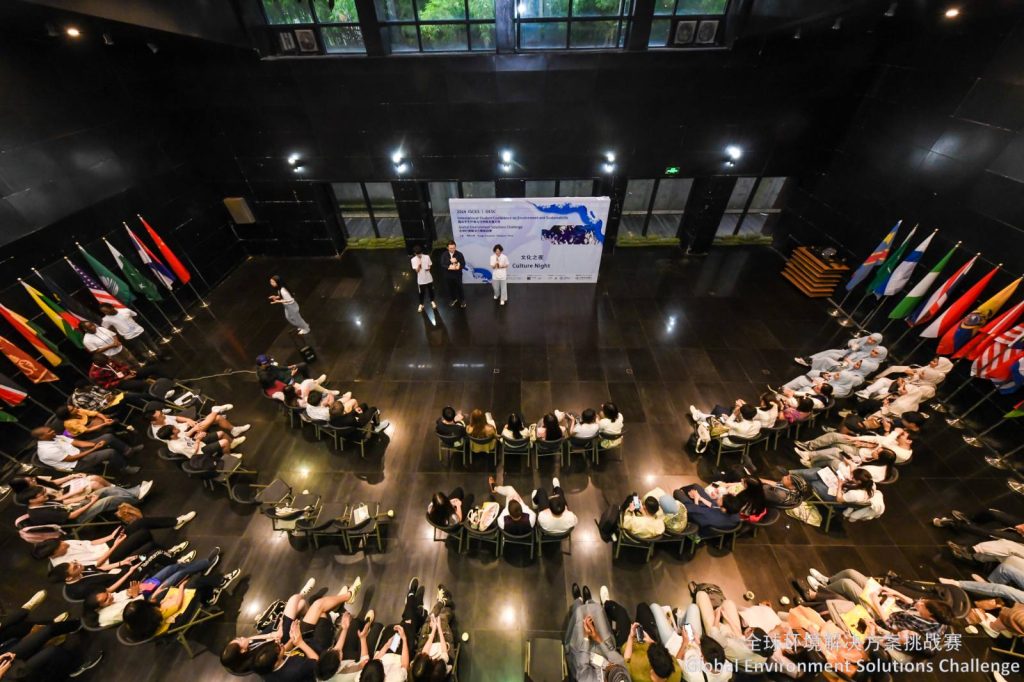
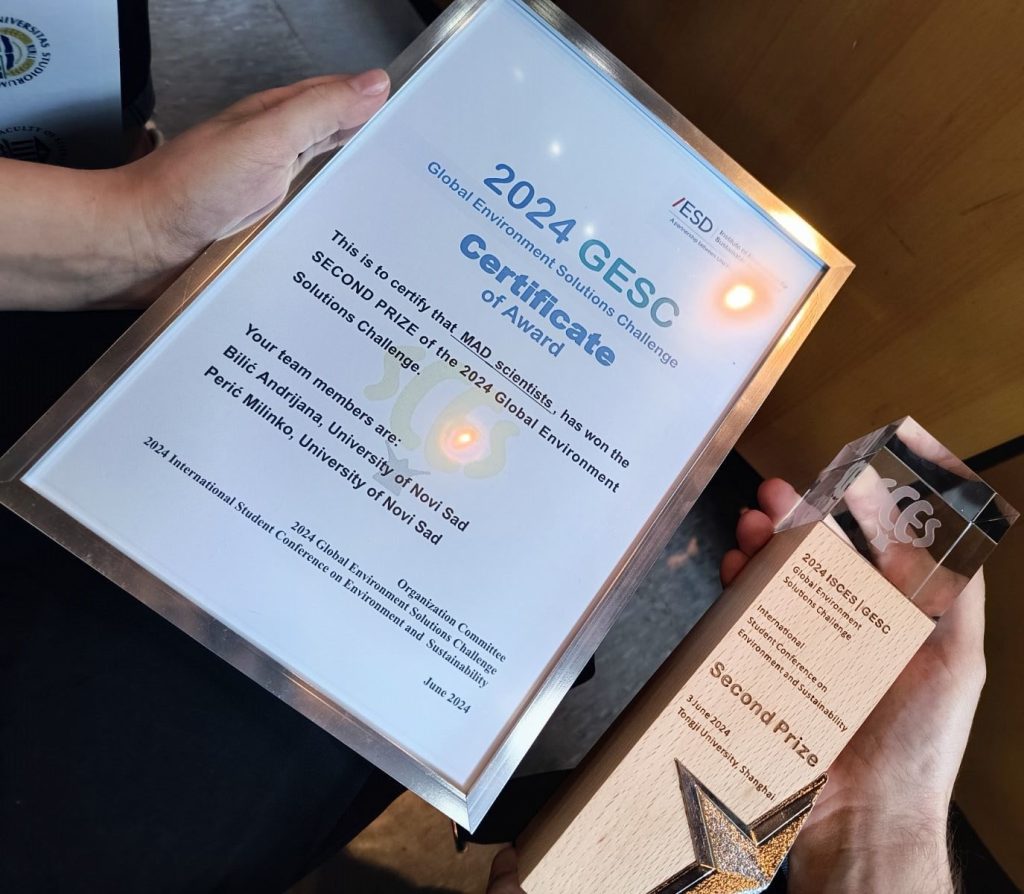
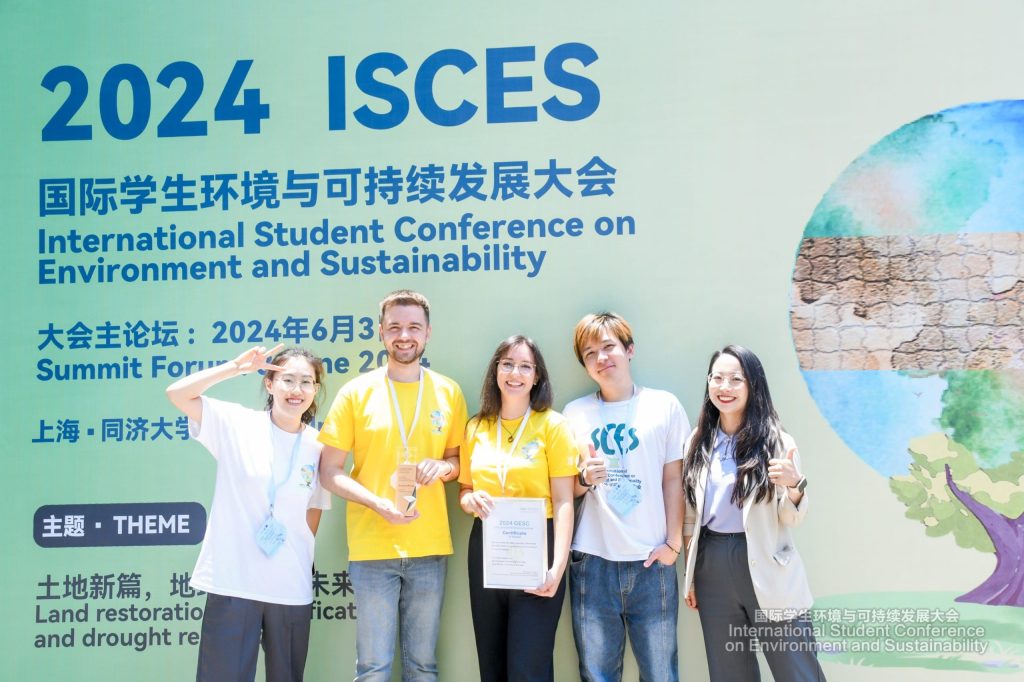
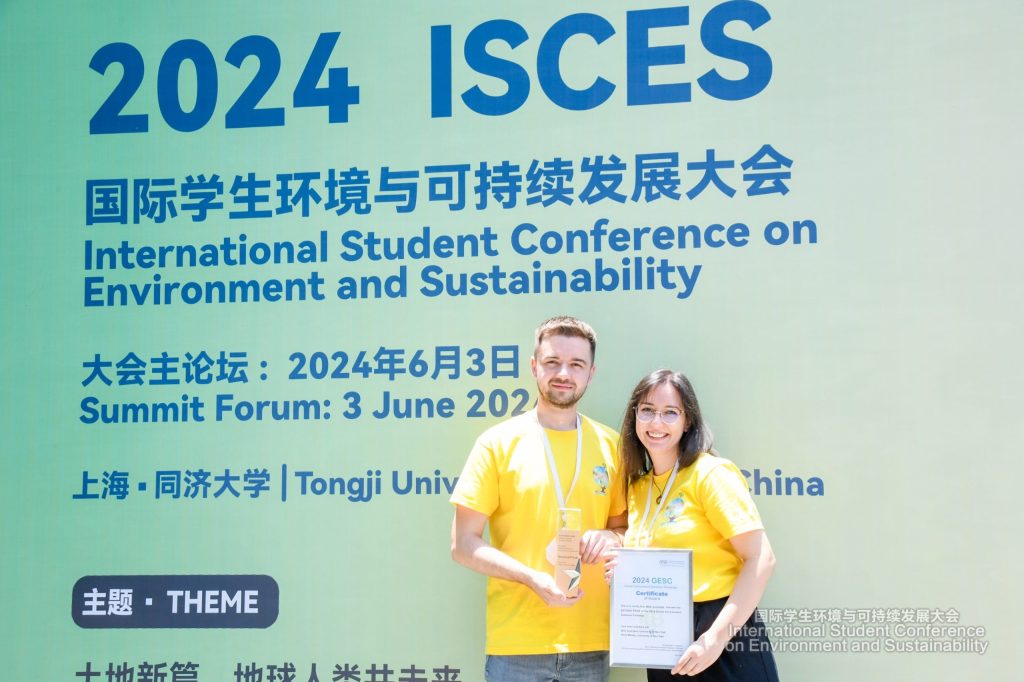
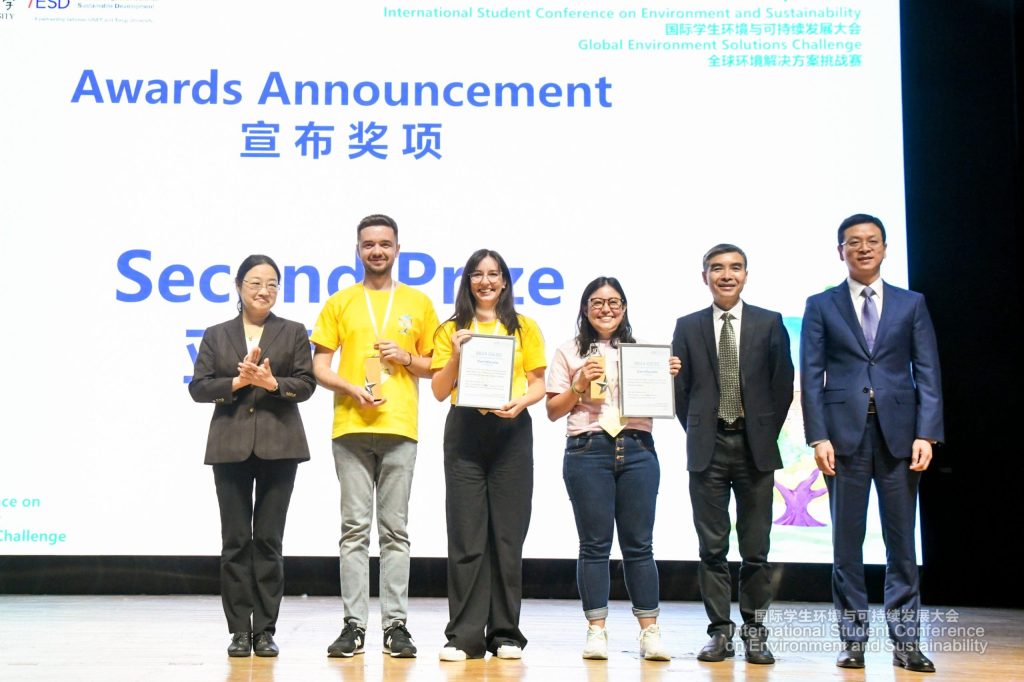
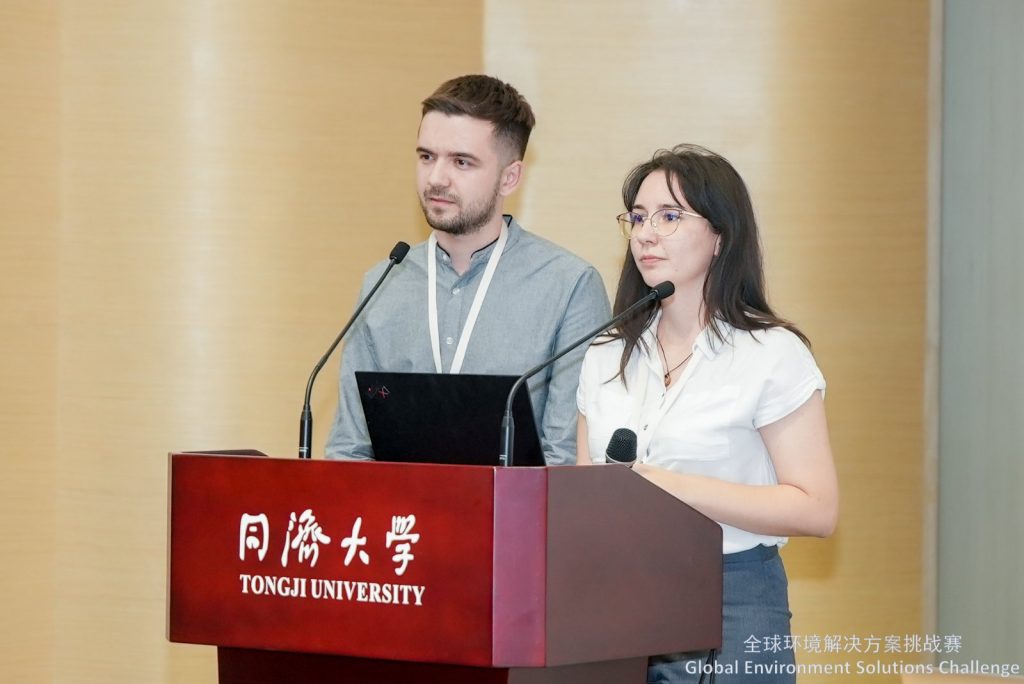
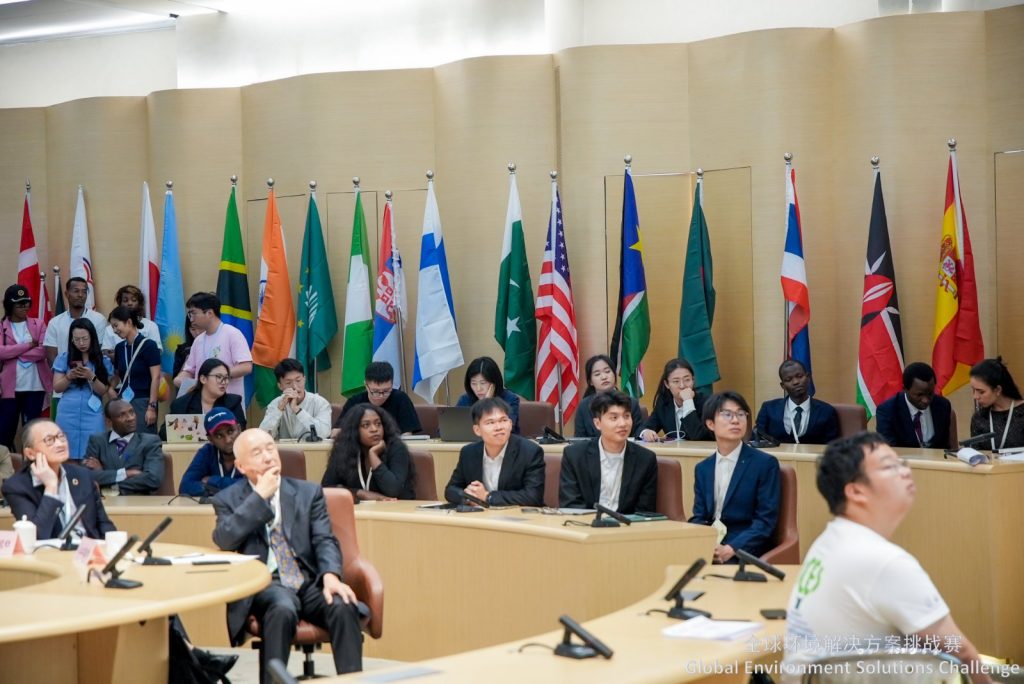
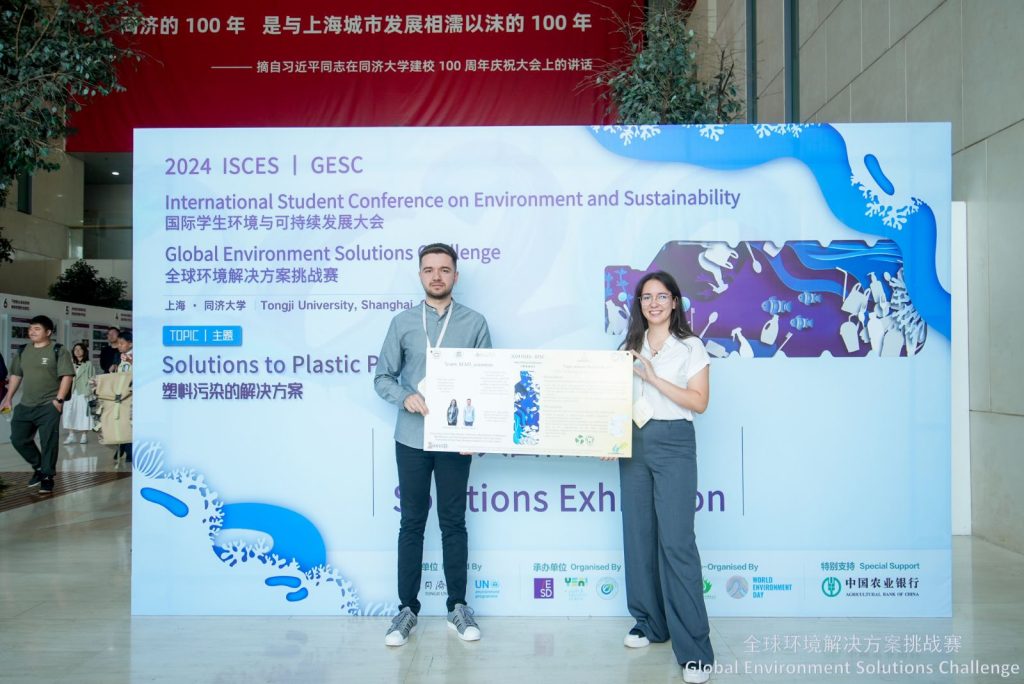
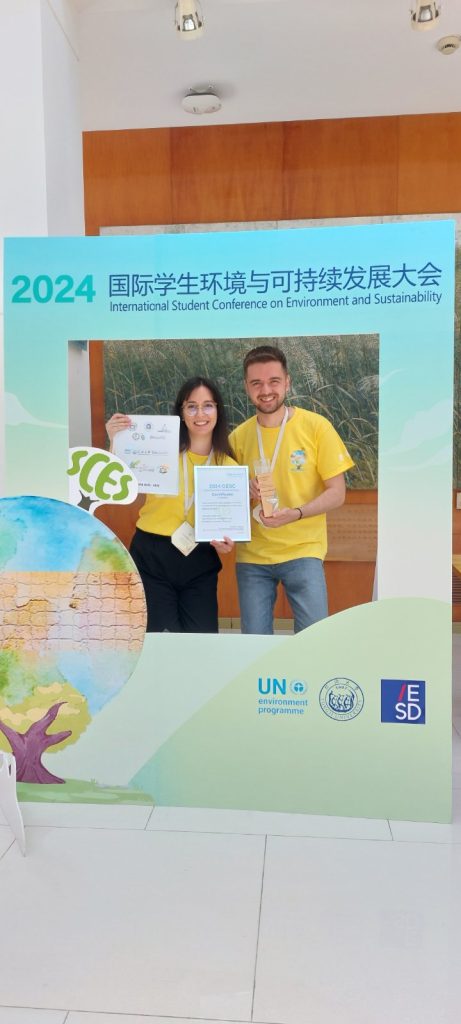
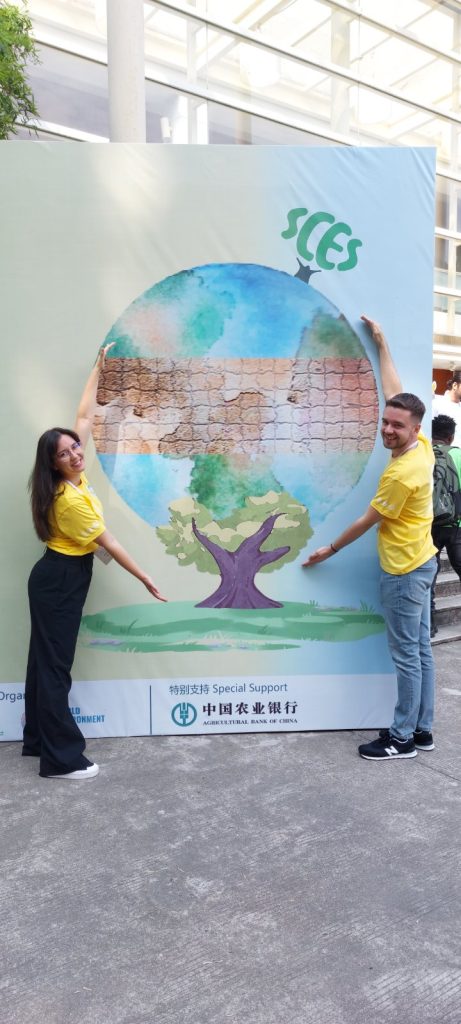
We are proud of our PhD students from the Department of Chemistry, Biochemistry, and Environmental Protection, Andrijana Bilić and Milinko Perić, who won the second prize at the prestigious 2024 Global Environment Solutions Challenge, held in Shanghai, China.

The competition gathered teams from around the world to find innovative solutions to the global plastic pollution problem. Our students stood out with their creativity, knowledge, and dedication in developing the project on the topic “Self-cleaning anti-microplastic filters,” under the mentorship of Dr. Sanja Armaković.

We congratulate our team on this outstanding achievement and are proud that they represented our institution at such a high level.

This success confirms the quality of our education and the dedication of our students to solving global environmental problems.

Faculty of Sciences at the World Finals of the International Collegiate Programming Contest Programming Competition Finals (ICPC)

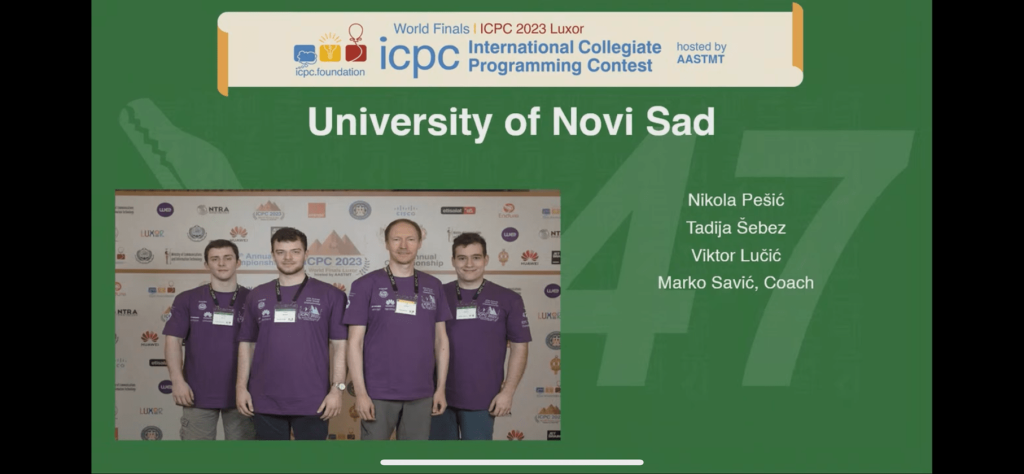
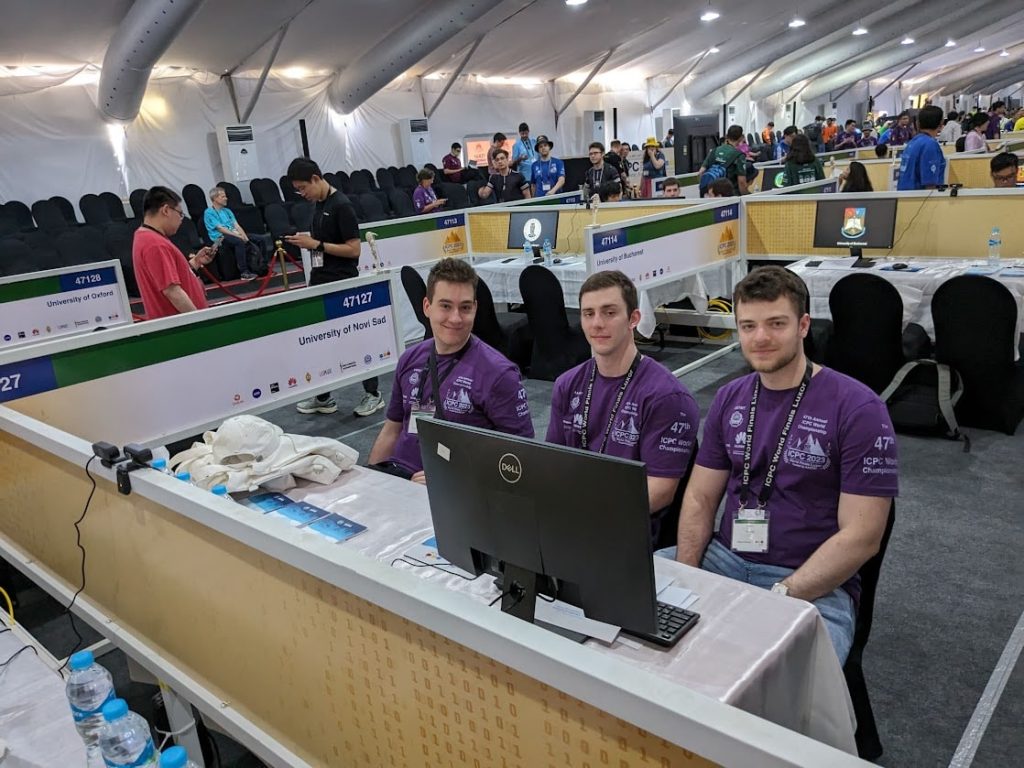
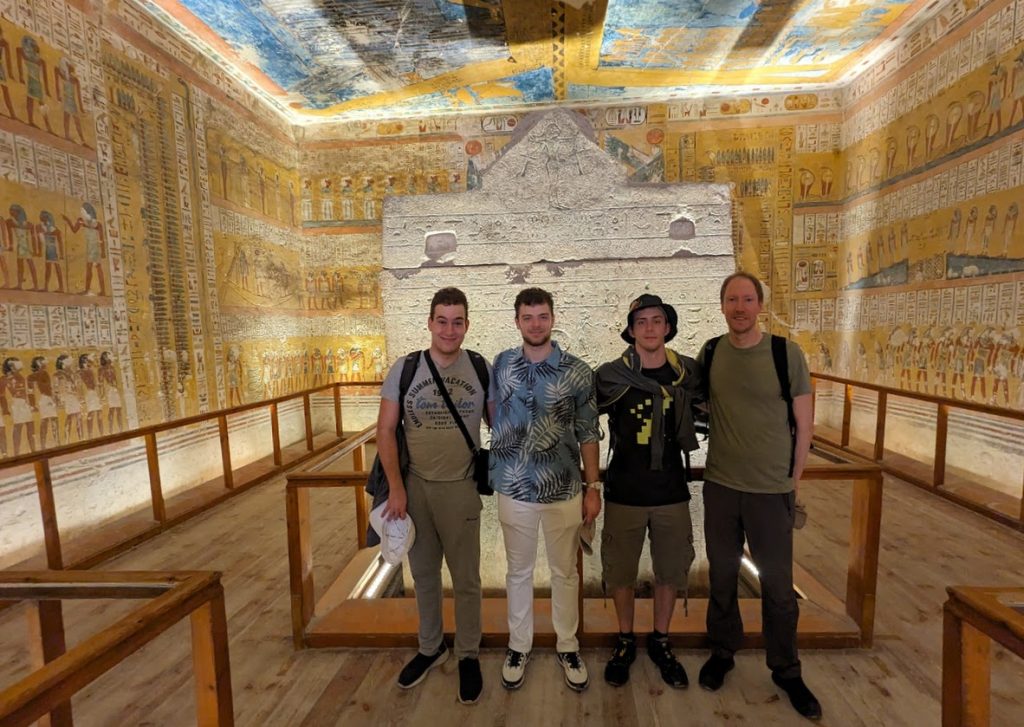
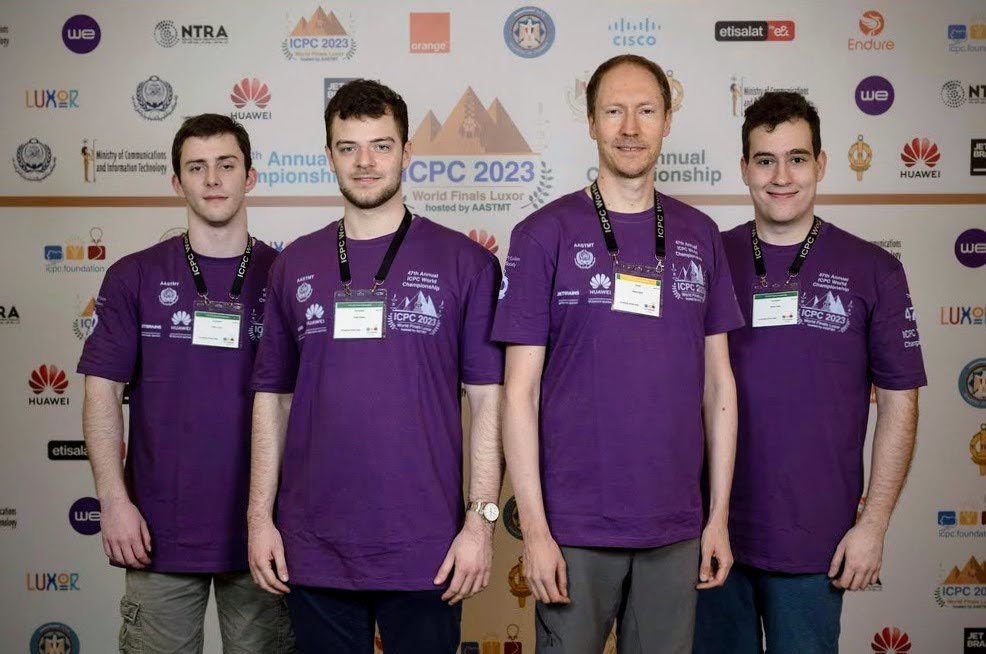
The team from the University of Novi Sad (with 3 out of 4 members from the Faculty of Sciences), after winning the first place in the Southeast European regional competition, participated in the 47th finals of the largest global programming competition – ICPC.

The team members were:

  • Nikola Pešić (Faculty of Sciences)
  • Viktor Lučić (Faculty of Sciences)
  • Tadija Šebez (Faculty of Technical Sciences)
  • Marko Savić, coach (Faculty of Sciences)

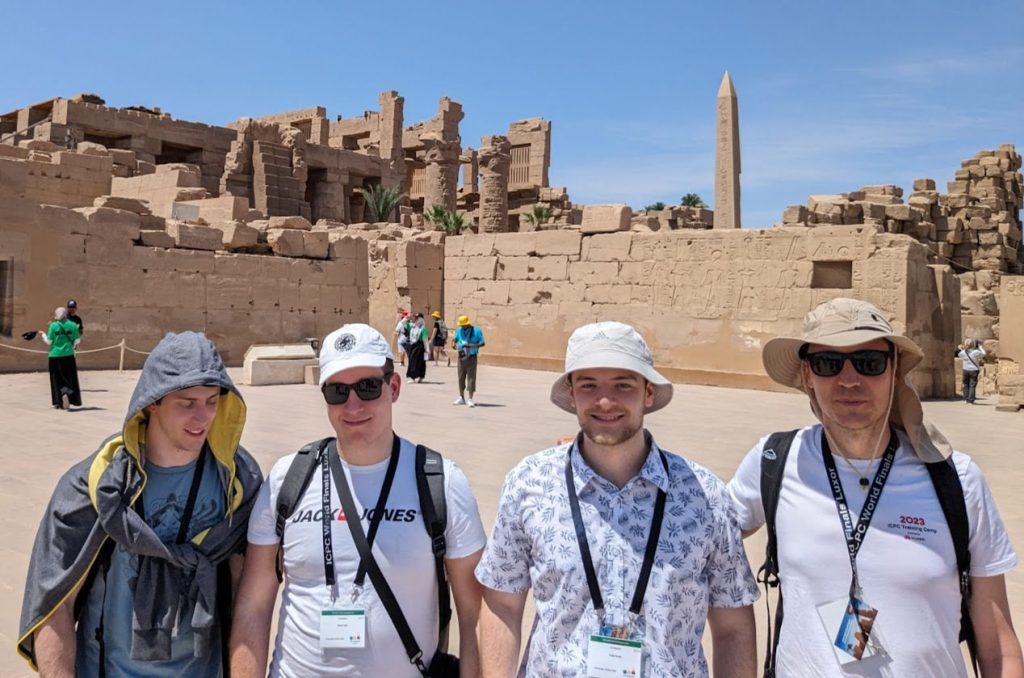
The finals were held in Luxor, Egypt, and included teams from 130 universities worldwide. Our University of Novi Sad team achieved an excellent result – 17th place! Furthermore, according to official criteria, they share 13th place, as teams solving the same number of tasks after 12th place are ranked equally (time penalties are not counted).

This result ranked us higher than world-renowned universities such as MIT, Kyoto University, St Petersburg University, ENS Paris, ETH Zurich, Carnegie Mellon, Oxford, Stanford, and many others.

The top 12 teams are awarded medals, and our team performed at a level worthy of a top 10 placement, but due to a minor mistake, that opportunity slipped away. Nonetheless, they truly deserved it for the effort they put into their preparation, leaving a chance to aim for a medal next year.

We are grateful to the Microsoft Development Center in Serbia and the Serbian Mathematical Society for their help and support.

Stefan Nikolić Awarded for the Best Doctoral Dissertation by the European Design and Automation Association

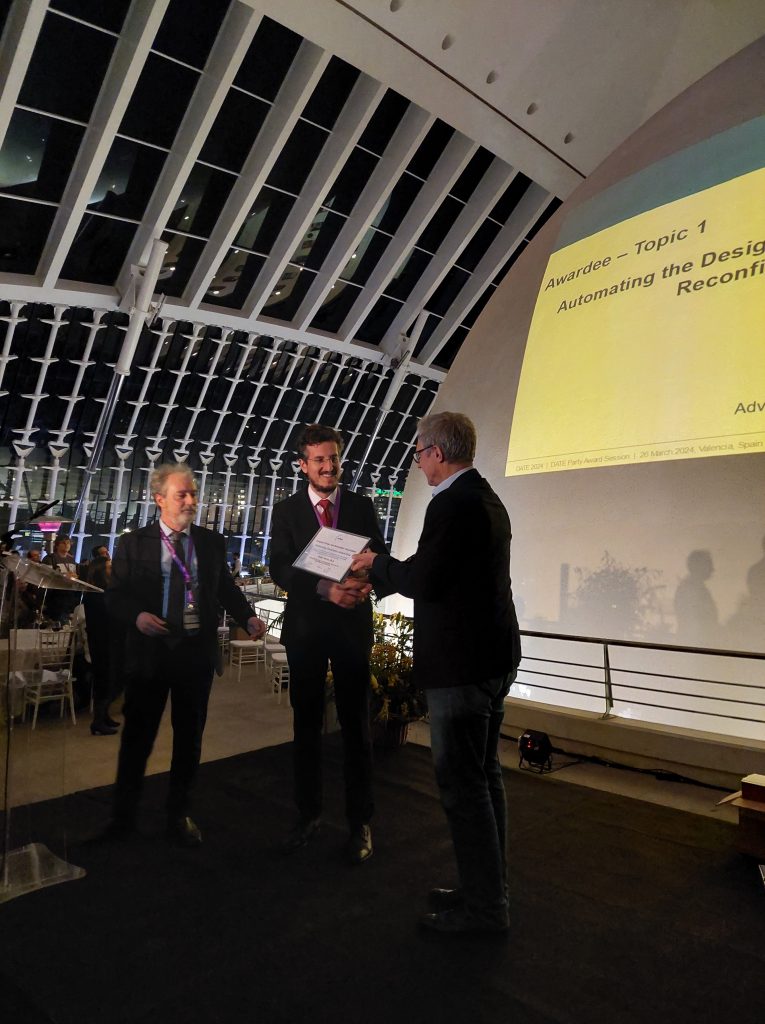
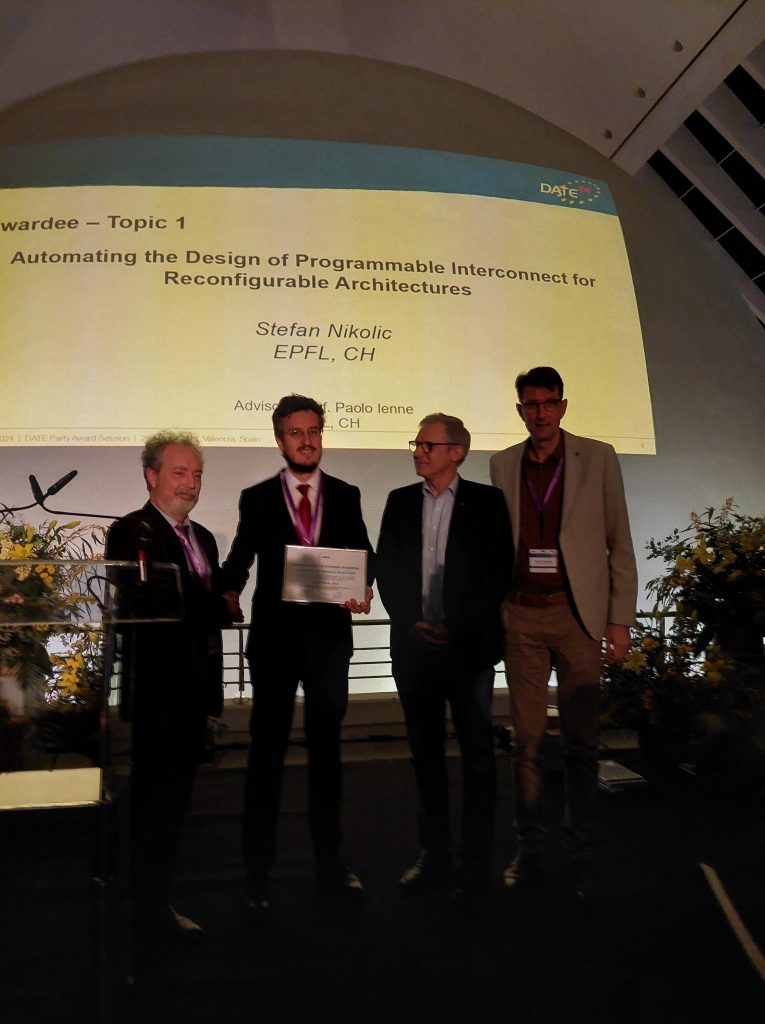
Assistant professor at the Faculty of Sciences, University of Novi Sad, Stefan Nikolić, received on March 26, 2024, in Valencia, the award for the best doctoral dissertation in the category “New Directions in Systems Design Methods and Tools, Simulation and Validation, Embedded Software Design, and Optimization for Embedded, Cyber-Physical, Secure and Learning Systems.”

The award was presented by the European Design and Automation Association at the ceremony in the Hemisferic Center of the City of Arts and Sciences in Valencia.

Nikolić’s dissertation, “Automating the Design of Programmable Interconnect for Reconfigurable Architectures,” is the result of years of research conducted during his PhD studies and as Assistant at the School of Computer and Communication Sciences, Ecole Polytechnique Federale de Lausanne, Switzerland.

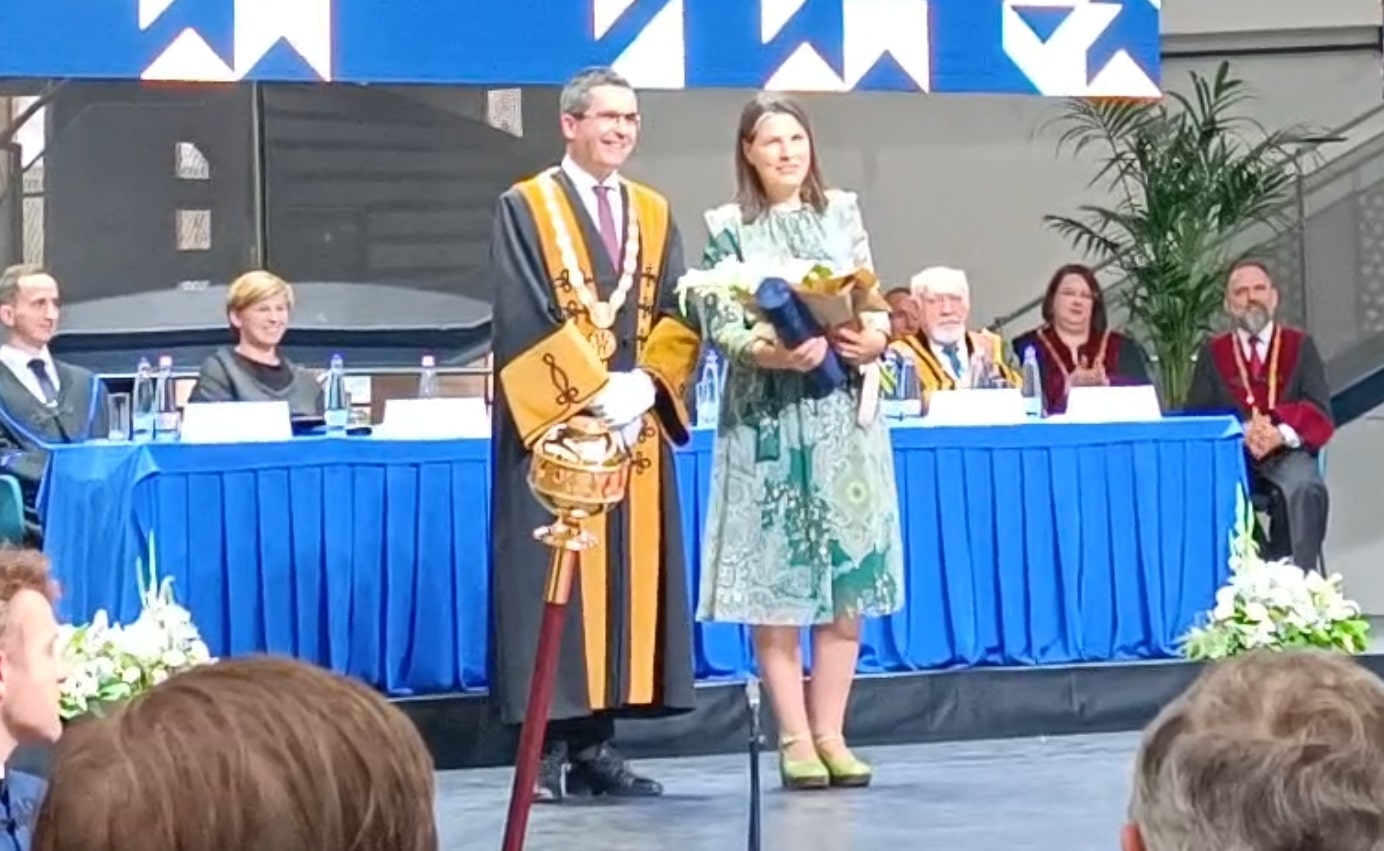
Isidora Kešelj and Milica Radaković, winners of the national scholarship “For Women in Science”

On December 25, 2023, the national awards “For Women in Science” for 2023 were awarded, and out of three, two winners are from the Faculty of Sciences. The awards were given to: Ana S. Dobrota, Isidora Kešelj and Milica Radaković.

Isidora Kešelj is Assistant Professor in the field of Animal Physiology at the Department of Biology and Ecology, and her work is based on finding solutions for male infertility.

Our focus is on men and we treat male infertility. We want to see how it can be solved and the government is supporting our research. The projects we implement are also supported by the government. In the world of science, women have their place. There are a lot of us in Serbia.

Isidora Kešelj

Milica Radaković works at the Department of Geography, Tourism and Hotel Management, dealing with climate and environmental change research, and this award will contribute to further advancement of her work.

The award means a lot to me and contributes to expanding my knowledge of science and my results even more.

Milica Radaković

The National Awards ceremony within the thirteenth cycle of the L’Oréal-UNESCO program “For Women in Science” was organized by the Ministry of Science, Technological Development and Innovation, the Commission of the Republic of Serbia for Cooperation with UNESCO and the L’Oréal Balkan company. Through this program, female scientists receive funds for the realization of their research projects (€5,000 each).

Previously, Marija Lesjak and Snežana Papović from the Department of Chemistry, Biochemistry and Environmental Protection, Mirjana Ćuk and Nevena Veličković from the Department of Biology and Ecology and Jelena Aleksić from the Department of Mathematics and Informatics have received this scholarship.
Six new projects financed within the PRIZMA program of the Science Fund of the Republic of Serbia

As part of the PRIZMA program, the Science Fund of the Republic of Serbia will finance 97 projects in the next three years in which 898 researchers from 91 scientific research organizations will participate. Six projects led by the Faculty of Sciences, University of Novi Sad have been accepted for financing, of which five are in the field of science and mathematics and one is in the field of artificial intelligence:

  • “Global and local analysis of operators and distributions” (GOALS) led by Prof. Dr Nenad Teofanov
  • “LArge SCale and Distributed Optimization” (LASCADO) led by Prof. Dr Nataša Krejić
  • “Mathematical Models of Fluid Flow with Variable Viscosity” (FluidVarVisc) led by Prof. Dr Marko Nedeljkov
  • “Integration of Biological Responses and PBTK Modeling in Chemical Toxicity Assessment: A Case Study of Perfluorooctanoic Acid (PFOA)” (ToxIN) led by Prof. Dr Nebojša Andrić
  • “Natural based efficient solution for remediation and revitalization of contaminated locations using energy crops” (ReNBES) led by Prof. Dr Snežana Maletić
  • “Graphs in Space and Time: Graph Embeddings for Machine Learning in Complex Dynamical Systems” (TIGRA) led by Prof. Dr Miloš Radovanović

New project of HORIZON EUROPE Innovation actions – “Restore4Life”

“Restoration of wetland complexes as life supporting systems in the Danube Basin (Restore4Life)” is a HORIZON EUROPE Innovation Action project in which our Department is a partner. The coordinator of this international project is Dr Mihai Adamescu, head of the research center for systemic ecology and sustainability from Romania, while the coordinator of the project for the Faculty of Sciences is Prof. Dr Dušanka Cvijanović. This project under the project name HORIZON-MISS-2022-OCEAN-01; Action: HORIZON-MISS-2022-OCEAN-01-02 will be implemented in the period from 2023 to 2027.

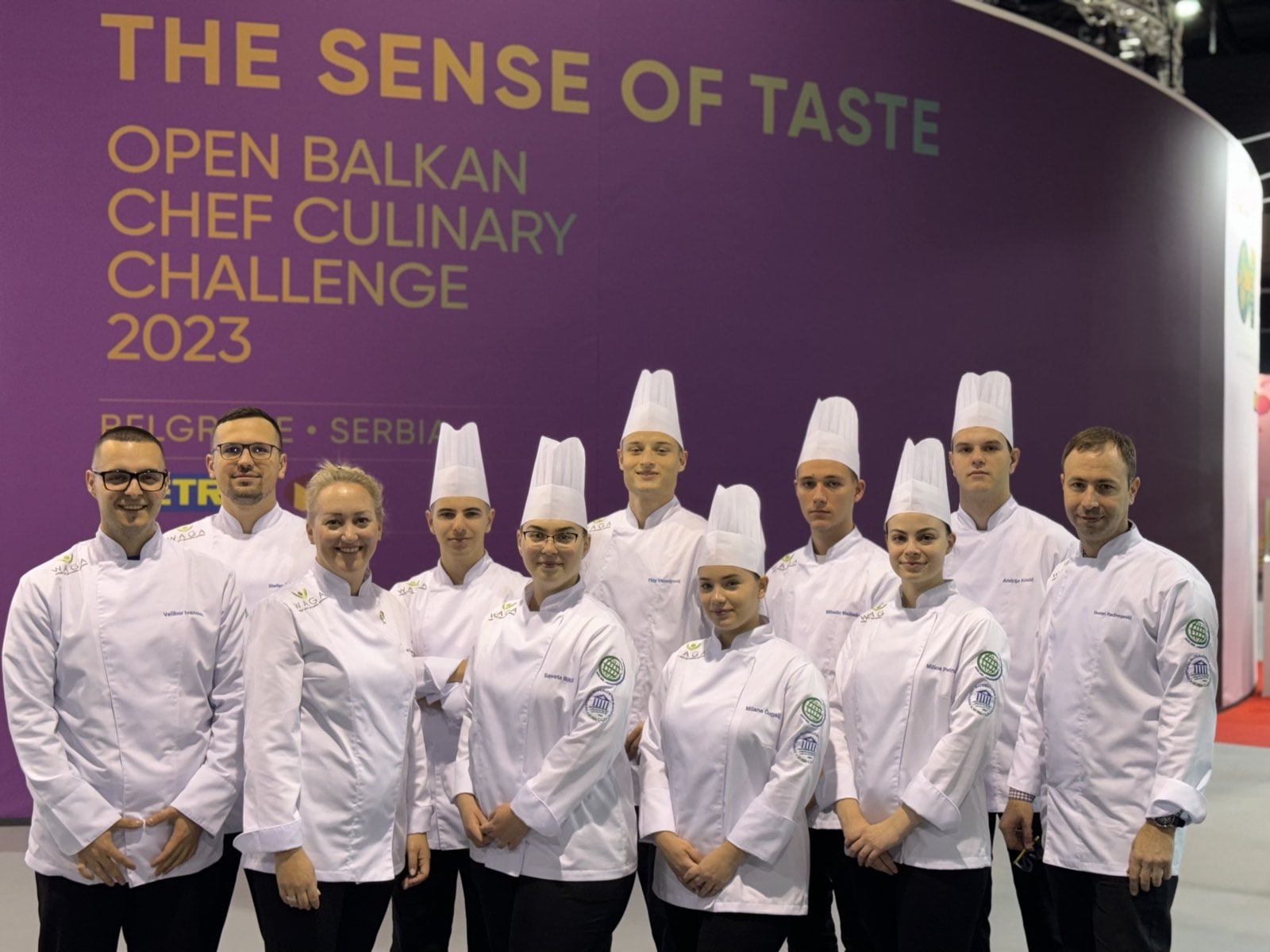
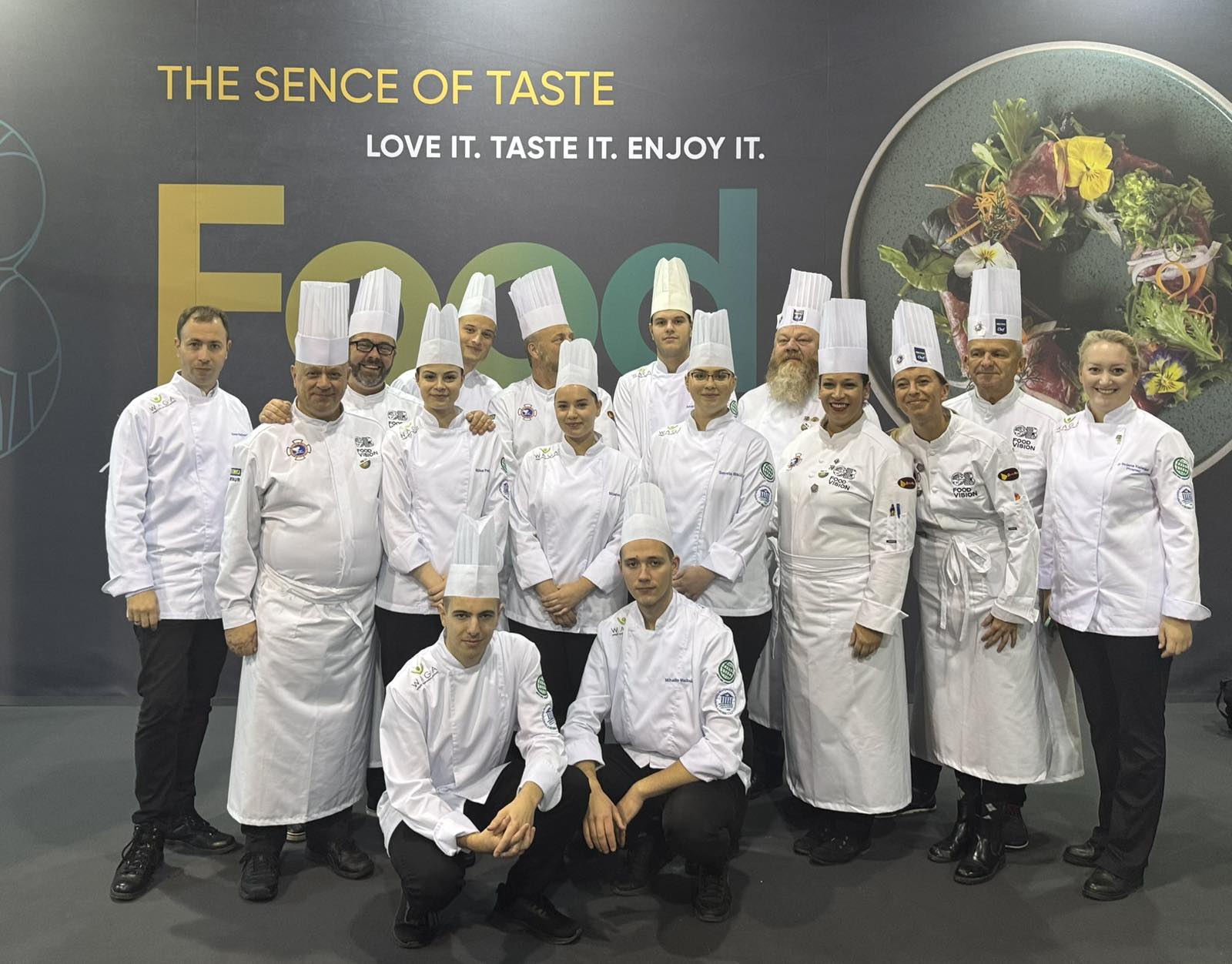
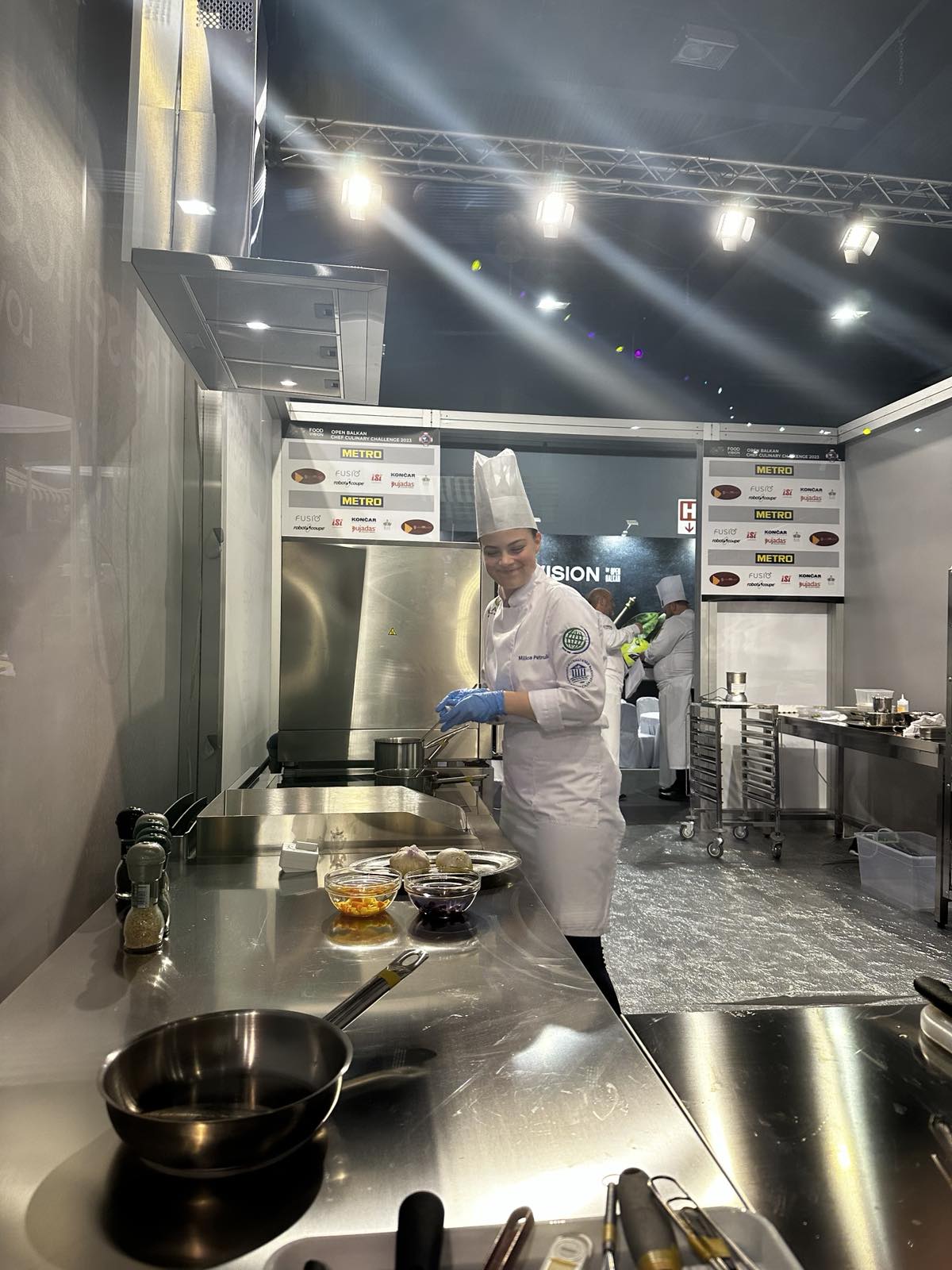
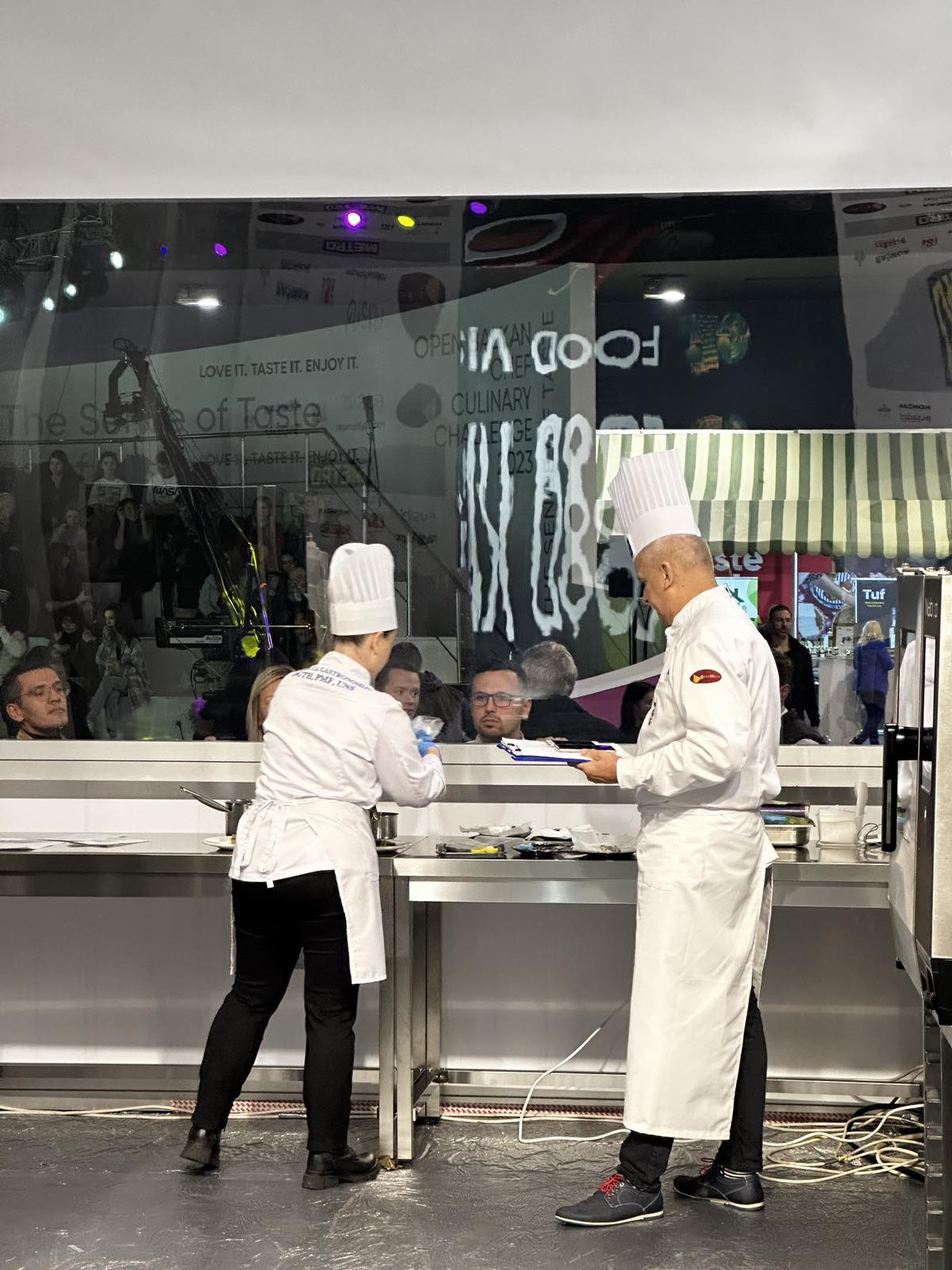
Gastronomy students at the culinary competition “Food Vision by Open Balkan – Open Balkan Chef Culinary Challenge 2023”

In the organization and under the auspices of the Government of the Republic of Serbia, the Government of Albania and the Republic of North Macedonia, and within the implementation of the Open Balkan initiative, the second event “Wine Vision by Open Balkan” was held from November 16 to 19, 2023.

As part of this event, the first competition of professional chefs and young chefs was held under the name “Food Vision by Open Balkan – Open Balkan Chef Culinary Challenge 2023”. The quality of the competition was strengthened by the renowned international judges, with exceptional culinary experience; Dragan Unić (president of the team of judges), Daniel Schade, Dominique Grandjean, Franciane Tartari, Daniel Ayton, Miroslav Kubec, Martina Events and Saso Dravinec.

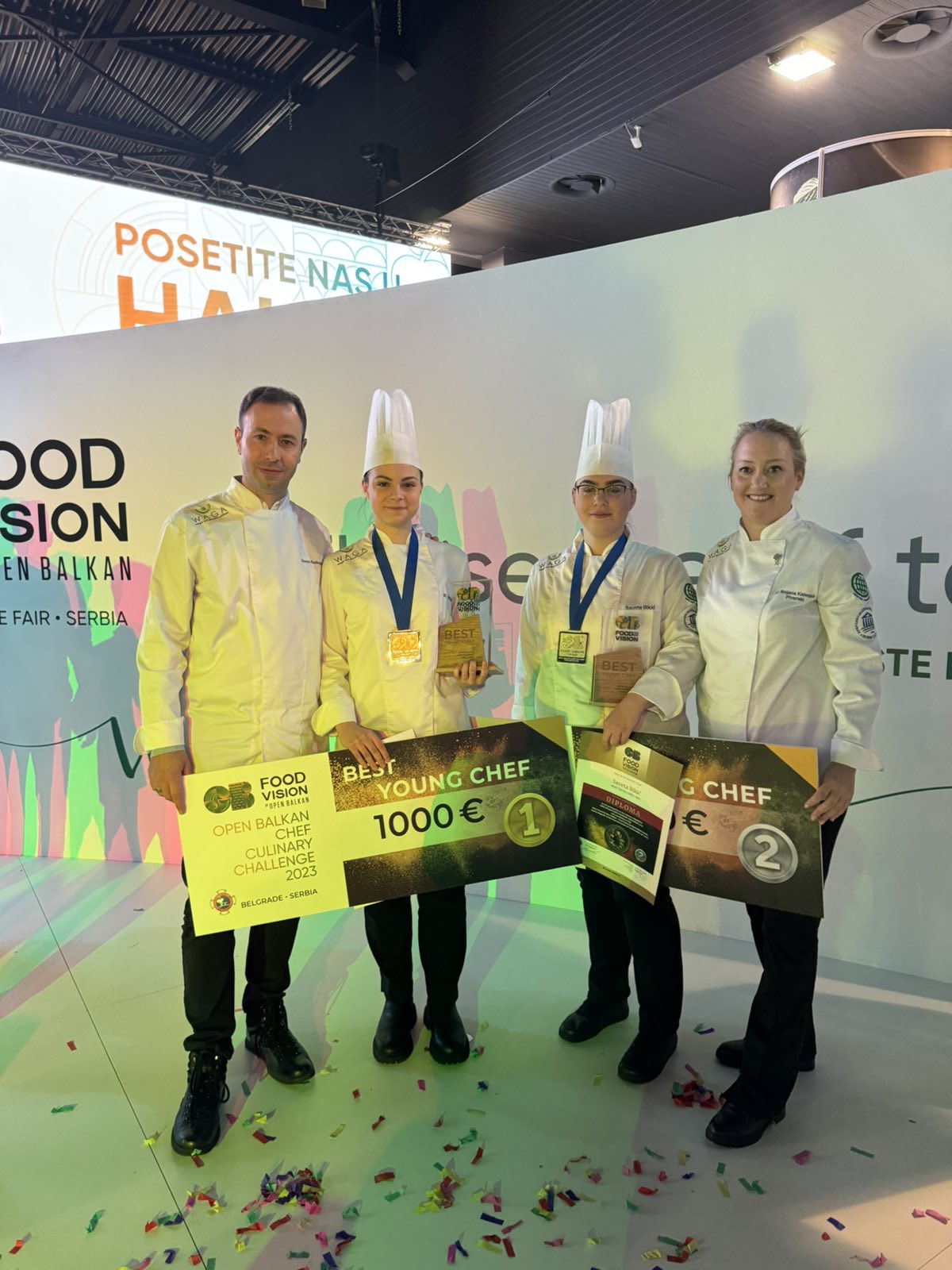
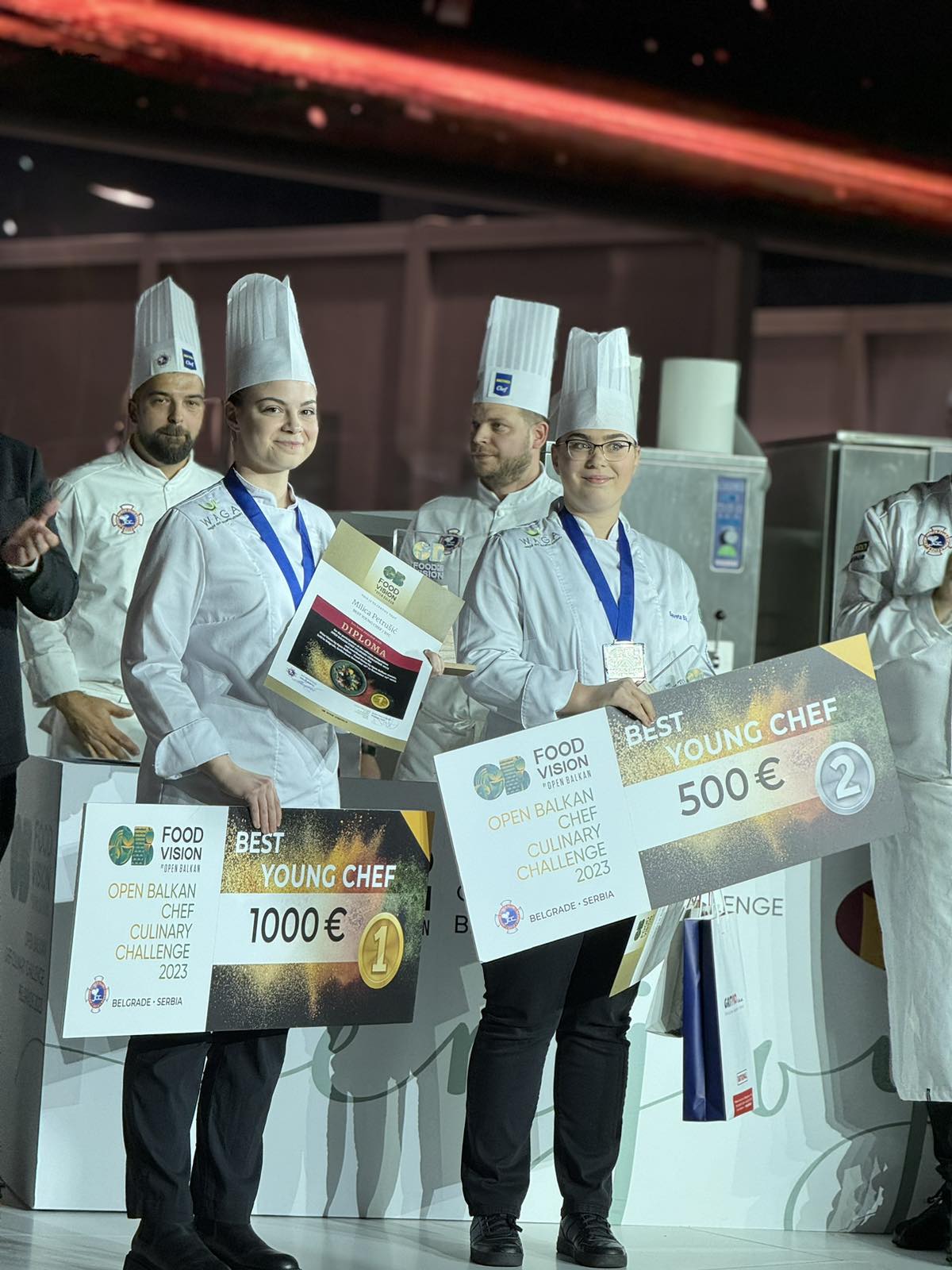
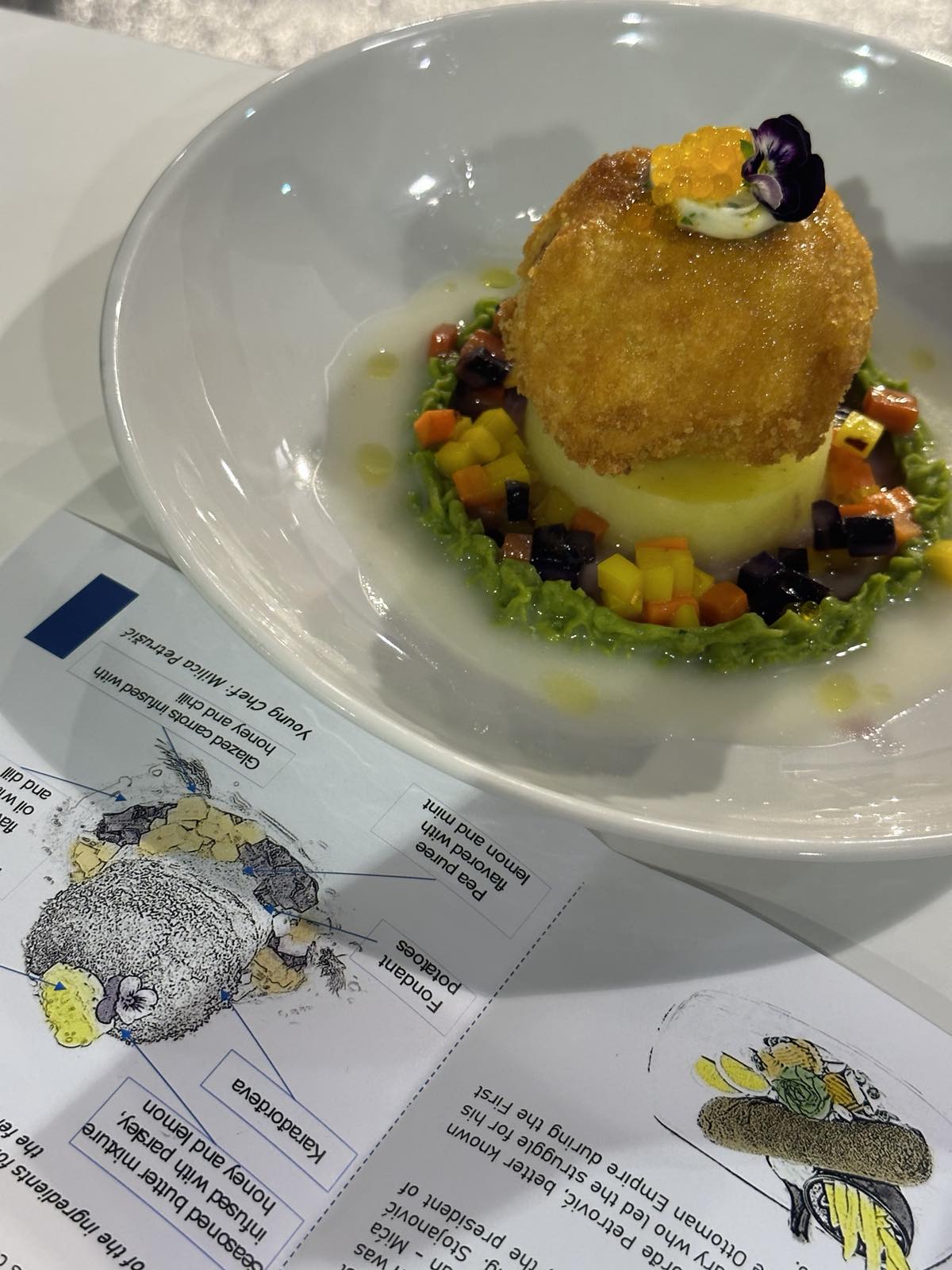
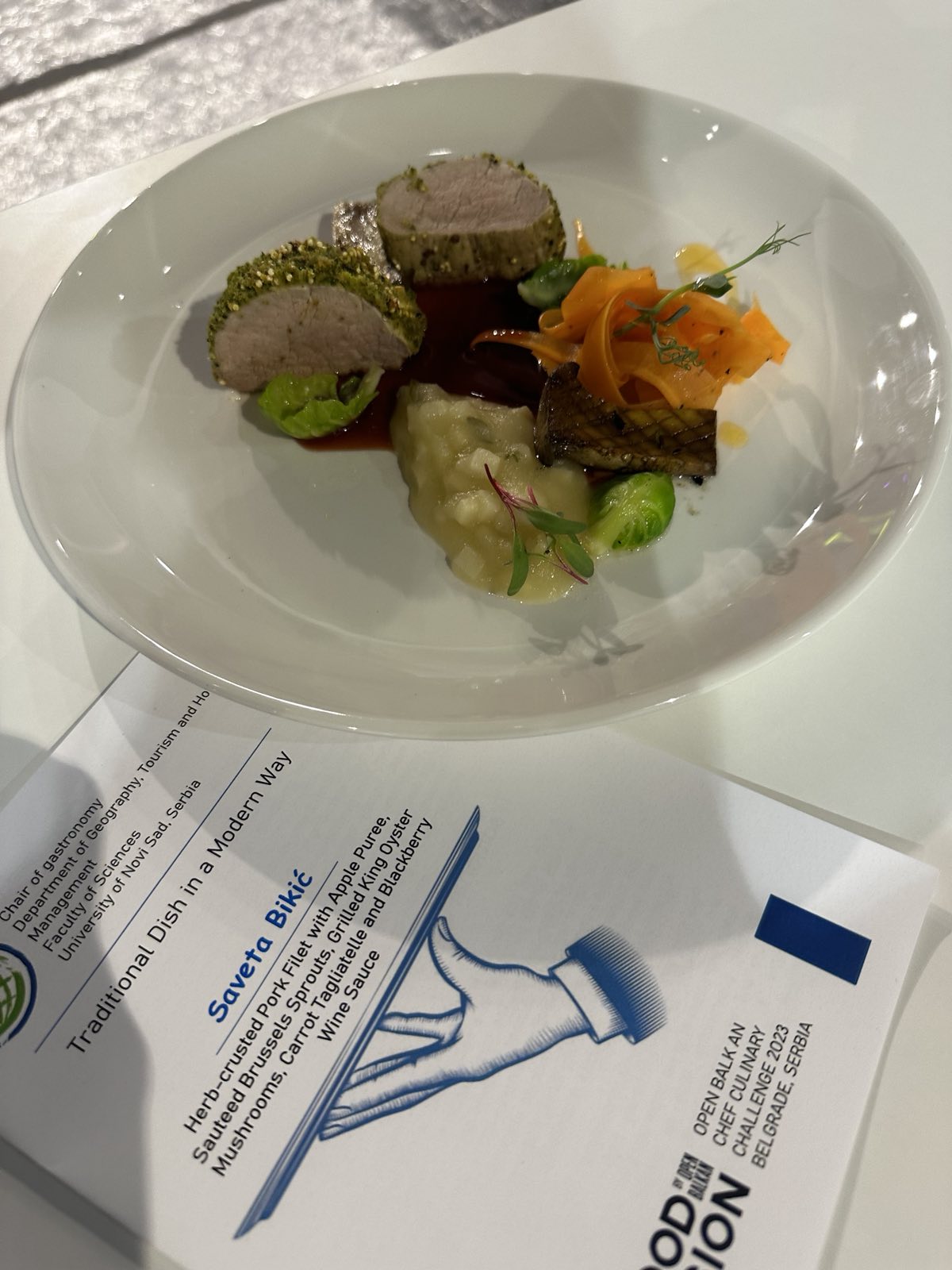
From the Faculty of Sciences, Department of Geography, Tourism and Hotel Management, Chair of Gastronomy in the category “Best Young Chef” – preparation of a traditional dish in a modern way, 6 undergraduate and master students participated, who achieved outstanding results, entering the top nine and winning the following awards:

  • Milica Petrušić, gold medal, first place;
  • Saveta Bikić, silver medal, second place, and award for the most promising young chef;
  • Milana Čugalj, fourth place;
  • Filip Vitomirović, sixth place;
  • Mihailo Mlabaša, eighth place;
  • Andrija Kocić, ninth place.

The proud mentors of the students were: Dr Bojana Kalenjuk Pivarski and Goran Radivojević, with the assistance of colleagues Velibor Ivanović and Stefan Šmugović.

New Horizon Project “Engaging Approaches for Meaningful Climate Actions – CLEAR CLIMATE”

The new Horizon project “Engaging Approaches for Meaningful Climate Actions – CLEAR CLIMATE” was launched. It is a joint initiative that aims to develop innovative approaches and services for communication about significant actions to combat climate change. For the first time, a project like this is coordinated by our faculty, and we are proud to present you our esteemed partners:

  • Wageningen University, The Netherlands
  • Autonomous University of Barcelona, ​​Spain
  • SWPS University, Poland
  • Stichting Climate Adaptation Services, The Netherlands
  • Predictia Intelligent Data Solutions, Spain
  • CESIE, Italy
  • Loughborough University, United Kingdom
  • Previsico Limited, United Kingdom
  • University of Development Studies, Ghana

Over the next four years, we will be committed together to solving the pressing challenges of climate change through innovative research and collaboration.

New Erasmus+ project: SciMag – Science&Math educational games from preschool to university

Within the Erasmus+ call KA220-SCH – Cooperation partnerships in school education, the project “Science&Math educational games from preschool to university (SciMag)” was approved.

Game-based learning is the approach on which the project is based, with a special emphasis on interdisciplinarity and cooperation in science learning  at all levels of education. The coordinator of the project is the University of Rijeka, Croatia, and the University of Novi Sad is participating as a partner. The team members are from the Faculty of Science, the Department of Geography, Tourism and Hotel Management and the Department of Chemistry, Biochemistry and Environmental Protection. The project manager is Prof. Dr Milica Solarević, from DGTH, and team members are Prof. Dr Sanja Belić with DH and Prof. Dr Smiljana Đukičin Vučković from DGTH. The project will last three years (September 1, 2023 – August 31, 2026), the EU Grant amounts to EUR 250,000 (Project number: 2023-1-HR01-KA220-SCH-000165485).

The Project ‘Stone Monument Ensembles and the Climate Change Impact’ (STECCI)

As of September 1, 2023, the Faculty of Sciences University of Novi Sad officially started the implementation of this scientific research project financed within the EU Program for Research and Innovation ‘Horizon Europe’ (2021-2027) titled ‘Stone Monument Ensembles and the Climate Change Impact’ (STECCI). The project was rated as outstanding by the evaluators of the European Commission and the Horizon Europe Program with 14 out of 15 possible points.

The project will certainly arouse the interest of those who know what ‘stećci’ are, as well as of all those who will be acquainted with this type of medieval tombstones for the first time, getting to know their unique shape and ornamentation, and exceptional cultural and documentary value, rightfully included in the UNESCO List of World Heritage Sites.

The research topic is very up to date because it is about the climate change impact on cultural heritage monuments, here specifically on ‘stećci’ (medieval tombstones), including anthropogenic threats, environmental threats, neglect of cultural heritage, etc. Furthermore, the research that will be carried out within the project is especially multidisciplinary because it holistically combines different scientific disciplines and expertise. The topic of ‘stećci’ is more than relevant for the geographical coverage of our region, where ‘stećci’ are a unique phenomenon – countries of the Western Balkans, Ex-Yugoslavia countries: predominantly Bosnia and Herzegovina, Serbia, Montenegro, Croatia, while the international partners are from France, Germany, Austria and from Malta.

Under the coordination of the University of Sarajevo, UNSPMF is a partner in a very compact international consortium that combines all relevant scientific disciplines: climatology, social sciences, digitization, economics, creative industries, preservation and conservation of cultural heritage applying the newest approaches. The added value of the project is the active involvement of citizens in the project (Citizen Science).

Project duration: September 1, 2023 – August 8, 2027

The project leader at UNSPMF is Prof. Snežana Radulović, Ph.D. from the Department of Biology and Ecology, and the wider team of researchers including almost all departments of UNSPMF: Department of Geography, Tourism and Hotel Management, Department of Physics, Office for International Cooperation and Projects, which is an excellent example of interdisciplinary cooperation at the Faculty itself.

The role of researchers from UNSPMF is twofold – in addition to the relevant research contribution, UNSPMF is in charge of a unique work package called “Dissemination, communication and exploitation of project results”, which is an added value of participating in the project, bearing in mind how important scientific communication and raising awareness of the significance of this project is – both among professionals and the general public.