EINSTEIN Project International Conference: From Local Excellence to Global Impact

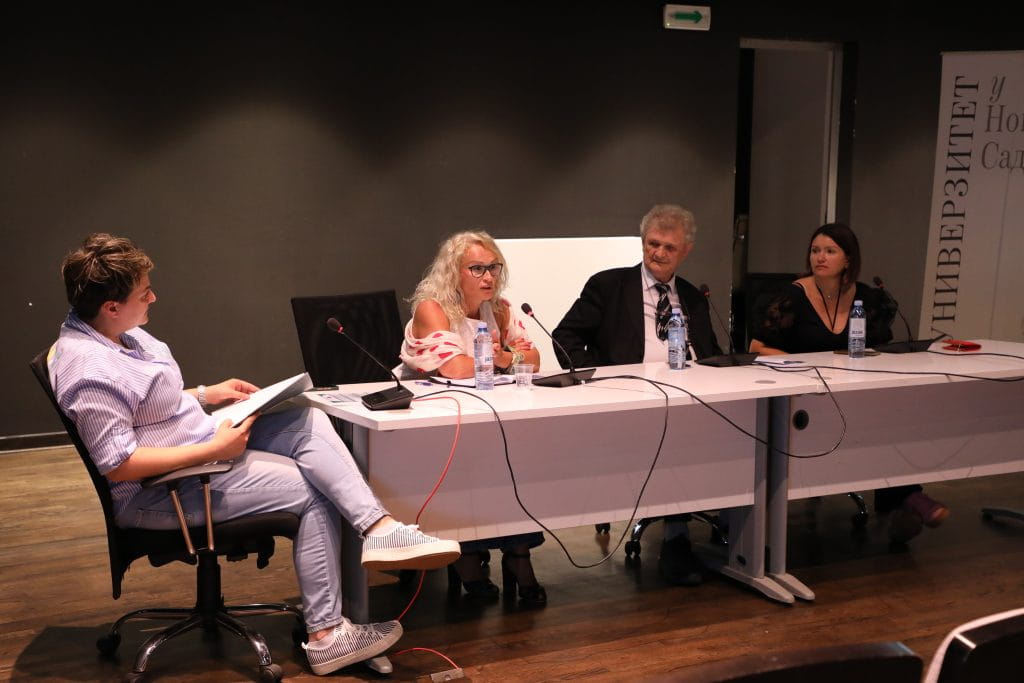
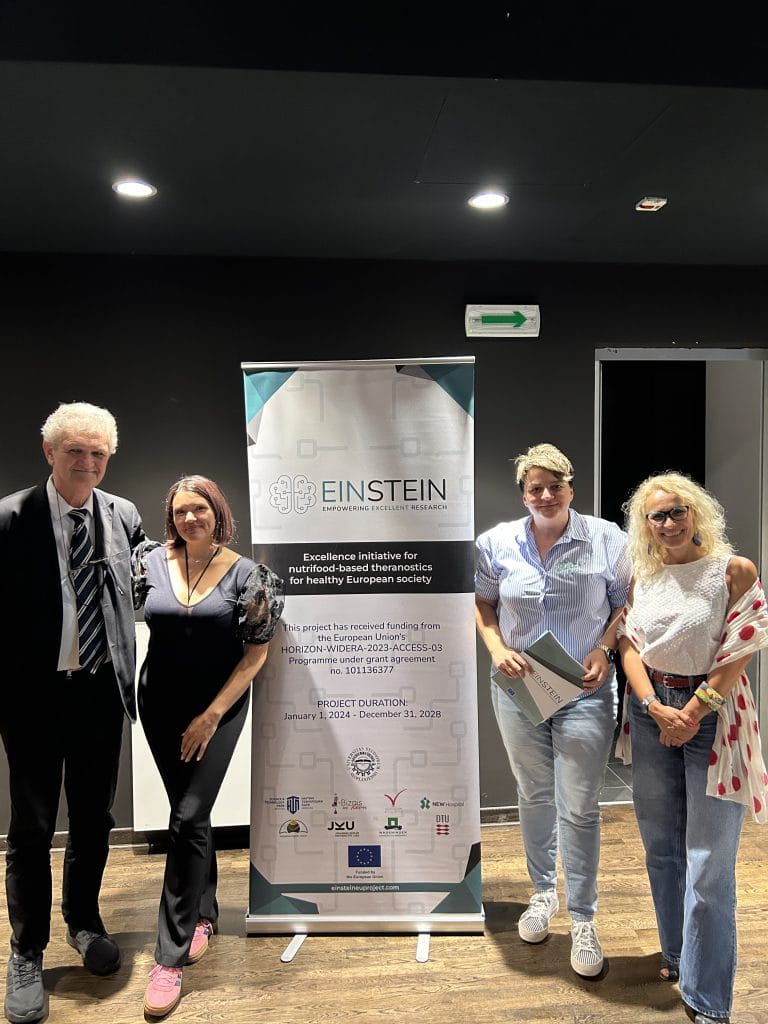
Gordana Vlahović, Head of International and Project Office at the Faculty of Sciences, University of Novi Sad, participated as a panelist in the EINSTEIN Project international conference “From Local Excellence to Global Impact: Importance of Internationalization for Reaching Research and Innovation Excellence”, held on 5 June 2026 at the University of Novi Sad. The conference brought together distinguished experts, university leaders, researchers, project managers, and internationalization professionals from across Europe to discuss the evolving role of internationalization in advancing higher education institutions, research excellence, innovation capacity, and global competitiveness.

As a participant in the round table discussion “The Importance of Internationalization and Alumni Cooperation for the Progress of Higher Education Institutions”, Gordana Vlahović shared insights gained through years of experience in supporting international research collaboration, Horizon Europe participation, researcher mobility, institutional capacity building, and strategic partnership development. She emphasized that internationalization should not be seen as a collection of projects, mobility schemes, or bilateral agreements, but as a comprehensive institutional transformation process. Referring to internationally recognized concepts of Comprehensive Internationalization, she highlighted the importance of embedding international and intercultural dimensions into all core missions of the university – research, education, innovation, governance, and societal engagement. Sustainable internationalization is achieved when international cooperation becomes an integral part of institutional culture and strategic development. Strong international partnerships create a multiplier effect by generating research opportunities, attracting talent, increasing visibility, fostering innovation, and contributing to long-term institutional resilience and excellence.

Faculty of Sciences is commitment to strengthening international collaboration and expanding its role within the European and global research and education ecosystems. International and Project Office actively supports researchers, students, and academic staff in accessing international opportunities, building strategic partnerships, and enhancing participation in competitive European programmes. Gordana Vlahović highlighted the Faculty of Sciences’ commitment to transforming international cooperation into tangible institutional impact strengthening research excellence, advancing educational quality, fostering innovation, and preparing the next generation of globally connected scientists and professionals.

The conference provided an opportunity to exchange experiences with representatives of leading European universities and organizations, reaffirming the importance of collaboration, knowledge exchange, and international networking as key drivers of research and innovation excellence.
ISO compatible, efficient and reproducible protocols/equipment for mICro-nanoPLASTIC detection through machine-learning (ICPLASTIC)

  • Project title: ISO compatible, efficient and reproducible protocols/equipment for mICro-nanoPLASTIC detection through machine-learning (ICPLASTIC)
  • Project number: CA23131
  • Institutions participating in the project: https://www.cost.eu/actions/CA23131/#tabs+Name:Working%20Groups%20and%20Membership
  • Status in the project: Partner (Faculty of Sciences, Department of Chemistry, Biochemistry and Environmental Protection: Aleksandra Tubić)
  • Project leader: Dr Laura Rodriguez-Lorenzo, Action Chair
  • Project type: COST Action (part of Horizon Europe Programme)
  • Period of realization: 18.09.2024-17.09.2028
  • Project website: https://www.icplastic.eu

Data-driven Applications towards the Engineering of functional Materials: an Open Network (DAEMON)

  • Project title: Data-driven Applications towards the Engineering of functional Materials: an Open Network (DAEMON)
  • Project number: CA22154
  • Institutions participating in the project: https://www.cost.eu/actions/CA22154/#tabs+Name:Working%20Groups%20and%20Membership
  • Status in the project: Partner (Department of Chemistry, Biochemistry and Environmental Protection: Jasmina Nikić)
  • Project leader: Kevin Rossi, Action Chair
  • Project type: COST Action (part of Horizon Europe Programme)
  • Period of realization: 6.9.2023-25.9.2027
  • Project website: https://cost-daemon.eu

Cooperation, development and cross-border transfer of Industrial Symbiosis among industry and stakeholders (LIAISE)

  • Project title: Cooperation, development and cross-border transfer of Industrial Symbiosis among industry and stakeholders (LIAISE)
  • Project number: CA22110
  • Institutions participating in the project: https://www.cost.eu/actions/CA22110/#tabs+Name:Working%20Groups%20and%20Membership
  • Status in the project: Partner (Department of Chemistry, Biochemistry and Environmental Protection: Aleksandra Kulić Mandić)
  • Project leader: Almudena Muñoz Puche, Action Chair
  • Project type: COST Action (part of Horizon Europe Programme)
  • Period of realization: 24.10.2023-23.10.2027
  • Project website: https://www.liaise-action.eu

Development under artificial light at night. Biological impact of light pollution on amphibians (ENLIGHT)

  • Project title: Development under artificial light at night. Biological impact of light pollution on amphibians (ENLIGHT)
  • Project number: 11120
  • Institutions participating in the project: Institute for Biological Research “Siniša Stanković”, Institute of National Importance for the Republic of Serbia, University of Belgrade; Faculty of Natural Sciences and Mathematics, University of Novi Sad
  • Status in the project: Partner
  • Project leader: Marko Prokić (IBISS)
  • Project type: Science Fund – Program for excellent projects of young researchers (PROMIS)
  • Period of realization: 3.1.2024. – 3.1.2026

Urban Observatory of Belgrade (UrbObsBel)

  • Project title: Urban Observatory of Belgrade (UrbObsBel)
  • Project number: 6775
  • Institutions participating in the project: Astronomical Observatory in Belgrade, Institute of Physics, Faculty of Medicine (University of Belgrade), Faculty of Sciences (University of Novi Sad)
  • Status in the project: Partner
  • Project leader: Srđan Samurović
  • Project type: Science Fund – PRIZMA
  • Period of realization: 01.01.2024 – 31.12.2026
  • Project website: https://urbobsbel.aob.rs

GENERA‑COPA Project Receives Funding to Promote Gender and Diversity in STEM

European initiative awarded Erasmus+ funding to transform STEM education through gender and diversity integration, launched at the GENERA General Assembly in Limerick.

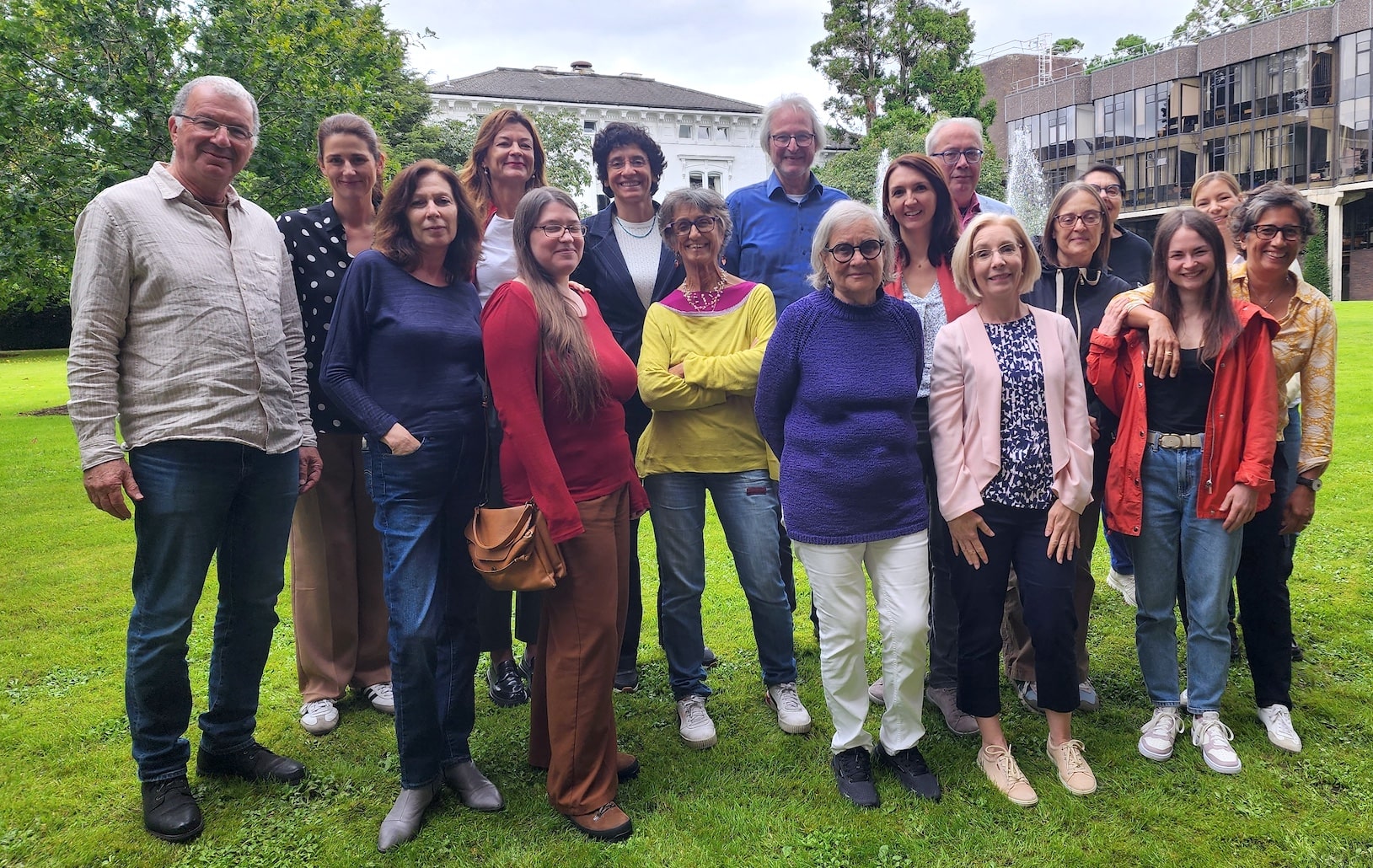
With the main aim to address the critical challenge of attracting and retaining minoritized groups in science and research, the GENERA‑COPA project has been selected as one of only 25 projects funded out of 124 proposals in the latest Erasmus+ call, receiving €400,000 to implement innovative activities that promote gender and diversity in math-intensive STEM fields. GENERA-COPA arose from collaboration within the GENERA Network and was officially kicked off during the General Assembly of this network held beginning of September 2025 at the University of Limerick (event details).

The project seeks to transform higher education curricula and institutional culture by integrating gender and diversity perspectives. By building university and research capacity and training local “critical friends” as trainers across Europe, the project ensures the sustainability of its initiatives and long-term transformation of educational practices. With this funding, GENERA‑COPA is poised to make a significant contribution to the European STEM landscape, promoting equality, diversity, and inclusion across higher education institutions.

The project focuses on the integration of a gender and diversity perspective in the math-intensive STEM fields, which has been suggested by L. Schiebinger (1999, Has Feminism changed Science, Cambridge, MA: Harvard Univ. Press.) as a major strategic approach to implement gender equality and diversity in addition to improving the number of women in STEM and the culture of research as it is performed in research institutions in STEM.

Increasing internationality, interdisciplinarity and working in larger and more diverse groups place new demands on young scientists. Within the project an introductory course will be developed, tested and implemented with the intention of preparing students and young scientists for these new requirements. This is not yet part of university education, however, urgently needed to perform research successfully and efficiently, contribute to a more inclusive higher education system and improve the job opportunities of young researchers.

The existing learning culture will be investigated and further develop with new approaches in inclusive teaching and learning, including universal design and STEAM education in the math-intensive STEM fields. Particular attention should be paid to how to best use online Learning Management Systems (LMS), Self Learning, and Train-the-Trainer methods.

Furthermore, the project will work in the direction of improving the direct support of master and PhD students in building up a successful career. In current institutional gender equality and diversity plans mentoring is one of the preferred measures to improve existing inequalities. Existing mentoring programs will be examined and methods developed to increase their effectiveness in terms of equality, diversity and inclusion. Innovative forms of mentoring will be developed and tested that couple mentoring with networking and active sponsoring to offer an early introduction to international cooperation in science that is difficult to convey through participation in courses.

The project targets internal audiences, including partners, staff, and associated collaborators. The primary external audience includes higher education teachers, early-stage STEM researchers, mentors and mentees, diversity and inclusion officers, and math field intensive departments and institutions. Secondary audiences comprise policymakers, science communication organizations, advocacy groups for women and minoritized groups in STEM, and the general public interested in equality and STEM.

Through these activities, GENERA‑COPA aims to support institutions in introducing gender and diversity perspectives into curricula, enhance their capacity for inclusive education, and embed trained trainers to sustain ongoing development. As part of the GENERA Network, the consortium brings together extensive expertise and experience in applying gender perspectives and promoting equality, diversity, and inclusion within math-intensive STEM disciplines.

The project involves multiple European universities and research institutions collaborating for 3 years to create a more inclusive and equitable learning environment; it is coordinated by the German research centre DESY, further partner organisations are the Italian National Institute for Astrophysics (INAF), the Italian National Institute for Nuclear Physics (INFN), Weizmann Institute of Science (Israel), University of Limerick (Ireland), University of L’Aquila (Italy), Vilnius University (Lithuania), University of Novi Sad (Serbia), University of Alcalá and University of Oviedo (both Spain), Lund University (Sweden), and the Swiss Physical Society.

For more information:
📌 Website: https://www.genera-copa.eu
📌 Contact: chiara.badia@inaf.it

Mainstreaming water reuse into the circular economy paradigm (Water4Reuse)

Successful Erasmus + traineeship at the Faculty of Sciences

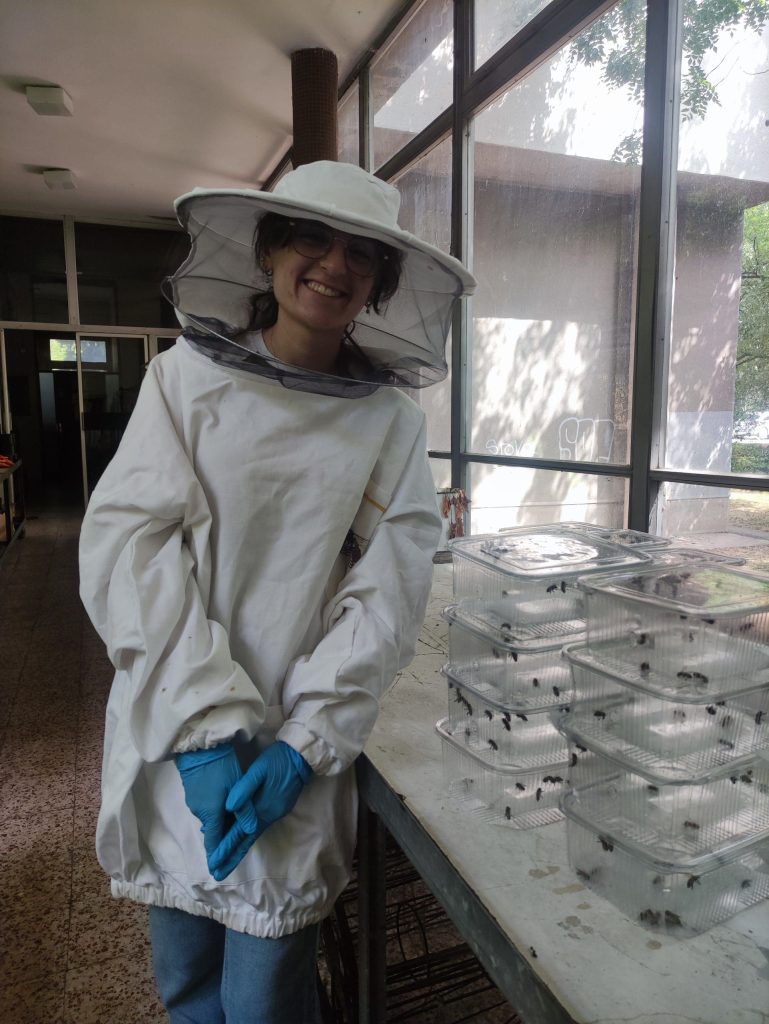
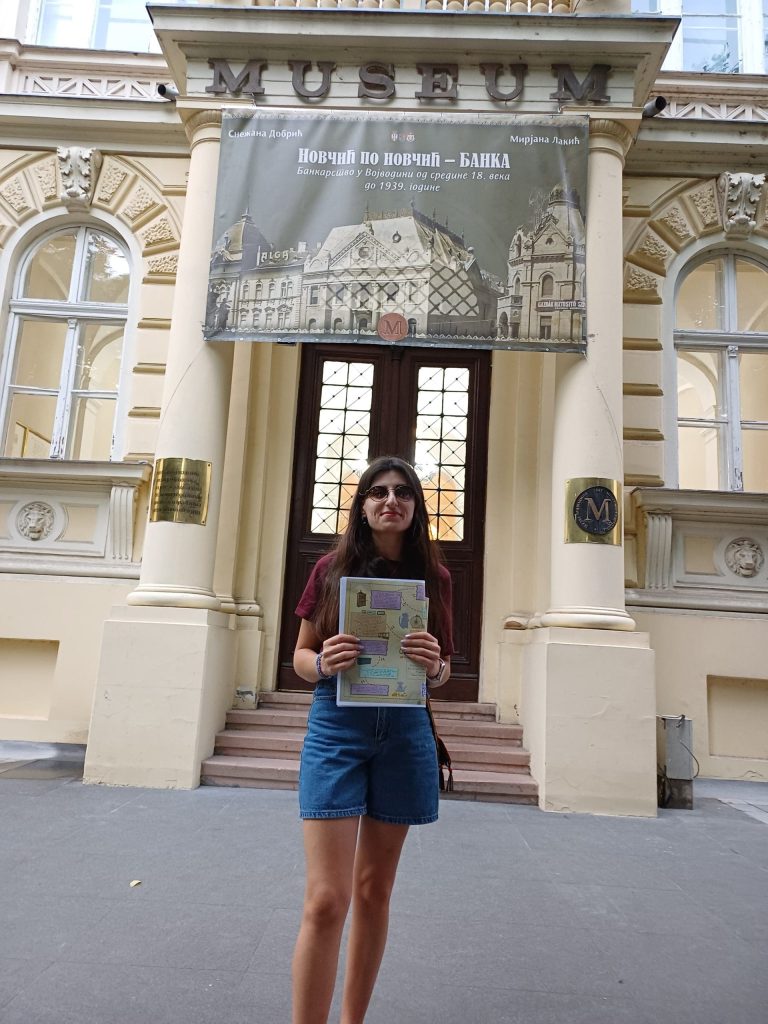
During the past few months, the Faculty of Sciences, University of Novi Sad, hosted an internship student from Turkey (İzmir Institute of Technology), Dilan İrem Açan. As part of the Erasmus+ program, she had the opportunity to engage in research activities and to further develop her knowledge and skills under the mentorship of Srđana Đorđievski, research associate at the Department of Biology and Ecology.

During her internship, Dilan worked on the topic “Exploring the environmental and biological factors influencing the health and longevity of honey bee”, gaining valuable experience in the field of biology and environmental protection, as well as in an international research environment.

“My time at the University of Novi Sad has been one of the most valuable experiences in my life. During my internship, I not only improved my scientific and laboratory skills but also learned the true value of teamwork, cultural exchange, and friendship. Living and working in such an inspiring environment helped me grow both as a researcher and as a person. I am truly grateful for this opportunity and for all the support I received. This experience will always remain a special part of my academic and personal journey.” – said Dilan.

The stay of international students within the Erasmus+ program is an important part of the international cooperation of our Faculty, and experiences like this confirm the significance of openness, exchange, and shared learning in international circles.

We wish our colleague Dilan much success in her future personal and academic endeavors.