GENERA‑COPA Project Receives Funding to Promote Gender and Diversity in STEM

European initiative awarded Erasmus+ funding to transform STEM education through gender and diversity integration, launched at the GENERA General Assembly in Limerick.

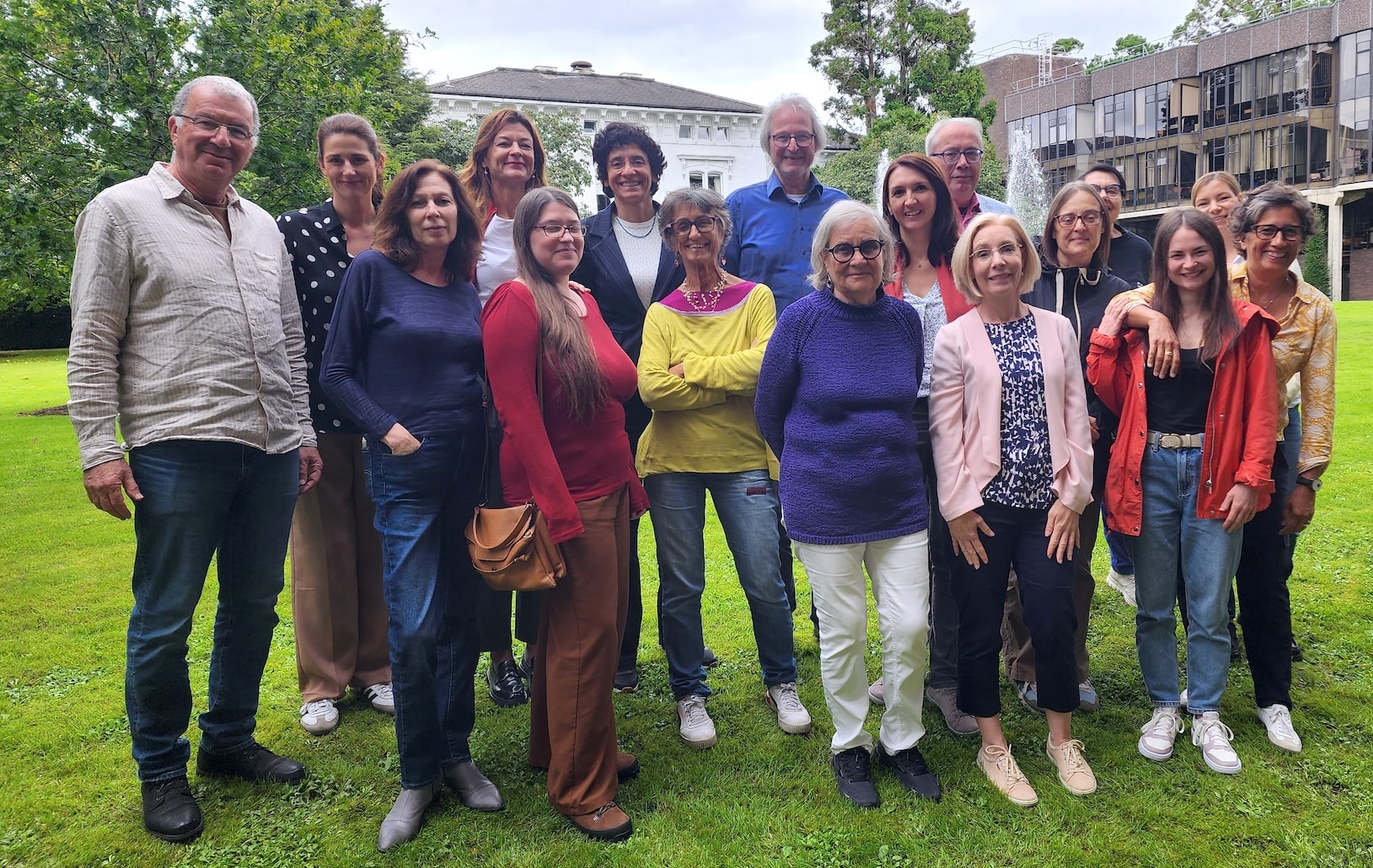
With the main aim to address the critical challenge of attracting and retaining minoritized groups in science and research, the GENERA‑COPA project has been selected as one of only 25 projects funded out of 124 proposals in the latest Erasmus+ call, receiving €400,000 to implement innovative activities that promote gender and diversity in math-intensive STEM fields. GENERA-COPA arose from collaboration within the GENERA Network and was officially kicked off during the General Assembly of this network held beginning of September 2025 at the University of Limerick (event details).

The project seeks to transform higher education curricula and institutional culture by integrating gender and diversity perspectives. By building university and research capacity and training local “critical friends” as trainers across Europe, the project ensures the sustainability of its initiatives and long-term transformation of educational practices. With this funding, GENERA‑COPA is poised to make a significant contribution to the European STEM landscape, promoting equality, diversity, and inclusion across higher education institutions.

The project focuses on the integration of a gender and diversity perspective in the math-intensive STEM fields, which has been suggested by L. Schiebinger (1999, Has Feminism changed Science, Cambridge, MA: Harvard Univ. Press.) as a major strategic approach to implement gender equality and diversity in addition to improving the number of women in STEM and the culture of research as it is performed in research institutions in STEM.

Increasing internationality, interdisciplinarity and working in larger and more diverse groups place new demands on young scientists. Within the project an introductory course will be developed, tested and implemented with the intention of preparing students and young scientists for these new requirements. This is not yet part of university education, however, urgently needed to perform research successfully and efficiently, contribute to a more inclusive higher education system and improve the job opportunities of young researchers.

The existing learning culture will be investigated and further develop with new approaches in inclusive teaching and learning, including universal design and STEAM education in the math-intensive STEM fields. Particular attention should be paid to how to best use online Learning Management Systems (LMS), Self Learning, and Train-the-Trainer methods.

Furthermore, the project will work in the direction of improving the direct support of master and PhD students in building up a successful career. In current institutional gender equality and diversity plans mentoring is one of the preferred measures to improve existing inequalities. Existing mentoring programs will be examined and methods developed to increase their effectiveness in terms of equality, diversity and inclusion. Innovative forms of mentoring will be developed and tested that couple mentoring with networking and active sponsoring to offer an early introduction to international cooperation in science that is difficult to convey through participation in courses.

The project targets internal audiences, including partners, staff, and associated collaborators. The primary external audience includes higher education teachers, early-stage STEM researchers, mentors and mentees, diversity and inclusion officers, and math field intensive departments and institutions. Secondary audiences comprise policymakers, science communication organizations, advocacy groups for women and minoritized groups in STEM, and the general public interested in equality and STEM.

Through these activities, GENERA‑COPA aims to support institutions in introducing gender and diversity perspectives into curricula, enhance their capacity for inclusive education, and embed trained trainers to sustain ongoing development. As part of the GENERA Network, the consortium brings together extensive expertise and experience in applying gender perspectives and promoting equality, diversity, and inclusion within math-intensive STEM disciplines.

The project involves multiple European universities and research institutions collaborating for 3 years to create a more inclusive and equitable learning environment; it is coordinated by the German research centre DESY, further partner organisations are the Italian National Institute for Astrophysics (INAF), the Italian National Institute for Nuclear Physics (INFN), Weizmann Institute of Science (Israel), University of Limerick (Ireland), University of L’Aquila (Italy), Vilnius University (Lithuania), University of Novi Sad (Serbia), University of Alcalá and University of Oviedo (both Spain), Lund University (Sweden), and the Swiss Physical Society.

For more information:
📌 Website: https://www.genera-copa.eu
📌 Contact: chiara.badia@inaf.it

Erasmus+ Blended Intensive Programme: Internet of Things and 3D Printing – III edition

The University of Novi Sad is organising the Erasmus+ Blended Intensive Programme (BIP) Internet of Things and 3D Printing, 3rd edition, within the project 2024-1-RS01-KA131-HED-000195876, in cooperation with the University of Porto and partner universities across Europe.

The programme consists of:

  • a virtual component: 13 April – 15 May 2026
  • a physical component in Novi Sad: 18–22 May 2026

The BIP is open to students from EU Member States and Erasmus+ associated countries who are interested in the Internet of Things (IoT) and 3D printing and who possess basic computer and/or programming skills, as well as to academic and administrative staff involved in teaching or supporting these fields.

During the programme, participants will gain theoretical and practical knowledge in IoT technologies (Arduino, ESP32, sensors, data processing and storage, cloud services), C++ programming, as well as 3D design and 3D printing, through laboratory work, workshops, and study visits.

The expected number of participants is 20–25 students, and the programme awards 3 ECTS credits.

The deadline for nomination of candidates by their home institutions is 30 January 2026.

For more information and nominations, please contact: IoT.bip@uns.ac.rs

Successful Erasmus + traineeship at the Faculty of Sciences

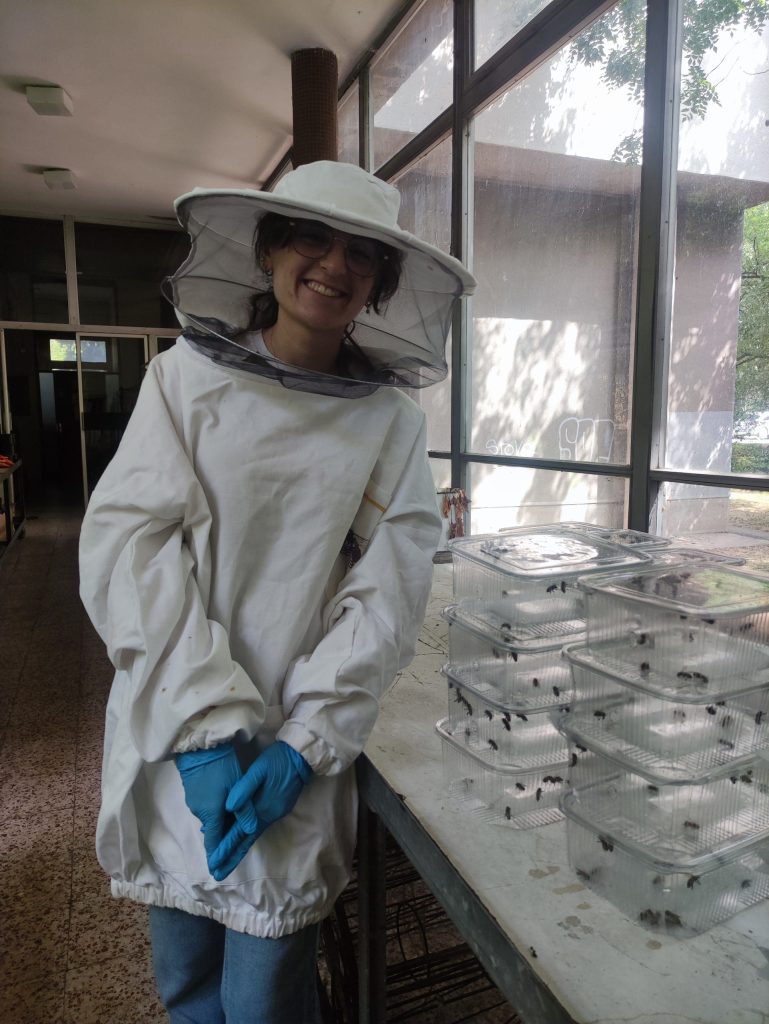
During the past few months, the Faculty of Sciences, University of Novi Sad, hosted an internship student from Turkey (İzmir Institute of Technology), Dilan İrem Açan. As part of the Erasmus+ program, she had the opportunity to engage in research activities and to further develop her knowledge and skills under the mentorship of Srđana Đorđievski, research associate at the Department of Biology and Ecology.

During her internship, Dilan worked on the topic “Exploring the environmental and biological factors influencing the health and longevity of honey bee”, gaining valuable experience in the field of biology and environmental protection, as well as in an international research environment.

“My time at the University of Novi Sad has been one of the most valuable experiences in my life. During my internship, I not only improved my scientific and laboratory skills but also learned the true value of teamwork, cultural exchange, and friendship. Living and working in such an inspiring environment helped me grow both as a researcher and as a person. I am truly grateful for this opportunity and for all the support I received. This experience will always remain a special part of my academic and personal journey.” – said Dilan.

The stay of international students within the Erasmus+ program is an important part of the international cooperation of our Faculty, and experiences like this confirm the significance of openness, exchange, and shared learning in international circles.

We wish our colleague Dilan much success in her future personal and academic endeavors.

Saying Farewell to researchers from the Polymer Science and Technology programme

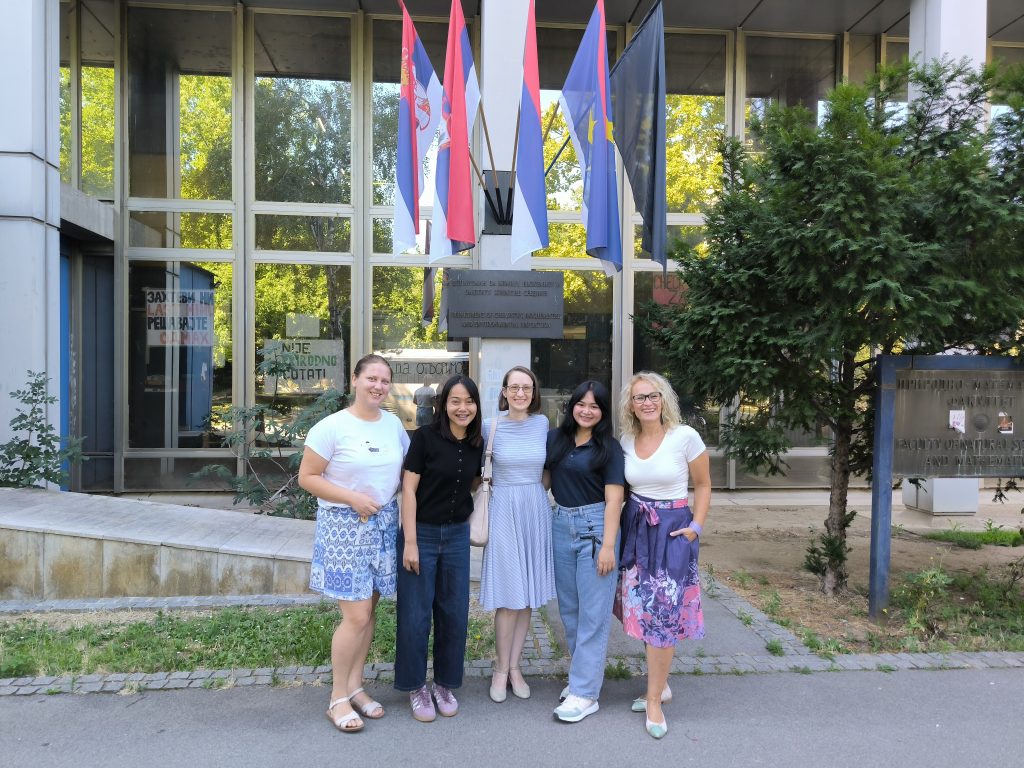
Faculty of Sciences at the University of Novi Sad, under the Memorandum of Understanding with Prince of Songkla University (PSU) of Thailand, hosted two doctoral researchers from the Polymer Science and Technology programme – Ms Kwansuda Kongthong and Ms Thitirat Rammak – from 26 March to 26 July 2025.

During their stay, the students conducted collaborative research in polymer science and technology at the Department of Chemistry, Biochemistry, and Environmental Protection, while also engaging in a vibrant cultural exchange.

They immersed themselves in Serbian language and traditions, sampled regional cuisine, visited several cities, and participated in community events – building lasting connections with local students and faculty.

Hospitality and expert support were provided by Associate Professor Dr Berta Barta Holló and the IRO Office.

We thank her for her dedication and look forward to future collaborative projects within our international cooperation framework.

How to make Science speak clearly and reach everyone – successful workshop within the TwinSubDyn Project

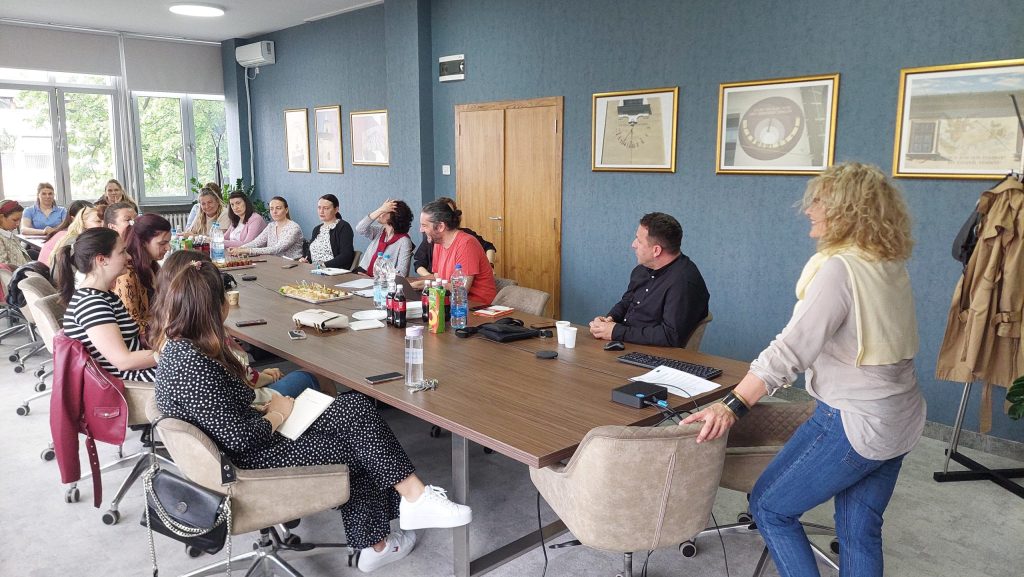
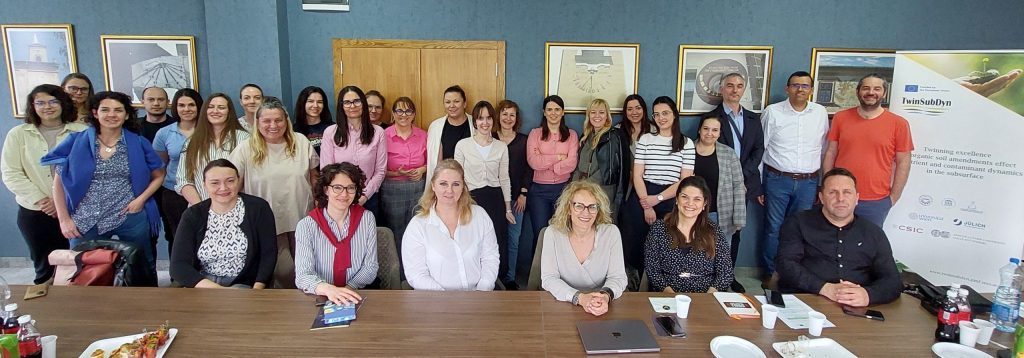
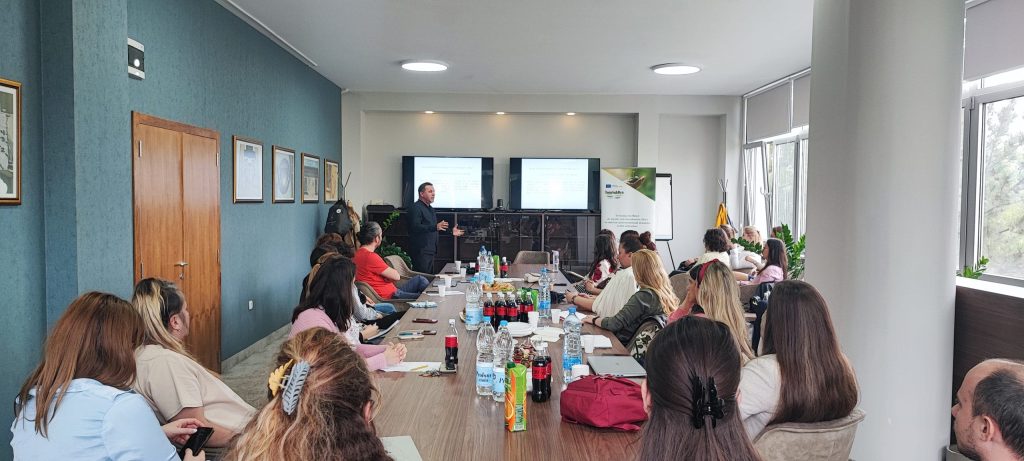
On Thursday, April 17, 2025, the Science Communication Workshop was held at the Faculty of Science, University of Novi Sad, as part of the TwinSubDyn project (Horizon Europe – Twinning Western Balkans), dedicated to developing science communication skills and promoting science to broader audiences.

The workshop was very well attended, which clearly indicates the growing interest among researchers and teaching staff in learning how to present their work to wider audiences – in clear, engaging, and socially relevant way.

Through interactive lectures and open discussions, participants gained practical insights and heard firsthand experiences from speakers who have been actively involved in various forms of science communication for years.

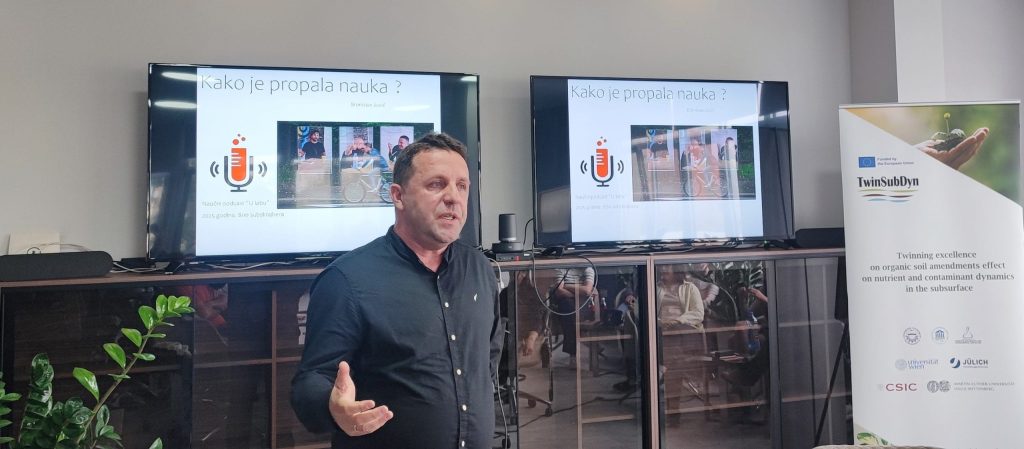
  • Dr Branislav Jović, Full Professor at the Faculty of Sciences, spoke about challenges faced by modern researchers from project deliverables and reporting obligations to media relations and building trust with decision-makers. His talk “How Has Science Failed?” sparked an engaging discussion on the current role and perception of science in society.
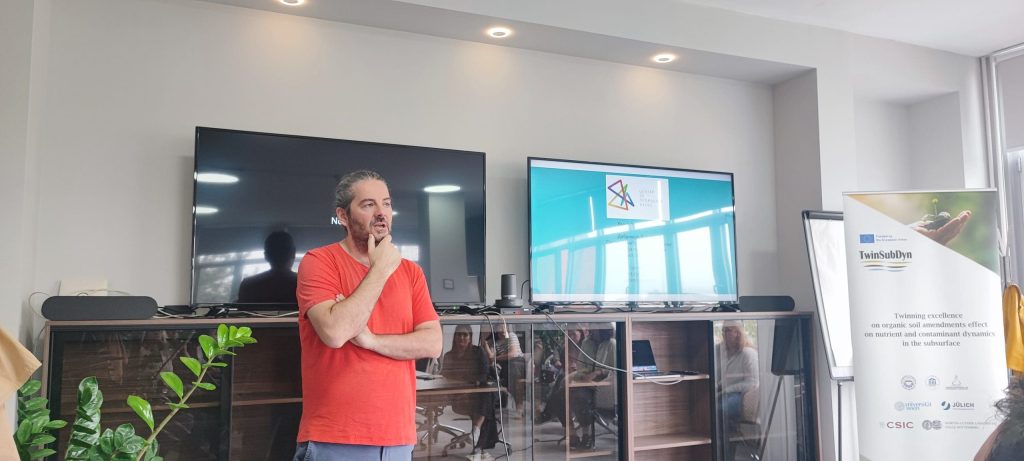
  • Dobrivoje Erić, Head of International Cooperation at the Center for the Promotion of Science, presented different approaches to involving the public in scientific processes in his lecture “How to Communicate Science to (Un)Desired Audiences?” emphasizing the importance of open, tailored communication strategies for different target groups.
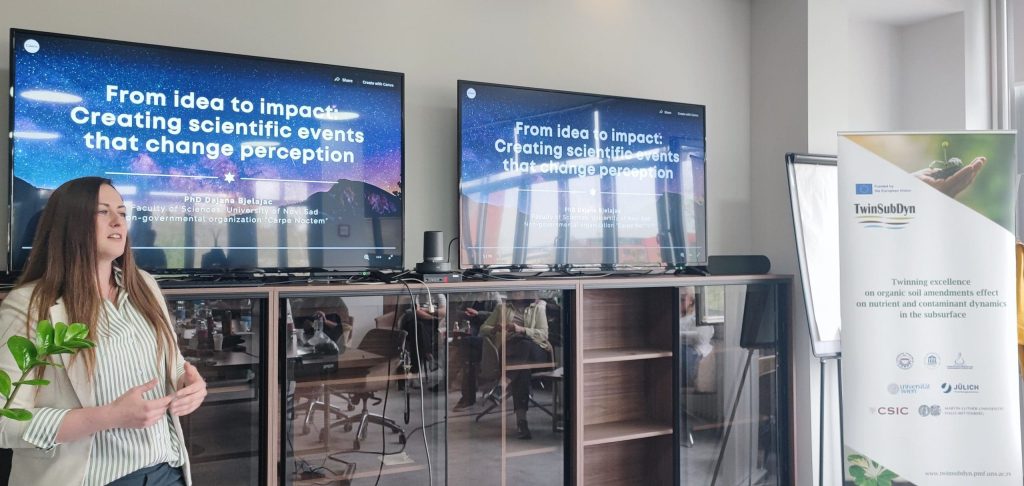
  • Dr Dajana Bjelajac, Assistant Professor at the Faculty of Sciences, through her talk “From Idea to Impact” and the story “Carpe Noctem“, demonstrated how scientific events can be transformed into immersive experiences that break down the barrier between science and the public – especially when addressing topics such as light pollution ant the natural night sky.

Over the course of three hours, participants explored how to make science more visible, inspiring, and accessible to those outside the academic world. The clear goal of the workshop was to empower participants to think creatively and to share their research in a way that people can understand, relate to, and want to follow.

The Science Communication Workshop confirmed the importance of science communication, not only as a skill but also as a responsibility of every researcher who wants to leave an impact beyond scientific journals.

Milana Čugalj named the best young chef of Serbia at the ‘Food Vision by Open Balkan’ competition

From November 22 to 24, as part of the ‘Wine Vision by Open Balkan’ festival, the second competition for young chefs was held – Food Vision by Open Balkan.

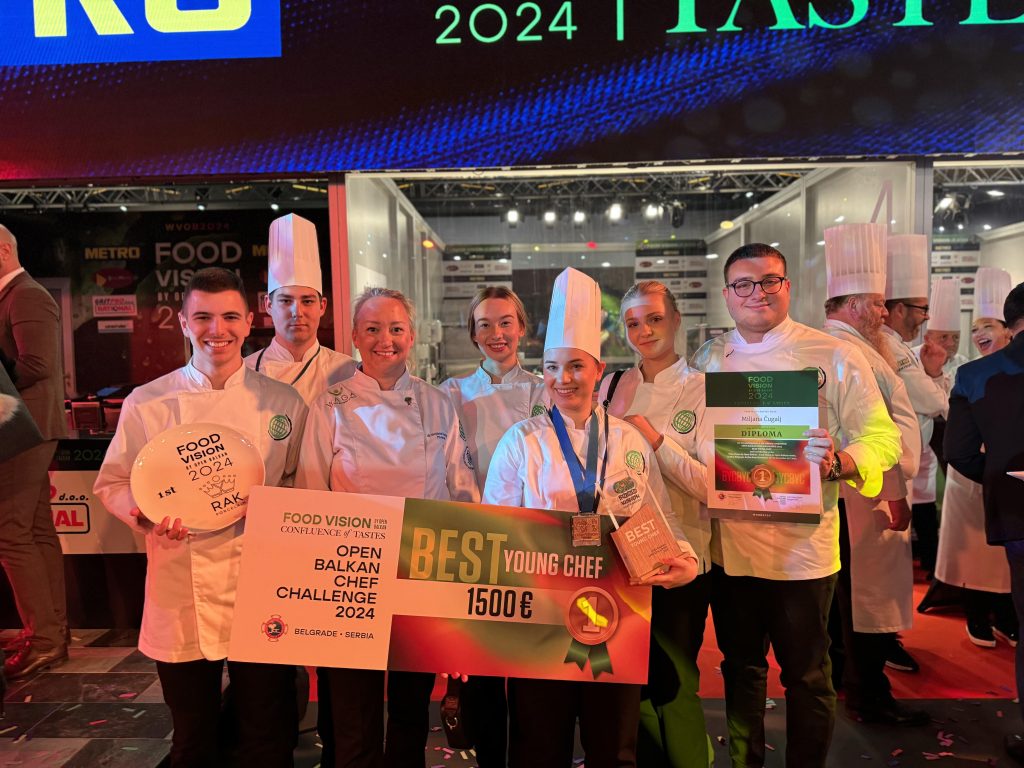
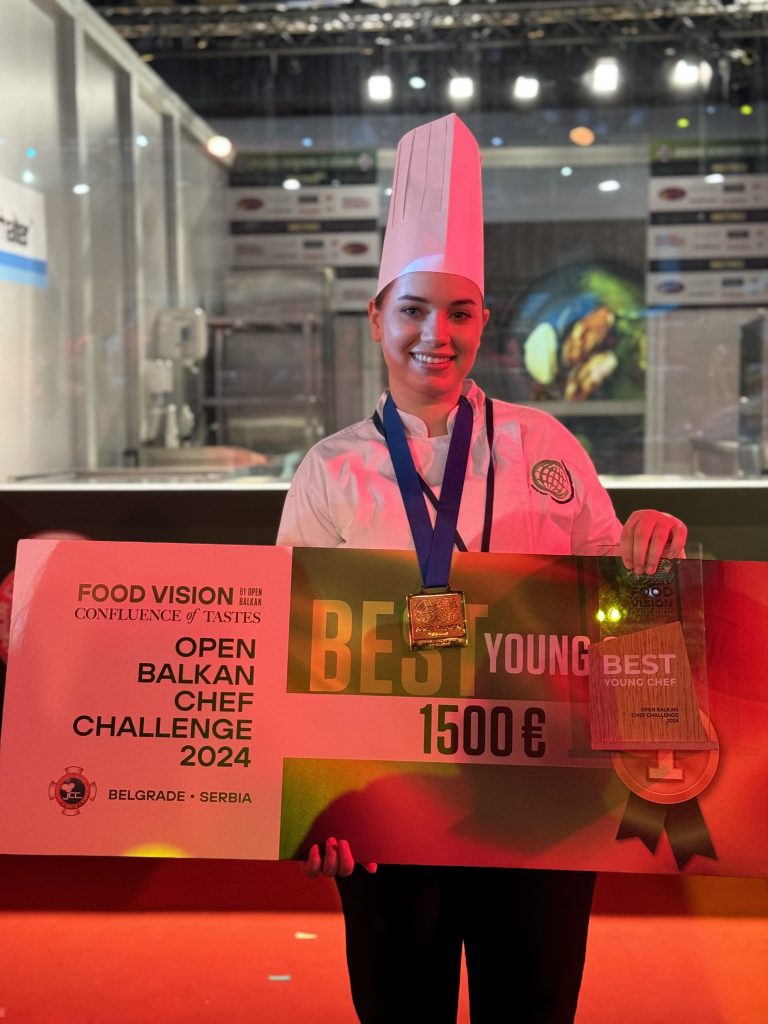
The top award, the title of the Best Young Chef, was won  by  Milana Čugalj , a PhD student of Gastronomy at the Department of Geography, Tourism and Hotel Management at the Faculty of Sciences, University of Novi Sad.

Milana Čugalj, with the support of her assistant, successfully competed with more than 30 young and talented chefs. In a challenging competition, her task was to prepare a traditional dish in a modern way, and she decided to prepare  lamb  chop. Through exceptional creativity and professional approach, Milana won a gold medal and the title of the best young chef.

In addition to Milana, the team from the Faculty of Sciences, University of Novi Sad consisted of three other students whose work, organization and final dishes, received numerous positive reactions from the eminent world committee of judges.

The preparations were conducted under the expert mentorship of Dr. Bojana Kalenjuk Pivarski, Goran Radivojević, Dr. Maja Paunić, as well as assistants Velibor Ivanović and Stefan Šmugović.

Congratulations to Milana Čugalj and her team on this remarkable achievement.

First three places for Serbia at the regional IT competition in Bucharest

At the   regional IT competition “ICPC SEERC 2024,”  teams from Serbia won   the first three places in the competition of 91 teams from 10 countries   and achieved the best success of our country so far, as well as a placement at the European and global level of the prestigious ICPC competition.

The 2024 Southeastern European Regional Contest was held   from 16 to 17 November in Bucharest, Romania for competitors from Albania, Bulgaria, Cyprus, Greece, North Macedonia, Moldova, Romania, Türkiye, Ukraine, and Serbia.

The competition consisted of 13 tasks that had to be solved in five hours.

Students from the University of Novi Sad (Team Infinity – Tadija Šebez, Nikola Pešić, Viktor Lučić) won the first place,  the second place was taken by the students of the Faculty of Computer Science of the Union University, and the third place by the students at the University of Belgrade.

All three teams have qualified for the European level of the competition, which will take place from February 28 to March 2 next year in Portugal.

The teams of the University of Novi Sad and the Faculty of Computer Science of Union University have directly qualified for the world level of the prestigious competition, which will most likely be held in China.

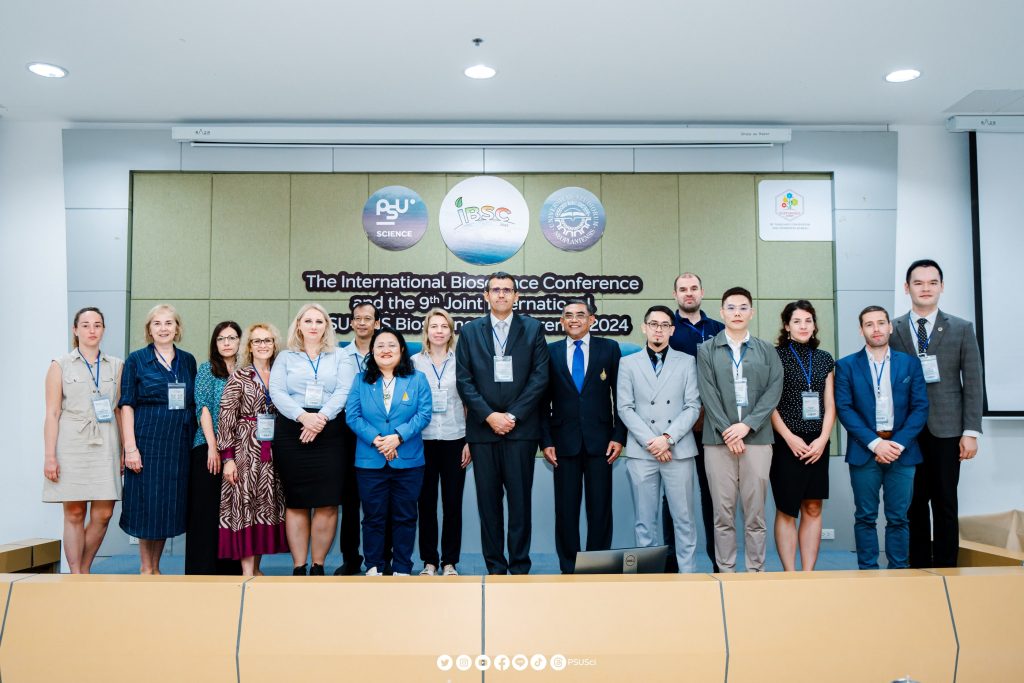
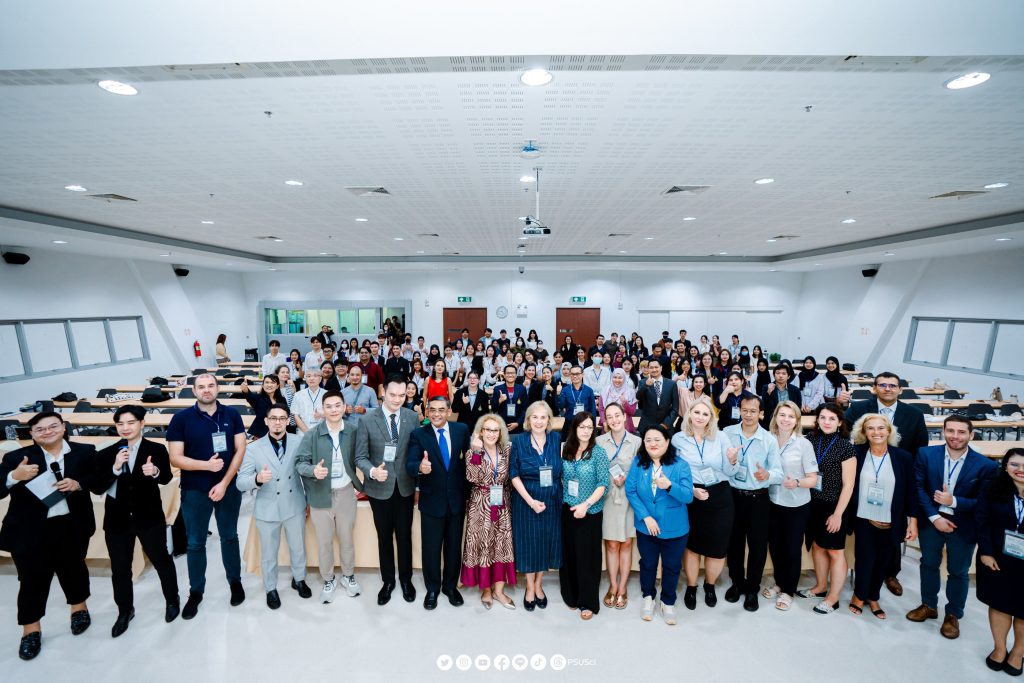
International Bioscience Conference – IBSC2024 held in Hat Yai, Thailand

The International Bioscience Conference (IBSC2024), the result of longstanding collaboration between Prince of Songkla University (PSU) and the University of Novi Sad (UNS), took place on October 28-29, 2024, in Hat Yai, Thailand, marking the ninth edition of this international event.

This year’s host, the Faculty of Science at Prince of Songkla University, organized the event in line with principles of sustainable and eco-friendly event management. The conference theme, “Bio4: Expanding the Horizon”, focused on fostering knowledge exchange and deepening international cooperation through sessions promoting innovation and contemporary trends in biosciences.

On the second day of the conference, particular emphasis was placed on presenting the international programs Horizon Europe and Erasmus+, as well as successful projects within these initiatives. Panel discussions were also held, covering topics such as scientific development and excellence, global challenges, and technology transfer.

IBSC2024 provided participants with a valuable opportunity to exchange the latest scientific insights and ideas, as well as to enhance collaboration between partner universities. In a friendly and collegial atmosphere, PSU warmly welcomed a delegation of 10 faculty members from the University of Novi Sad.

We eagerly anticipate the next IBSC conference, which will take place in Novi Sad in two years, and look forward to welcoming our Thai colleagues.

Our Scientists Among the Top 2% of the Most Cited Researchers in the World Again

A new review of the top 2% most cited researchers globally, published by Stanford University (the so-called Stanford list), has been released. Faculty of Sciences professors ranked on the list for lifetime achievements are Prof. Emeritus Dr. Neda Mimica-Dukić and Prof. Dr Dušan Jakovetić, while those listed for achievements in 2023 are Prof. Emeritus Dr. Neda Mimica-Dukić, Prof. Dr Dušan Jakovetić, Assist. Prof. Dr. Stevan Armaković , Assist. Prof. Dr Sanja Armaković, and Prof. Dr Ante Vujić.

The database on which the top 2% list is based includes standardized data on citations, the h-index, adjusted hm-index by co-authorship, citations by different authorship positions, and a composite index.

 
Све уплате на садашњи рачун Факултета могу се извршити закључно са понедељком, 29.12.2025. године, до 17:00 часова. За уплате извршене након тог термина, постоји могућност да неће бити евидентиране, а евентуални повраћај средстава тада неће бити могућ. Због увођења Система за припрему, извршење, рачуноводство и извештавање (СПИРИ), почетком јануара 2026. године биће отворени нови рачуни преко којих ће се вршити уплате. Сва обавештења биће објављена на овој страници и на друштвеним мрежама, и биће послата кроз платформу Moodle свим студентима.